Apple filed a major lawsuit against OpenAI accusing the company of stealing trade secrets through three former Apple employees who joined OpenAI's hardware division.
The timing is particularly damaging: OpenAI is preparing to go public, faces investor pressure to become profitable, and is planning to release a hardware device in 2027 after spending nearly $6.5 billion(約1兆円) to buy designer Jony Ive's hardware startup, io.
Legal experts say Apple is a tenacious litigator unlikely to back down, and the case is expected to be drawn out and costly.
What happened
Apple filed a lawsuit in Northern California federal court accusing OpenAI of stealing Apple trade secrets through three former Apple employees — Tang Tan (former VP of Apple Watch), Chang Liu (former systems electrical engineer for iPhone), and Yu-Ting "Alyssa" Peng — who moved to OpenAI. The 41-page complaint alleges that Tan requested job candidates to bring Apple hardware outside the office for interviews and coached Apple employees on avoiding offboarding security procedures.
Why it matters
OpenAI is preparing to go public after confidentially filing a Form S-1 with the SEC last month and is facing investor pressure to turn a profit. The lawsuit arrives as the company gears up to release a hardware device in 2027 after paying nearly $6.5 billion(約1兆円) to acquire Jony Ive's hardware startup, io. Apple is a historically formidable litigant that rarely backs down, and the timing threatens to complicate OpenAI's IPO momentum and hardware ambitions.
What to watch
Apple implied in its filing that significantly more former Apple employees may have left for OpenAI with key information, stating "this is the tip of the iceberg … At every level, from members of its Technical Staff to its Chief Hardware Officer, and in coordination with business partners, OpenAI has been stealing Apple's trade secrets and confidential information." Legal experts expect the case to be contentious and potentially span years.
Ask the AI about this article →
OpenAI's legal troubles have multiplied throughout the year, but Apple's lawsuit represents a particularly high-stakes challenge because it targets the company's hardware ambitions at a critical moment. OpenAI has confidentially filed a Form S-1 with the SEC for a public offering and is under investor pressure to turn a profit. The hardware initiative, funded by OpenAI's nearly $6.5 billion(約1兆円) acquisition of Jony Ive's startup io, is central to the company's strategy to diversify beyond software — an area where it allegedly struggles relative to Apple's decades of expertise. The lawsuit directly threatens this path: Apple is known as a determined and stubborn litigant, and experts expect the case to stretch over years through discovery and potential appeals.
The broader context reveals that trade secret lawsuits are rampant in the AI industry, with Scale AI, xAI, and Tesla all pursuing similar cases against competitors or employees who left for rivals. What makes Apple's lawsuit noteworthy to legal observers is not the novelty of the allegations themselves — hiring-stage extraction, interview solicitation, and internal collusion are, as one cybersecurity researcher noted, "run-of-the-mill in terms of insider threats" — but rather that a major company like Apple is pursuing all of them together against another major player. The irony is not lost on legal experts that an AI industry built on consuming vast amounts of data aggressively polices when that information moves between companies. Still, the industry has historical precedent: pre-generative AI tech spent decades in similar disputes, from Google's book-scanning project to YouTube's early piracy enablement.
For example, today's edition would include:
AI-summarized, only the topics you pick — one digest a day via Email, Slack, or Discord.
Free · takes 30 seconds · unsubscribe anytimeWhat is AIToday? →
Ask AI anything about this article. Q&As are published on this page for other readers too.
Visko raised $10 million in pre-seed funding from Llama Ventures and opened public access to its first foundat…
U.S. markets ended August higher, with the S&P 500 up 2.6% and the Nasdaq up 3.9%
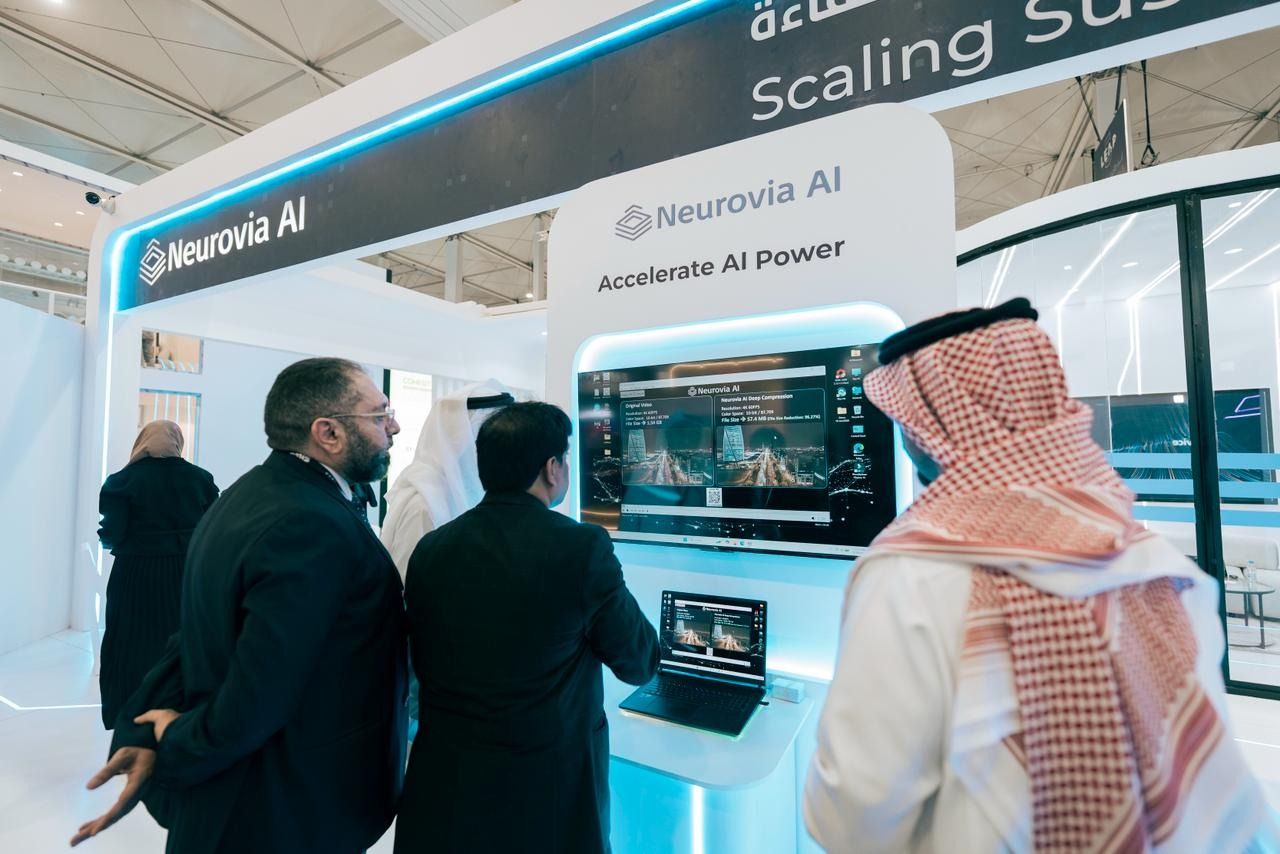
Neurovia AI, an Abu Dhabi-based company, is pitching Saudi security agencies software that it says can compres…
AI company Runway has unveiled Solaris, the first model in a new category it calls "Interface World Models." I…

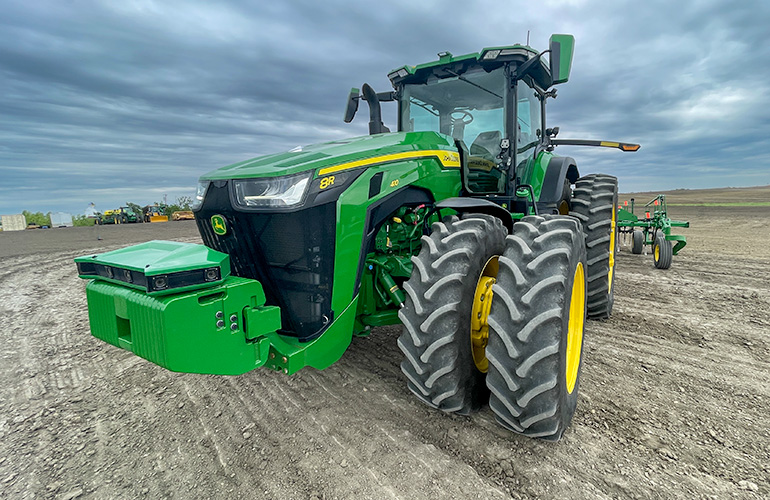
John Deere introduced JD, a conversational AI tool that lets farmers ask open-ended questions about their hist…
Nvidia CEO Jensen Huang said on Fox Business that AI is creating 'hundreds of thousands' of jobs, including in…