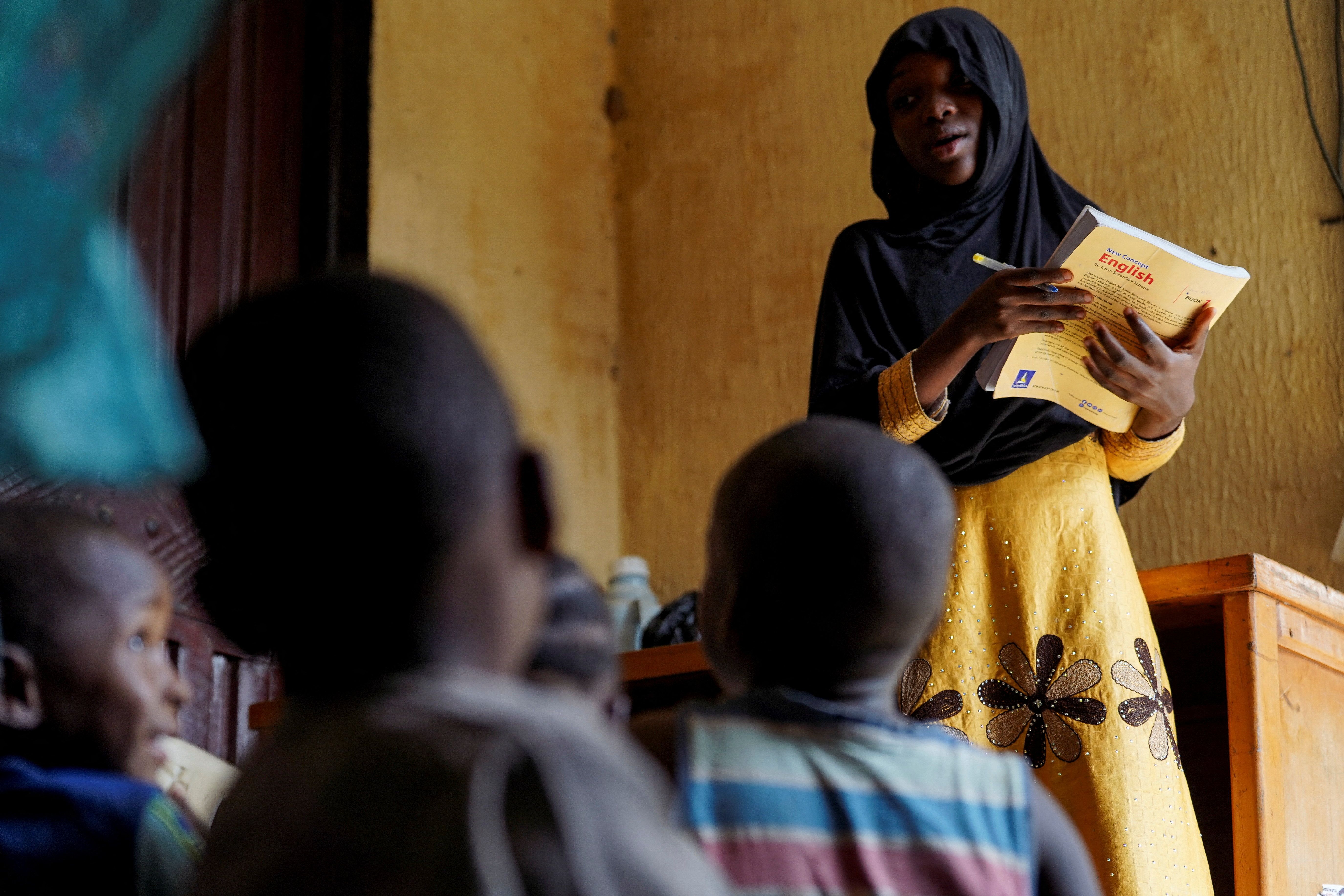
Nigerian President Bola Tinubu has announced a $550 million(約880億円) education fund aimed at strengthening the country's education system, particularly in STEM subjects. The initiative responds to education being a major constraint on Nigeria's development; although African countries have expanded school enrollment, achievement levels remain well below those of wealthier nations. Experts argue that improving STEM education is critical if African countries are to achieve their industrialization goals and leverage their young population for economic growth.
Summaries like this, in your inbox every morning.
Sign up free →What happened
Nigerian President Bola Tinubu announced a $550 million(約880億円) fund designed to improve the country's education system, with a focus on STEM subjects.
Why it matters
Education remains a major constraint on Nigeria's development. Although Africa has increased school enrollment, achievement levels lag far behind wealthier nations—a gap that experts say must close if African countries are to meet their industrialization goals. The UN Office of the Special Adviser on Africa argues that building a generation of tech-skilled workers and technicians is essential for Africa to convert its youth population into an engine for industrial growth and global competitiveness.
What to watch
The fund's implementation and whether it successfully raises STEM education outcomes across Nigeria's school system.
Nigerian President Bola Tinubu announced a $550 million(約880億円) fund intended to improve the country's education system, focusing on strengthening outcomes in STEM subjects. Education remains a major constraint on Nigeria's development. While African countries, including Nigeria, have made significant strides in increasing school enrollment—the number of years people spend in school—achievement levels remain substantially below those of wealthier nations.
Experts argue that closing this education gap is not optional for African countries with industrialization ambitions. According to a report from the UN Office of the Special Adviser on Africa, the path forward hinges on building human capital in technology and technical fields. The report states: "By cultivating a new generation of tech-savvy entrepreneurs and skilled technicians, Africa can transform its youth dividend … into a powerful engine for industrialization and global competitiveness." The implication is direct: without a workforce educated and trained in STEM, African nations cannot realize their development potential, regardless of other policy reforms.
Nigeria's education system has long been a drag on the country's development potential. While Africa as a whole has made major progress in enrolling more students in school, the quality and outcomes of that education—particularly in science, technology, engineering, and mathematics—remain far below the standards of wealthier nations. This gap is not merely an academic concern: it directly constrains the country's ability to industrialize and compete globally.
The UN Office of the Special Adviser on Africa frames the challenge clearly: Africa has a demographic advantage in its young population, but unlocking that advantage requires turning schooling into genuine skill-building. Without tech-literate entrepreneurs and trained technicians, the continent cannot translate demographic opportunity into economic transformation. Tinubu's $550 million(約880億円) commitment signals recognition that education, and STEM in particular, is foundational to Nigeria's broader development agenda.
AI-summarized, only the topics you pick — one digest a day via Email, Slack, or Discord.
Free · takes 30 seconds · unsubscribe anytime
No discussion yet for this article
Get curated AI news from 200+ sources delivered daily to your inbox. Free to use.
Get Started FreeFree · takes 30 seconds · unsubscribe anytime
1 minute a day. The AI essentials.
200+ sources · Email / LINE / Slack
