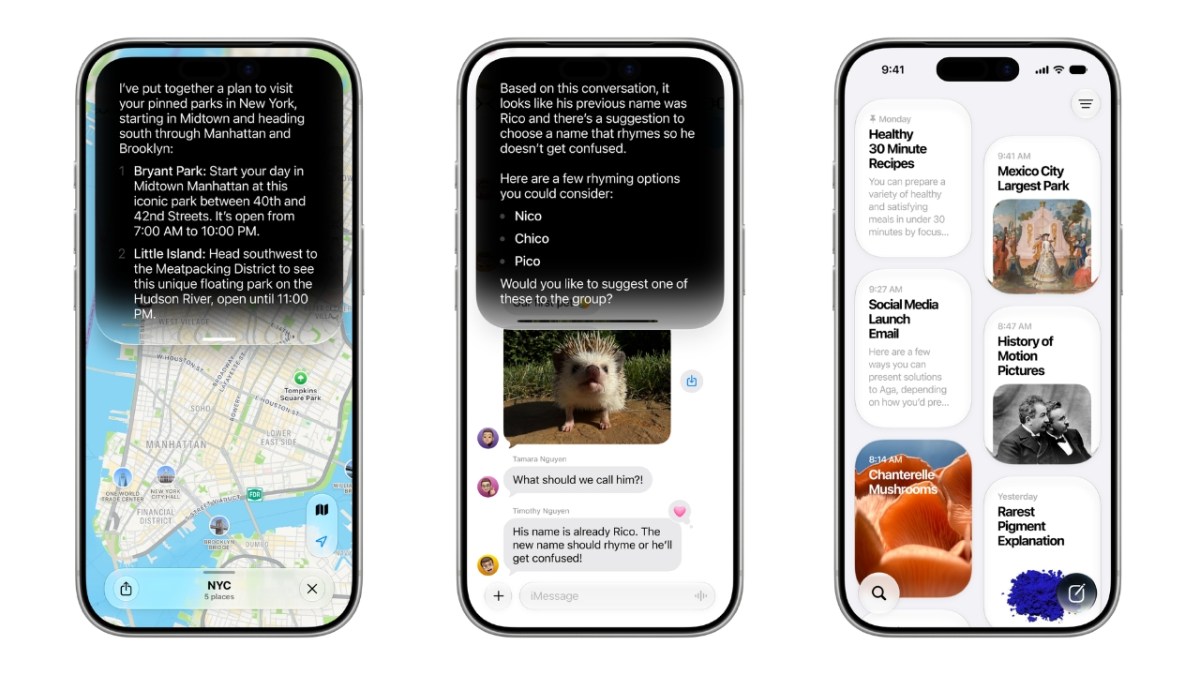
Apple has opened its redesigned AI-powered Siri assistant to the public through the iOS 27 beta, marking the first widespread release beyond developers.
The overhauled Siri can access personal device data, search the web, and integrate with apps across all Apple products.
With 2.5 billion active devices worldwide, even partial adoption in the beta represents Apple's largest test of its answer to competitors like ChatGPT and Gemini.
What happened
Apple released iOS 27 public beta on Tuesday, making its overhauled AI-powered Siri widely available to everyday users for the first time beyond developers. The new Siri can access device information like emails, photos, and messages; respond to what's on screen; integrate with Spotlight search; and be accessed via a new stand-alone app, side button, or by swiping down from Dynamic Island.
Why it matters
With some 2.5 billion active devices worldwide, even a fraction of public beta users will represent Apple's largest test of its AI assistant redesign—a direct competitor to ChatGPT, Gemini, and Claude. The deeper integration across iPhone, iPad, Mac, Apple Watch, CarPlay, AirPods, Apple TV, and Vision Pro means Siri is becoming harder to ignore in daily use, especially since it does not require opening an app.
What to watch
The public beta runs until iOS 27's expected launch in September. In early developer testing, Siri handled basic tasks like finding photos, summarizing texts, and adding calendar appointments, but occasionally threw errors or misunderstood queries. Caution is advised for users who need their device to run perfectly smoothly; stability is generally better this year.
Ask the AI about this article →
Apple's Siri overhaul, officially announced at the Worldwide Developers Conference in June, represents a fundamental shift in how the company's voice assistant works. The move from a largely command-based tool to a conversational AI system that can understand context—reading what is on screen, accessing personal data, grounding answers in world knowledge—positions Siri as a genuine competitor to modern AI chatbots. The decision to release a public beta first, before the fall launch, reflects confidence in the maturity of the technology and the desire to gather real-world feedback at scale.
Underlying this shift is Apple's Apple Intelligence framework and Foundation Models, which the company built specifically for Apple Silicon using proprietary data and a distilled version of Google's Gemini. This technical choice—distilling rather than rebranding—suggests Apple prioritized efficiency and on-device capability. The integration of Private Cloud Compute further addresses a key user concern: personal data remains private and inaccessible to Apple itself. Early testing showed mixed results: the assistant excelled at practical tasks like photo retrieval and calendar management but occasionally misunderstood queries or threw errors, a baseline most new AI tools show during beta.
For example, today's edition would include:
AI-summarized, only the topics you pick — one digest a day via Email, Slack, or Discord.
Free · takes 30 seconds · unsubscribe anytimeWhat is AIToday? →
Ask AI anything about this article. Q&As are published on this page for other readers too.

