What happened
The AI music generator Suno was hacked via a supply chain attack that exposed source code showing the platform allegedly scraped decades of audio from YouTube Music, Deezer, Genius, stock music libraries, and podcast RSS feeds to train its model. The hacker also obtained customer data including emails, phone numbers, and partial credit card numbers. Suno says the November 2025 breach was a 'limited security incident that was quickly contained' and did not notify customers at the time.
Why it matters
Suno has claimed it trains on 'publicly available music files' under fair use doctrine, but major record labels suing the company argue the scraping violates the Digital Millennium Copyright Act (DMCA) and YouTube's terms of service. The leaked source code may strengthen copyright infringement claims against Suno and expose the gap between the company's public defense and its actual training practices. Competitor Udio faces the same YouTube scraping allegations.
What to watch
The hack occurred in November 2025 but was not disclosed to customers at the time. The leaked source code details could significantly impact Suno's ongoing legal battles with record labels over copyright infringement.
Summaries like this, in your inbox every morning.
Suno's public defense rests on the claim that it trains on 'publicly available music files' and that such use falls under the fair use doctrine. However, the hacked source code appears to document a more deliberate and systematic approach to data acquisition from specific platforms — YouTube Music, Deezer, Genius, stock music libraries, and podcast RSS feeds — that contradicts the company's characterization. Record labels suing Suno have argued that circumventing YouTube's scraping protections violates the Digital Millennium Copyright Act; the leaked code may provide direct evidence of that circumvention. The breach also places Suno in the broader context of copyright disputes facing AI companies. Competitor Udio has faced identical YouTube scraping accusations, and even Google (YouTube's parent) faces copyright claims from book publishers over alleged scraping of copyrighted text. This pattern suggests that the tension between AI training practices and copyright protection is not unique to music but represents a systemic challenge across the industry.
Pick your industry and the AI tools you use, and get news related to your work every day.
Free · 30 seconds with Google · unsubscribe anytimeWhat is AIToday? →
Ask AI anything about this article. The AI reads this article, earlier AIToday articles, and Wikipedia, and cites its sources. Q&As are published on this page for other readers too.
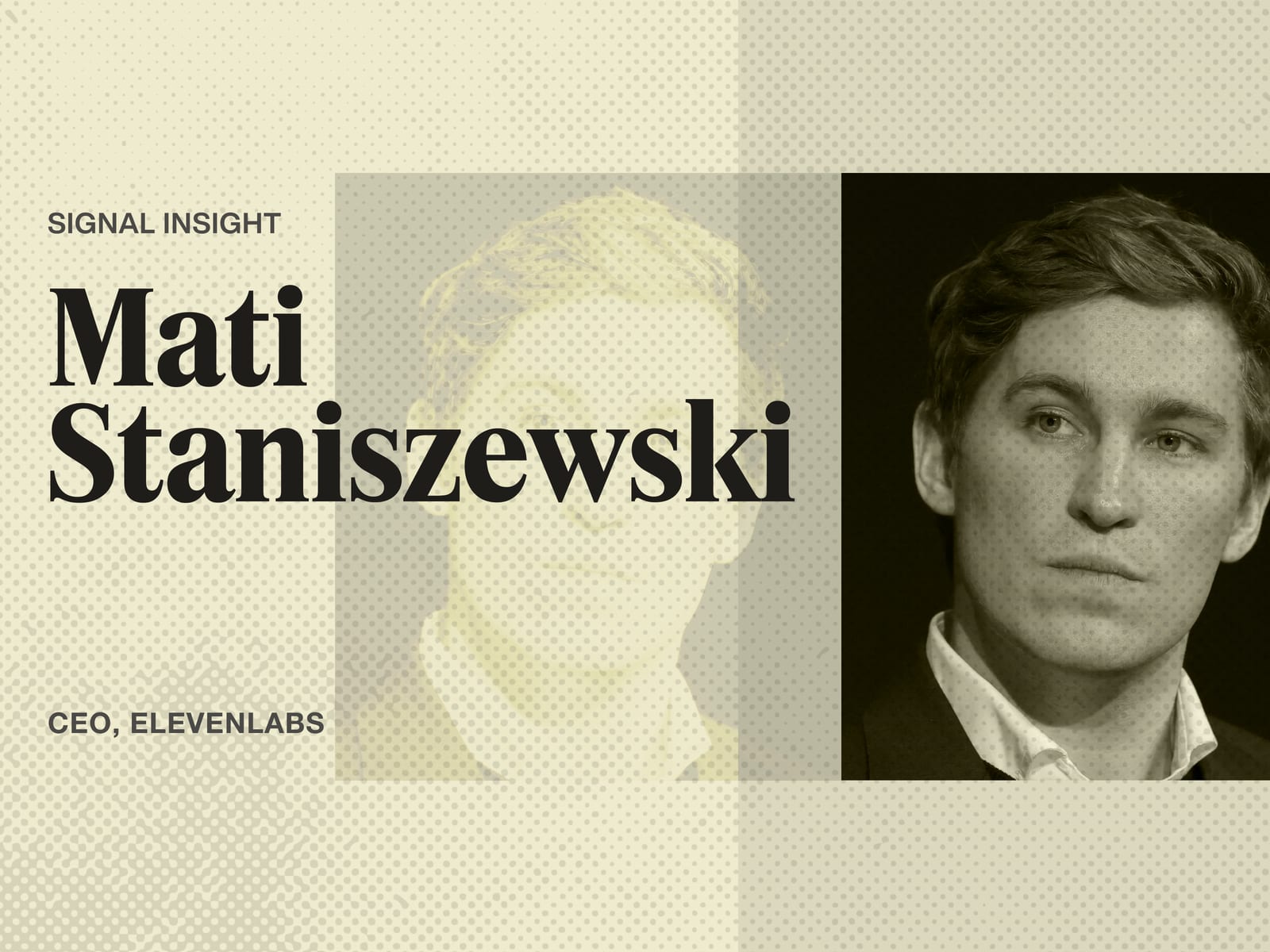
ElevenLabs completed a $300 million employee tender at a $22 billion valuation, and co-founder Mati Staniszews…
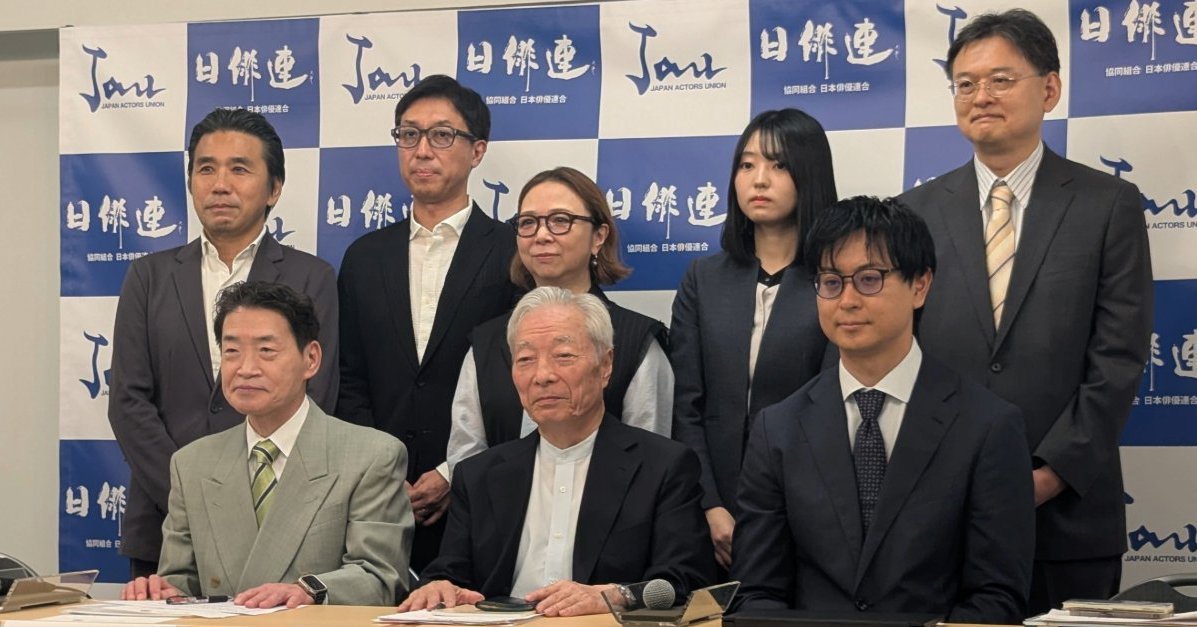
Nichiren announced its generative AI voice usage guideline on October 15, built on three pillars: prior notice…
A walkthrough shows Irodori-TTS, an open Japanese-only TTS model by Aratako, running on Databricks Model Servi…
A solo developer built Yurune, a web app that plays synthesized rain, wave and forest sounds and lets users ta…

The developer benchmarked Moonshine Voice's Japanese "Small Streaming" model against faster-whisper's small mo…

The Japan Actors Union adopted a generative AI guideline for voice on October 15, requiring prior consent from…