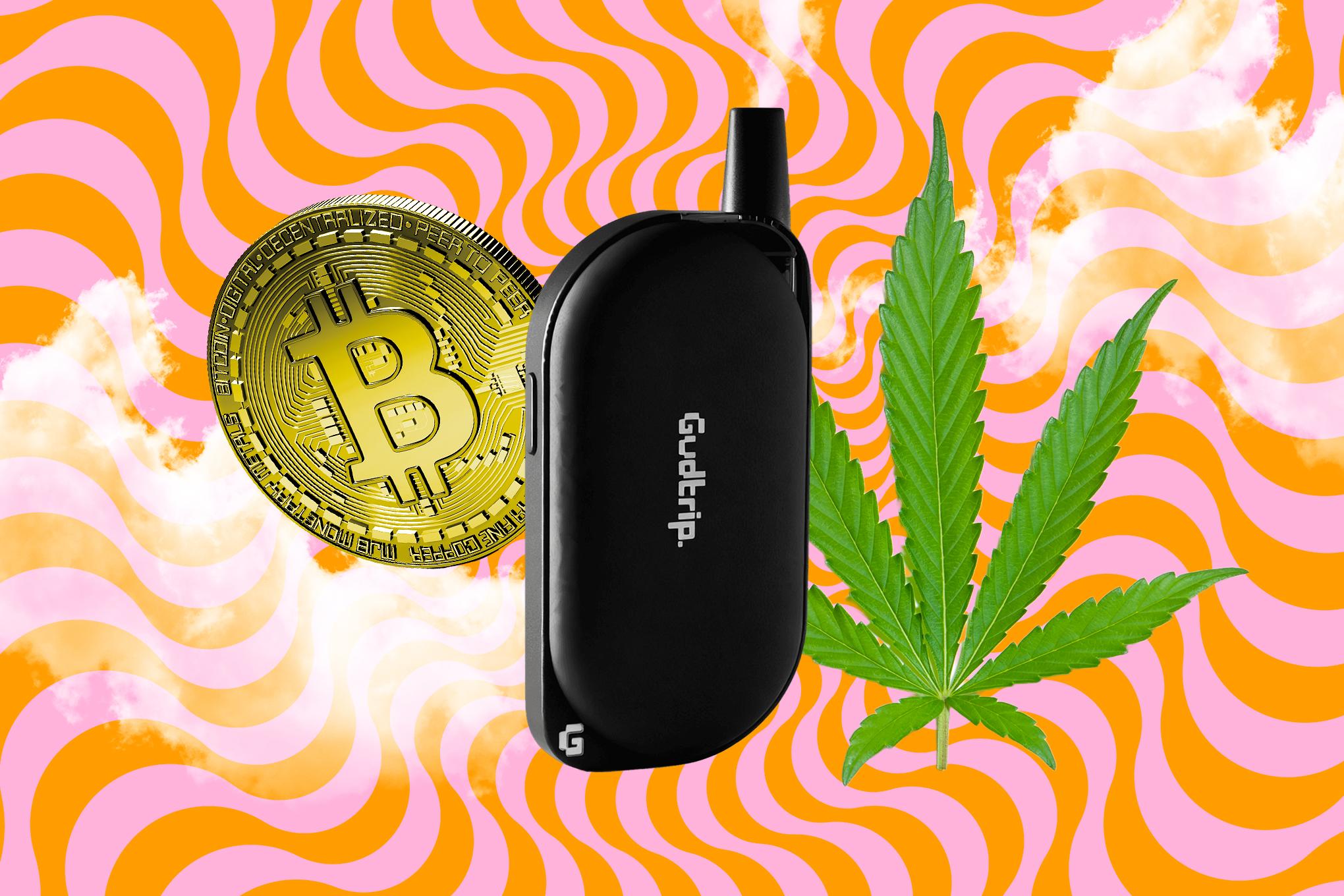
Gudtrip, presented as 'the first agentic cannabis device' by maker Puffpaw, launched quietly in March and is available in California dispensaries for $67 after tax, but the company's marketing across X, Threads, and TikTok promised Bitcoin rewards 'from every single puff' — claims the company later disavowed as illegal.
When asked how the vape works, Gudtrip's CTO stated that 'it is actually illegal to offer financial incentives per consumption type' and clarified that Bitcoin rewards are 'paid upfront on activation' at a flat $2–$60 equivalent per device, not tied to actual use, while a separate in-app points system called Gudtrip Points is non-monetary and not redeemable for cash or cryptocurrency.
Testing revealed that the vape awarded only the initial $2 Bitcoin on activation; no additional Bitcoin was dispersed during use, and the app's screenshot showing per-puff points was described as a 'legacy feature' no longer provided, and the 'agentic AI' portfolio management tool mentioned on the website does not yet exist.
Summaries like this, every morning.
Pick your industry and the AI tools you use, and get news related to your work every day.
Free · 30 seconds with Google · unsubscribe anytimeWhat is AIToday? →
Ask AI anything about this article. The AI reads this article, earlier AIToday articles, and Wikipedia, and cites its sources. Q&As are published on this page for other readers too.

