Summaries like this, in your inbox every morning.
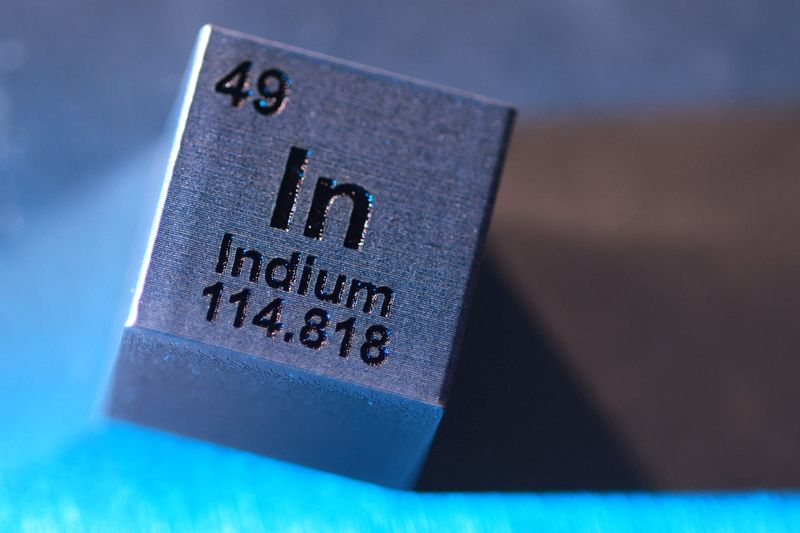
Sign up free →What happened: China produces nearly 70% of the world's indium and has increased customs checks on overseas buyers this year. A European buyer was asked for the first time to disclose end-user information, while a North American buyer reported approval times stretched from same-day to several days. Indium phosphide, a derivative used in high-speed optical chips for AI data centers, was placed on China's export control list in February 2025.
Why it matters: Indium metal itself is not yet on the export control list, but the growing scrutiny suggests China may be using end-user disclosure requirements to map global supply chains before tightening controls—a tactic other countries with export control regimes employ. The concern is significant because the material feeds into next-generation data center infrastructure, and the Nvidia-backed chipmaker Coherent deemed the issue serious enough to bring to President Donald Trump's attention during a May visit to Beijing.
What to watch: The U.S. Defense Logistics Agency released a request for proposals to stockpile up to 403 tons of indium over three years, signaling official concern about supply vulnerability. So far, no shipments have been identified as blocked, but industry participants suspect the current reporting requirements are a precursor to outright export restrictions or bans.
No discussion yet for this article
Get curated AI news from 200+ sources delivered daily to your inbox. Free to use.
Get Started FreeFree · takes 30 seconds · unsubscribe anytime
5 minutes a day. The AI essentials.
200+ sources · Email / LINE / Slack
