China's AI industry is moving away from competing on the size of AI models toward building the infrastructure needed to actually deploy and sell AI systems.
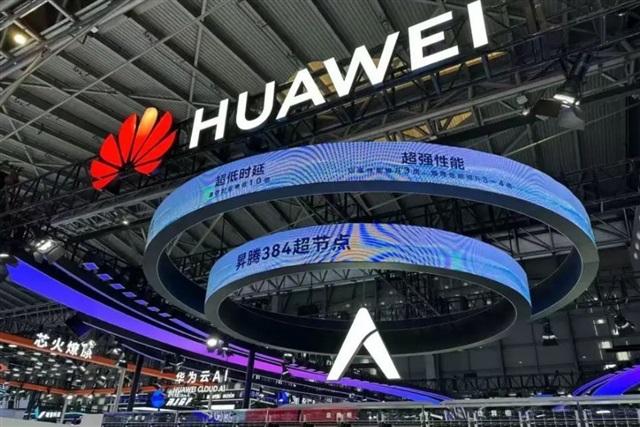
At WAIC 2026, the conversation centered on supernodes (clusters of processors), fast data connections between machines, and efficient computing.
This shift matters because it signals a more practical, long-term approach to AI than just chasing bigger models, and suggests Chinese companies are preparing to compete on deployment and cost-efficiency rather than scale alone.
What happened
At WAIC 2026, China's AI industry is prioritizing infrastructure—supernodes, high-speed interconnects, and computing efficiency—rather than competing on raw model scale.
Why it matters
The shift reflects a maturing AI sector that recognizes real-world deployment and commercialization require robust, efficient infrastructure. This focus may position Chinese companies to sustain long-term AI deployment despite potential constraints on raw compute scale.
What to watch
The emphasis on domestic chip development and computing efficiency suggests China is seeking alternatives to offset external competition in AI hardware and model capabilities.
Ask the AI about this article →
China's AI sector is undergoing a strategic reorientation at WAIC 2026, moving from the race to develop increasingly large language models toward the unglamorous but essential work of building the systems infrastructure that makes AI practical. Rather than benchmarking success primarily on model size and raw training compute, the industry is now emphasizing supernodes (densely interconnected processor clusters), high-speed interconnects that let machines communicate efficiently, and overall computing efficiency. This signals a shift from theoretical capability to operational deployment—the transition from research to production. By focusing on infrastructure and domestic chip development, Chinese companies appear to be preparing for a long-term competition based on cost, reliability, and practical implementation rather than on head-to-head competition for the largest models.
For example, today's edition would include:
AI-summarized, only the topics you pick — one digest a day via Email, Slack, or Discord.
Free · takes 30 seconds · unsubscribe anytimeWhat is AIToday? →
Ask AI anything about this article. Q&As are published on this page for other readers too.
Visko raised $10 million in pre-seed funding from Llama Ventures and opened public access to its first foundat…

U.S. markets ended August higher, with the S&P 500 up 2.6% and the Nasdaq up 3.9%

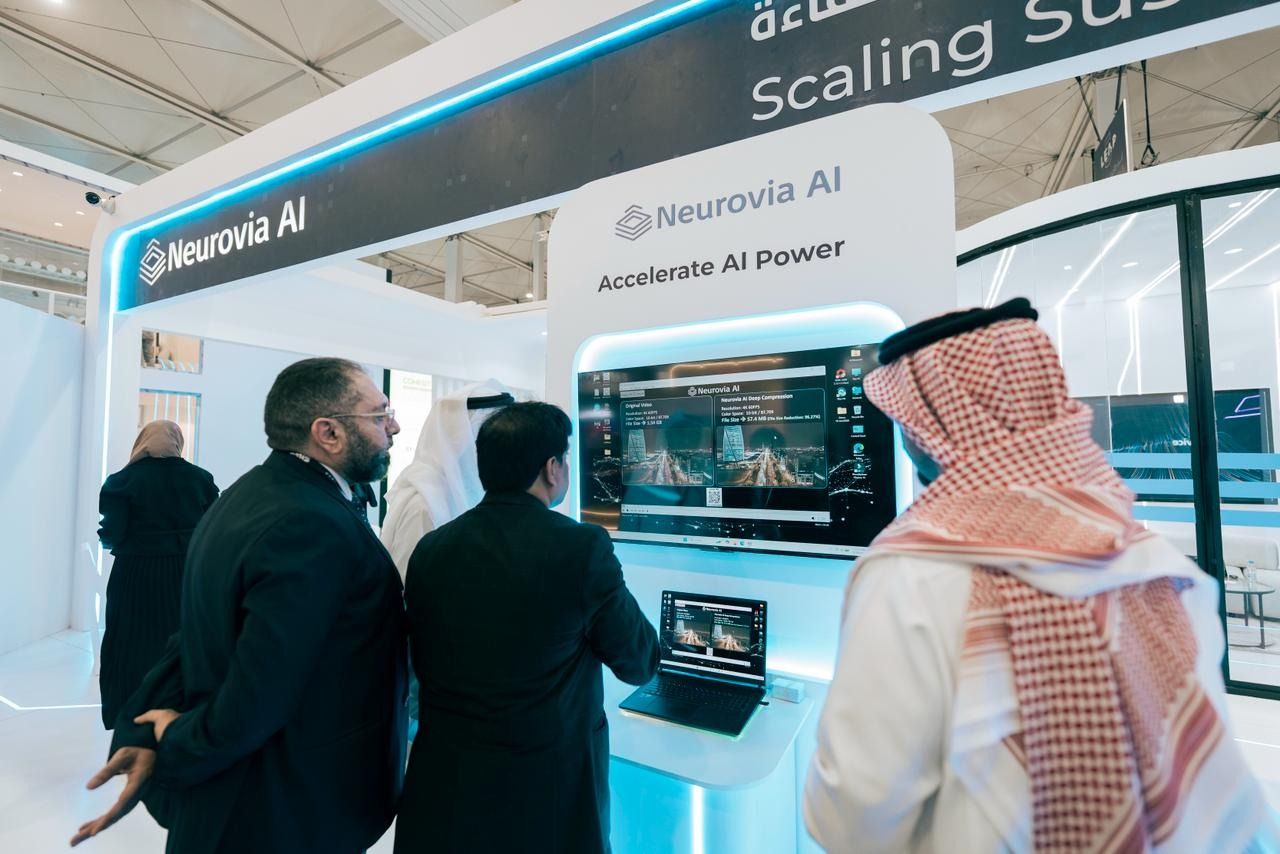
Neurovia AI, an Abu Dhabi-based company, is pitching Saudi security agencies software that it says can compres…
AI company Runway has unveiled Solaris, the first model in a new category it calls "Interface World Models." I…

John Deere introduced JD, a conversational AI tool that lets farmers ask open-ended questions about their hist…
Nvidia CEO Jensen Huang said on Fox Business that AI is creating 'hundreds of thousands' of jobs, including in…