What happened
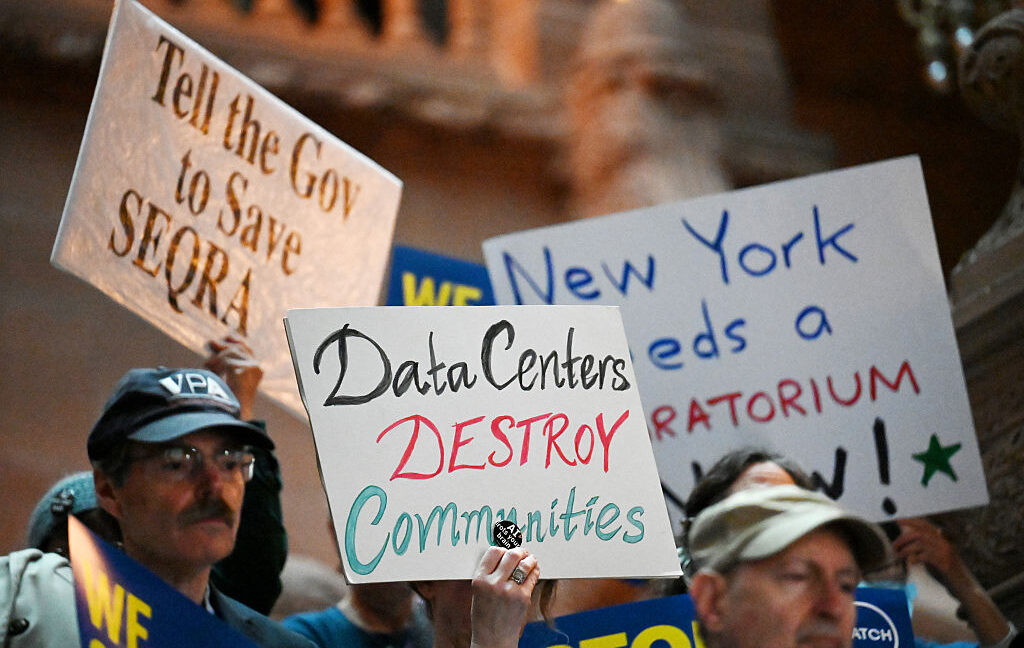
New York Governor Hochul announced a one-year moratorium on data center construction. She also signaled plans to repeal sales tax exemptions for data centers, which the state previously used to attract AI industry investment.
Why it matters
Data centers consume enormous amounts of electricity, and Hochul cited concerns that they would hike utility bills, deplete natural resources, and create uncertainty for residents. New York's electricity prices are already among the highest in the US. The move is viewed as a striking setback for AI companies that politicians once courted for investment.
What to watch
The moratorium may inspire similar restrictions in other states. Maine's governor previously vetoed a statewide construction ban, citing concerns that the legislation didn't exempt a favored project already underway. Hochul has also moved to require data centers to pay their "fair share" for energy grid updates, or supply their own energy.
Summaries like this, in your inbox every morning.
New York's one-year moratorium on data center construction represents a dramatic reversal in state policy toward the AI industry. Until recently, states including New York offered tax giveaways and other incentives to attract data center investment, viewing AI companies as sources of economic growth and job creation. Hochul's move reflects growing constituent concern about the real costs of rapid AI infrastructure expansion—specifically, the strain on electricity grids and utility bills in a state where power is already expensive. The governor's office has emphasized that the state is "not anti-AI" but rather seeking to establish "the strongest standards in the nation" for responsible development. This framing matters because it suggests the moratorium is not permanent hostility but rather a pause to create new regulatory frameworks that protect residents while allowing growth. Hochul's signals that old voluntary commitments from AI firms are no longer sufficient indicate that future deals will require higher financial contributions from companies to offset public costs. The fact that Maine's governor vetoed a similar statewide ban earlier, citing exemptions for an existing project, shows that other states are also grappling with the same tension—and that comprehensive bans may face legal or political hurdles where projects are already in progress.
Pick your industry and the AI tools you use, and get news related to your work every day.
Free · 30 seconds with Google · unsubscribe anytimeWhat is AIToday? →
Ask AI anything about this article. The AI reads this article, earlier AIToday articles, and Wikipedia, and cites its sources. Q&As are published on this page for other readers too.

