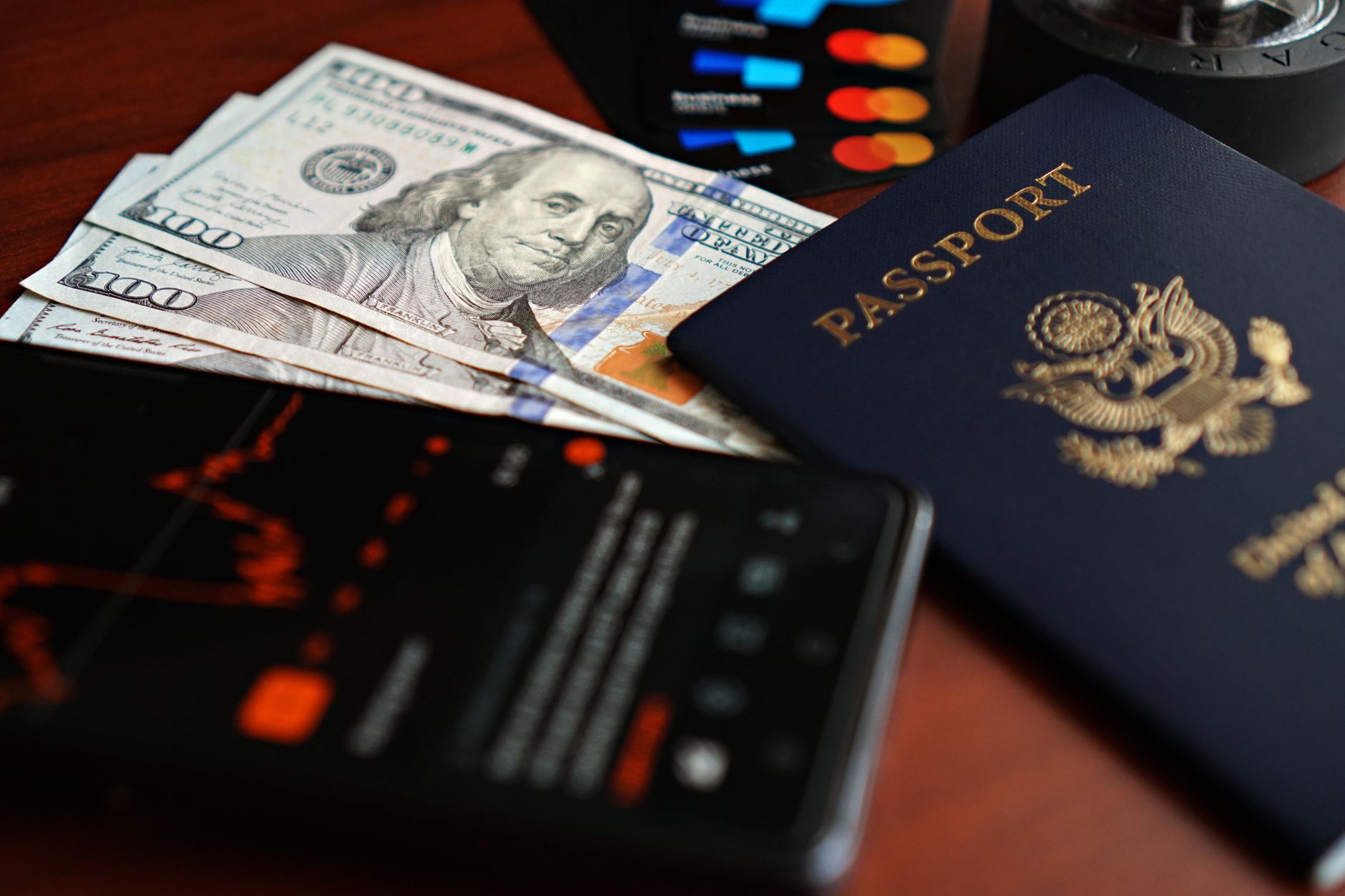
Goldman Sachs warns that AI could displace around 300 million full-time jobs worldwide, with advanced economies facing the greatest disruption.
While the bank acknowledges significant near-term job losses, it contends that past technological shifts have ultimately created new employment and raised prosperity—suggesting the long-term outcome depends on how well economies manage the transition.
What happened
Goldman Sachs released a report estimating that artificial intelligence could displace approximately 300 million full-time jobs globally, with advanced economies hit hardest—the U.S. and Europe facing the largest impact.
Why it matters
While job displacement is significant, Goldman Sachs argues that historically, technological revolutions have created new roles and raised living standards; the bank emphasizes that productivity gains from AI adoption could offset losses. However, the transition period poses real risk for workers in roles vulnerable to automation—a challenge policymakers and businesses will need to manage.
What to watch
The report signals that financial institutions view AI's labor impact as substantial enough to warrant serious policy and business attention. Whether companies and governments implement retraining programs or social safety measures to smooth the transition will shape how this disruption unfolds.
Ask the AI about this article →
Goldman Sachs' report places the bank squarely in the camp of technologists and economists who view AI as a transformative but ultimately net-positive force for employment and prosperity—while not dismissing the genuine disruption workers will face in the near term. The focus on advanced economies experiencing the largest impact reflects the uneven geographic exposure to automation: wealthier nations with higher wage labor and more capital investment in AI adoption tend to see the fastest displacement, while the ability to retrain and shift to higher-value work also concentrates there. The bank's historical framing—pointing to past technological cycles as precedent—is a deliberate counterweight to alarmism, yet it implicitly places the burden on institutions to manage the transition. Without explicit policy recommendations in the framing provided, Goldman Sachs is sending a signal to investors and policymakers that AI's labor impact is real and material, not speculative.
For example, today's edition would include:
AI-summarized, only the topics you pick — one digest a day via Email, Slack, or Discord.
Free · takes 30 seconds · unsubscribe anytimeWhat is AIToday? →
Ask AI anything about this article. Q&As are published on this page for other readers too.
BHP, the world's largest mining company by market capitalization, has deployed AI across its operations

Team Liquid announced a new five-year extension of its long-running collaboration with Dell Technologies' Alie…

A University of Mississippi study published in Journal of Interactive Advertising found that AI ads succeed wh…

Goldman Sachs Research says AI supply and demand won't balance until the first half of 2028
Lam Research broke ground yesterday on a new lab in Tualatin, Oregon

Visa, Mastercard, and Fiserv joined the Agentic Payments Alliance (APA), a 26-company coalition led by stablec…