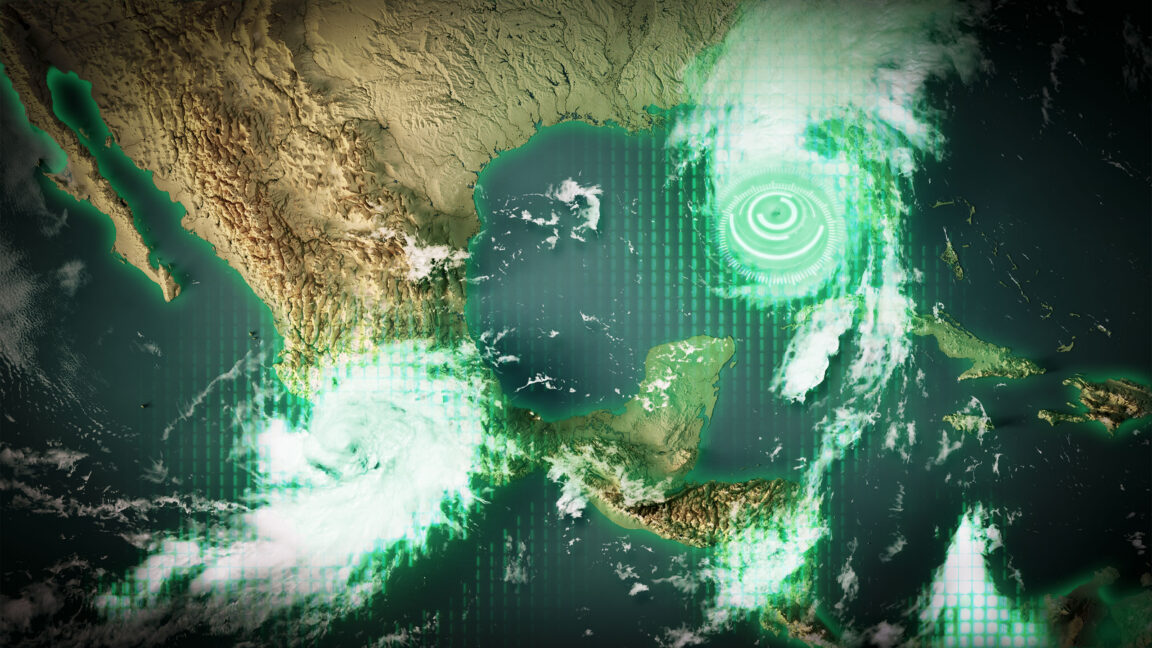
The European Centre for Medium-Range Weather Forecasts (ECMWF) put its first machine-learning-based model, called AIFS, into service in February 2025, running it alongside its long-standing Integrated Forecasting System (IFS) model.
AIFS uses machine learning (algorithms that identify patterns in data) trained on reanalysis datasets—weather observations combined into physically consistent pictures. Unlike traditional models that solve physics equations, AIFS distills spatial patterns from past weather snapshots, enabling forecasts to run in about 3 minutes versus 30 minutes for IFS, using about 1,000 times less energy per run.
Machine-learning weather models can fail at predicting extreme weather conditions that were absent or underrepresented in their training data, a limitation shared with other AI systems that cannot identify patterns they were not shown during training.
Summaries like this, in your inbox every morning.
Pick your industry and the AI tools you use, and get news related to your work every day.
Free · 30 seconds with Google · unsubscribe anytimeWhat is AIToday? →
Ask AI anything about this article. The AI reads this article, earlier AIToday articles, and Wikipedia, and cites its sources. Q&As are published on this page for other readers too.

