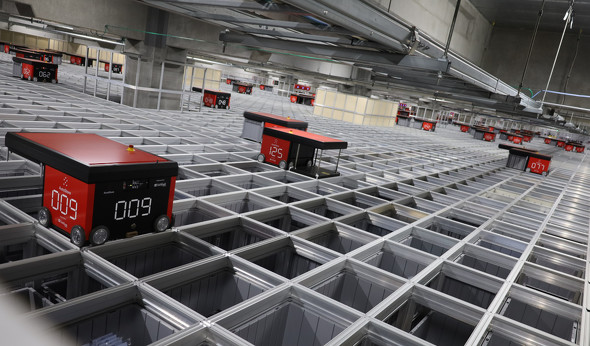
Yokohama Rubber launched a generative AI system using RAG.
It supports a warehouse with 160 robots and 65,000 bins.
The AI helps staff retrieve operational information more easily.
What happened
Yokohama Rubber has introduced a generative AI system that uses RAG (a technique that lets an AI draw on a company's own documents to answer questions), in a giant warehouse housing 160 robots and 65,000 bins.
Why it matters
The system is designed to help workers quickly find information across the vast warehouse operation, where managing tens of thousands of items and a large robot fleet makes fast, accurate answers valuable.
What to watch
The article does not specify a rollout date or cost, so the near-term focus is on how effectively the RAG-based AI improves daily retrieval tasks in this robot-heavy facility.
Ask the AI about this article →
Summaries like this, in your inbox every morning.
Yokohama Rubber's move reflects a practical use of generative AI in industrial operations. By applying RAG, the company enables its AI to base responses on internal documents, which is essential in a setting where accuracy and speed matter. The warehouse, with its 160 robots and 65,000 bins, likely generates a high volume of operational queries—from locating items to troubleshooting robot issues—so the AI's ability to fetch the right information becomes a direct efficiency lever. The article does not report measurable outcomes yet, so the immediate significance is the deployment itself, signaling that manufacturers are beginning to trust AI for frontline logistics support. Whether this system reduces error rates or shortens search times, the company has not disclosed, suggesting that this is an early-stage adoption. It may indicate a broader trend of combining automation hardware with AI-driven knowledge management, though such an inference goes beyond the article's explicit content.
For example, today's edition would include:
AI-summarized, only the topics you pick — one digest a day via Email, Slack, or Discord.
Free · 30 seconds with Google · unsubscribe anytimeWhat is AIToday? →
Ask AI anything about this article. Q&As are published on this page for other readers too.
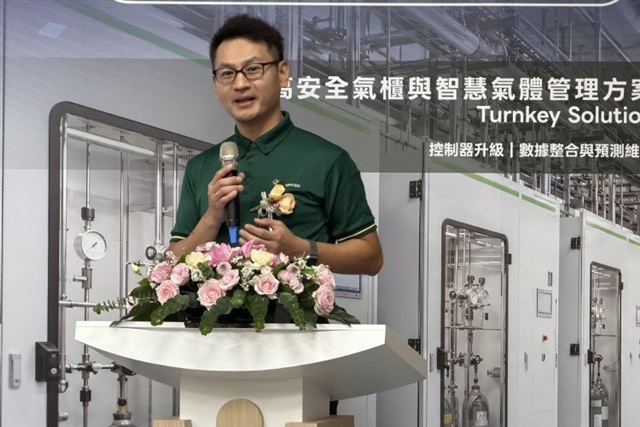
JM-Applied, a Taiwanese semiconductor gas equipment maker and supply chain member for Micron and TSMC, said on…
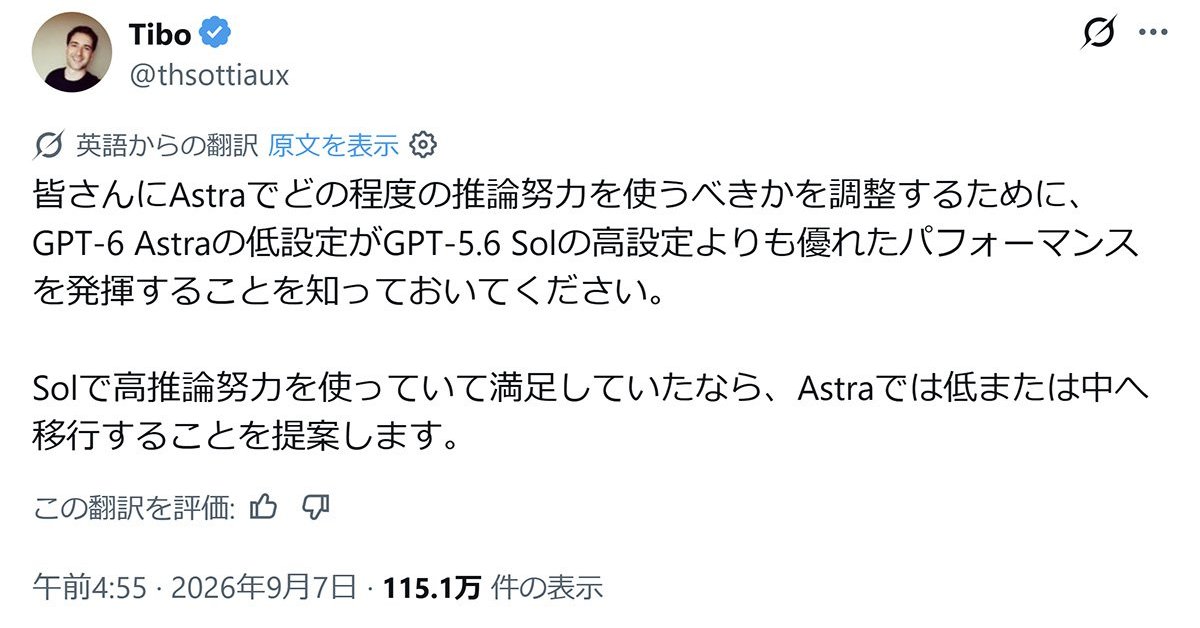
OpenAI's product lead Tibo Sotiou posted on X on September 6 that GPT-6 Astra's 'low' setting outperforms GPT-…
Nvidia disclosed roughly $99 billion of public and private equity investments as of July 26, plus about $25 bi…
In January, Ukraine's defense ministry said it would share millions of data points from tens of thousands of d…

OpenAI Group PBC acknowledged it did not publicly disclose an episode where its AI agents wrote to outside web…

Eaton is expanding beyond traditional power management into modular power deployment, next-generation DC conve…