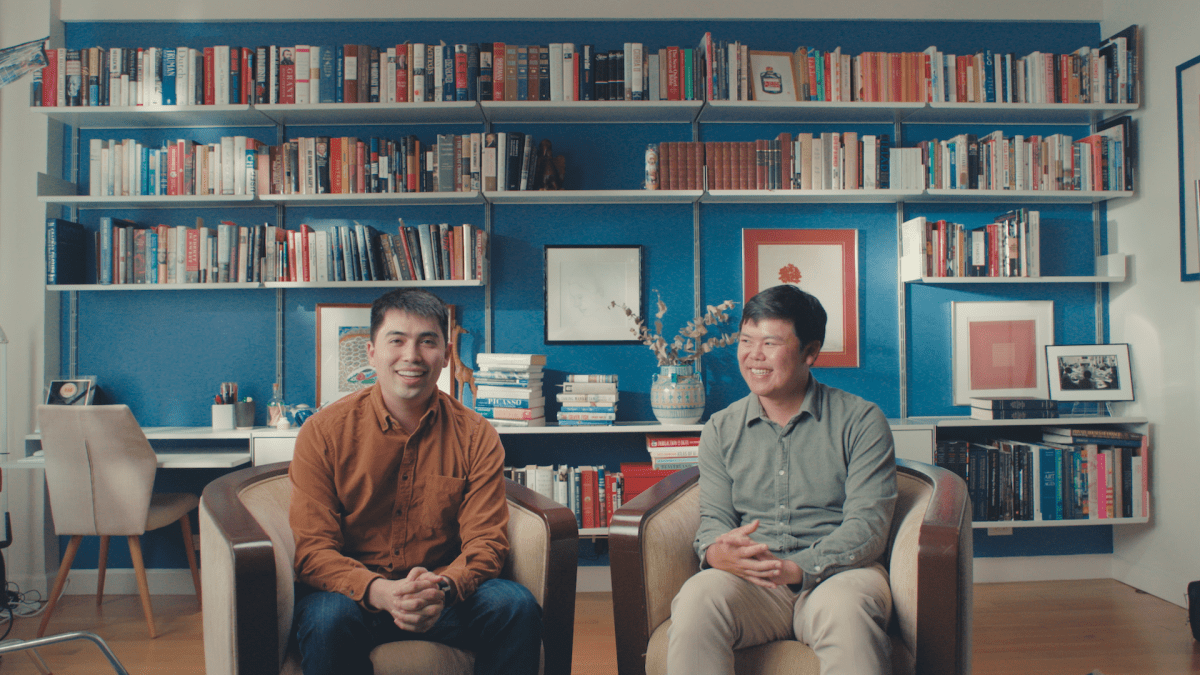
Pangram, an AI detection startup founded by Stanford graduates Max Spero and Bradley Emi, has raised $9 million(約14億円) to expand its tools for distinguishing human-written content from AI-generated text and images. The company has launched Pangram 4, claiming over 99% accuracy in detecting AI-assisted writing, and Pangram Image for detecting synthetic images—both responding to rising demand from courts, publishers, and academic institutions facing an influx of AI-generated content. The startup's detection model learns stylistic differences in AI output rather than relying on metadata or watermarks, and is already integrated into platforms like Substack to help readers identify AI-written newsletters.
Summaries like this, in your inbox every morning.
Sign up free →What happened
New York-based AI detection startup Pangram raised $9 million(約14億円) led by Menlo Ventures, alongside the launch of Pangram 4 (a text detection model claiming over 99% accuracy at finding AI-assisted writing and mixed human-AI content) and Pangram Image (an AI image detector currently in research preview, with wider release planned in the coming weeks).
Why it matters
As AI-generated content spreads across the internet—including in courtrooms, academic papers, and social media—institutions like arXiv are enforcing submission bans for unreviewed LLM output, and platforms like Substack are integrating detection tools to help readers identify AI-written content. Pangram's technology could help distinguish legitimate human work from AI slop, though the startup's co-founder Max Spero frames detection as enabling disclosure rather than banning AI use.
What to watch
Pangram offers detection via a $20-per-month web subscription and Chrome extension (which labels posts in real time on X, LinkedIn, Substack, Reddit, and Medium), or via API integration—customers already include Substack, Quora, schools, universities, publishers, and recruiters. Competitors like Winston AI, Originality.ai, Copyleaks, and GPTZero are pursuing the same market.
Pangram, founded about two years ago by Stanford AI and machine learning graduates Max Spero and Bradley Emi, is tackling what Spero describes as the internet's "LLM-powered Russian disinformation campaigns and UAE-influenced campaigns on Twitter" and broader AI-generated content pollution. The startup just closed a $9 million(約14億円) funding round led by Menlo Ventures, with participation from Haystack, ScOp, Script Capital, and Cadenza, as it launches two new detection models: Pangram 4 for text and Pangram Image for images.
Pangram 4 claims over 99% accuracy at identifying AI-assisted writing and mixed human-AI content, and can detect AI humanizer programs designed to evade detection. The model works by learning stylistic differences rather than relying on copy-paste metadata or hidden watermarks. Spero explained to TechCrunch: "Our model is learning the stylistic differences and the choices that AI makes consistently and is able to use that to learn what makes something AI-generated with high confidence." The technology was trained on tens of millions of known human documents, paired with synthetic counterparts—documents replicating the topic, length, and tone of voice but written by a frontier LLM. Critically, Pangram distinguishes not just between entirely AI-generated and entirely human-written text, but also detects intermediate levels of AI assistance, such as when a human author asks AI to edit or refine their work. Spero believes such assistance is acceptable if disclosed.
Pangram Image, the image detector, is currently available only via research preview, with wider release planned in the coming weeks. Unlike OpenAI's or Google DeepMind's watermark-based checks (which mostly detect their own proprietary outputs), Pangram's model works on pixel-level distributions, learning subtle statistical differences between real photos and AI-generated images. Spero reports the model can even detect an AI image embedded inside a real-world photograph. Independent testing by TechCrunch found the text detector easily flagged entirely AI-generated news articles from ChatGPT and Claude, and was rarely fooled by lightly edited AI text. However, it sometimes flagged human-written sentences as AI-assisted and occasionally missed subtle AI edits—though when given the full article as originally written, it correctly scored it as 100% human. The image detector similarly impressed testers by detecting both photorealistic and cartoonish AI imagery, though it misidentified one real photograph of an AI image as human content.
The market Pangram is addressing is very real. Academic archive arXiv introduced a new enforcement policy this year banning submissions for one year if authors failed to properly review LLM output (such as hallucinated references or meta comments like "Would you like me to make any changes?"). In the legal sphere, lawyers have faced sanctions and fines for using ChatGPT-generated fake citations in court filings. These institutional consequences have created demand for detection tools. Pangram is already integrated into Substack, which uses the technology to show readers which of their favorite authors write newsletters using AI. Other API customers include Quora, schools and universities, publishers and agents, and recruiters. For individual users, Pangram offers a $20-per-month web subscription and a Chrome extension that automatically labels posts in real time on X, LinkedIn, Substack, Reddit, and Medium, and provides a feed health score with a percentage breakdown of human versus AI content. Competitors including Winston AI, Originality.ai, Copyleaks, and GPTZero are pursuing the same market, each building their own detector. Spero has made clear he does not want his technology to fuel a "witch hunt" against people using AI for writing, but rather to push back against AI-generated slop. As he told TechCrunch: "The future that I see is that AI content just continues to proliferate. We're getting new GPUs faster than new people are being born. If we do not actively discriminate in favor of human content, then we're just gonna see more and more AI, and it's just gonna drown out any human signal that we have."
Pangram's $9 million(約14億円) fundraise reflects a growing institutional demand for AI detection tools in response to what co-founder Max Spero calls the "AI slop infestation" spreading across the internet. The timing is significant: academic institutions like arXiv have begun enforcing submission bans for authors who fail to review LLM output (such as hallucinated references or unreviewed AI-generated text), and legal cases have already emerged in which lawyers faced sanctions and fines for relying on fake citations generated by ChatGPT. These institutional pushbacks are creating a market for detection technology that can verify whether content is human-written, AI-generated, or a hybrid of both.
Pangram's approach differs from competitor offerings in that it focuses on learning stylistic differences in AI output rather than relying on metadata, watermarks, or hidden signals. The startup trained its model on tens of millions of known human documents and created synthetic counterparts using frontier LLMs, teaching the system to recognize the consistent stylistic choices AI makes. This method reportedly achieves over 99% accuracy on its text model, though independent testing by TechCrunch found it sometimes flags human-written sentences as AI and occasionally misses subtle AI edits. The image detection model similarly works on pixel-level distributions rather than watermarks, giving it a broader reach across different AI image generators.
The competitive landscape is crowded—Winston AI, Originality.ai, Copyleaks, and GPTZero are all pursuing the same demand—but Pangram has already secured institutional adoption through Substack's integration and API partnerships with Quora, schools, universities, and recruiters. Spero has emphasized that detection should enable transparency rather than fuel a "witch hunt" against legitimate AI use, positioning the tool as a way to ensure writers disclose their AI assistance rather than ban it outright.
AI-summarized, only the topics you pick — one digest a day via Email, Slack, or Discord.
Free · takes 30 seconds · unsubscribe anytime
No discussion yet for this article
Get curated AI news from 200+ sources delivered daily to your inbox. Free to use.
Get Started FreeFree · takes 30 seconds · unsubscribe anytime
