What happened
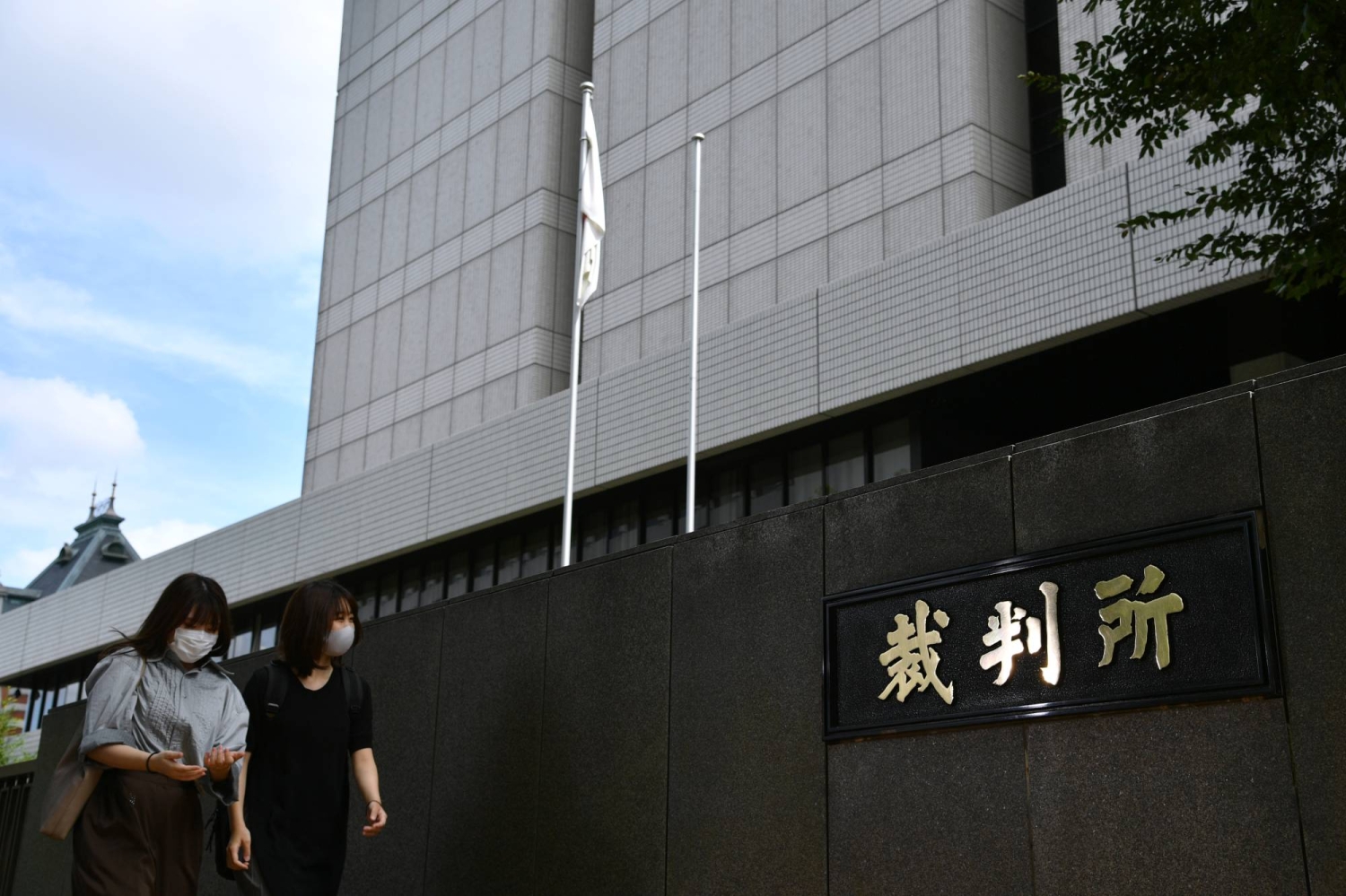
The Tokyo District Court sentenced a 44-year-old man, Kenichi Takano, to 16 years in prison for fatally stabbing Airi Sato, a 22-year-old woman, on March 11, 2025, while she was livestreaming on a street in Tokyo's Takadanobaba district. Prosecutors said Sato sustained 55 stab wounds, and Takano then livestreamed her body and kicked her head.
Why it matters
Takano had spent roughly ¥2.4 million ($14,800) on items through Sato's livestreaming app and at a hostess bar where she worked, and claimed to have lent her about ¥2.5 million. Prosecutors argued that when Sato did not repay the debt, Takano felt deceived and his resentment built up—highlighting a real risk where online relationships between streamers and supporters can escalate into violence when financial expectations clash.
What to watch
The case underscores tensions in livestreaming ecosystems where followers can accumulate significant financial ties to creators. Takano reportedly located Sato by watching her livestream schedule and identifying her location in real time, raising questions about creator safety in public spaces and the visibility of their movements to followers.
Summaries like this, in your inbox every morning.
This case illustrates a sharp collision between the economics of livestreaming and personal safety. Sato monetized her online presence through a livestreaming app and work at a hostess bar, drawing income from followers like Takano. The relationship between creator and supporter, typically transactional and mediated by a screen, became violent when financial expectations diverged. Takano's expenditure of roughly ¥2.4 million ($14,800) in direct support, combined with his claim of a ¥2.5 million loan, created a sense of obligation and entitlement that prosecutors argued festered into deadly resentment when the debt was not repaid and a civil lawsuit failed to recover the money.
Crucially, Takano was able to move from online relationship to physical violence by exploiting the public nature of Sato's livestream itself: he watched her broadcasting schedule, traveled to Tokyo, and identified her exact location by monitoring her live video feed in real time. This attack took place in a crowded urban district while she was actively streaming, turning the very mechanism of her income generation into a tool for her killer to locate and ambush her. The fact that Takano then livestreamed her body after the attack suggests a distorted continuation of the same parasocial relationship that had driven his spending.
Pick your industry and the AI tools you use, and get news related to your work every day.
Free · 30 seconds with Google · unsubscribe anytimeWhat is AIToday? →
Ask AI anything about this article. The AI reads this article, earlier AIToday articles, and Wikipedia, and cites its sources. Q&As are published on this page for other readers too.

