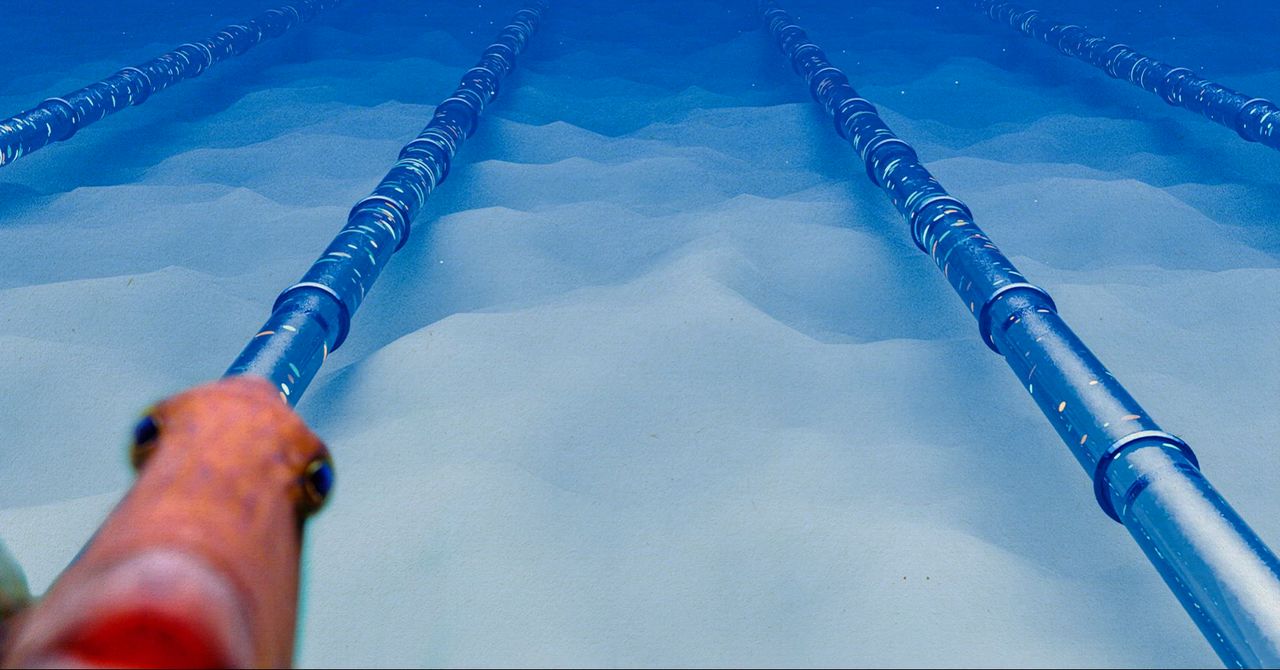
In 2025, two cables linking Europe to the Middle East and Asia were cut in the Red Sea, degrading internet connectivity across the Gulf for days and causing an estimated $3.5 billion in damages from lost services.
Undersea cables carry an estimated 95 percent of all international data traffic, but the Gulf's connectivity to Europe and the US depends on just a few routes through the Red Sea and the Strait of Hormuz. Hyperscalers now demand multiple independent network paths and resilience standards comparable to transatlantic and transpacific routes, which typically operate across four or five physically separate paths.
Saudi Arabia's state telecoms company, Stc Group, is investing $800 million in reviving the SilkLink terrestrial corridor (the JADI route through Syria, Amman, Damascus, and Istanbul). A consortium of Iraqi and Emirati companies is building the $700 million WorldLink cable, traveling underwater in the Strait of Hormuz from the UAE to Iraq, then transitioning to land-based cables into Turkey.
Terrestrial systems can support up to 144 fiber pairs compared to the 24 typical in today's subsea cables, but are more vulnerable to physical disruptions; satellite connectivity cannot carry as much data as undersea or terrestrial cables and suffers from higher latency.
Ask the AI about this article →
For example, today's edition would include:
AI-summarized, only the topics you pick — one digest a day via Email, Slack, or Discord.
Free · takes 30 seconds · unsubscribe anytimeWhat is AIToday? →
Ask AI anything about this article. Q&As are published on this page for other readers too.

