What happened
AWS migrated a multi-model healthcare AI agent from Amazon ECS with AWS Fargate to Amazon Bedrock AgentCore runtime, keeping the same healthcare_agentcore.py file and triple-model orchestration.
Why it matters
AgentCore runtime handles container lifecycle, scaling, identity, and observability automatically, so teams can focus on agent logic rather than infrastructure, according to AWS.
What to watch
The sample is for demonstration, and production medical deployments would use Amazon Bedrock Guardrails for content filtering and grounding validation as a standard control.
WHO IT HITSHealthcare technology teams and developers running multi-model AI agents on self-managed containers are the main audience. The pattern may also interest teams in financial services and manufacturing, which AWS says the framework-agnostic approach can apply to.
Summaries like this, in your inbox every morning.
The starting point for this migration was an earlier AWS post that showed how to build a healthcare AI agent with multi-model orchestration on self-managed infrastructure. That standalone version ran on Amazon ECS with AWS Fargate, where users configured container orchestration, scaling, identity, and observability themselves. The new post takes the same agent and moves it to Amazon Bedrock AgentCore runtime, wrapping the logic with the AgentCore runtime decorator pattern while leaving the internal agent code unchanged.
The body frames this as a trade-off rather than a replacement. Amazon ECS with AWS Fargate still provides full control over container configuration, networking, and scaling policies, which the post says suits teams with existing container operations expertise or specific infrastructure requirements. AgentCore runtime is presented as the option for teams that prefer managed infrastructure and want to focus on agent logic development. The migration preserves the agent's multi-model setup across Amazon Bedrock, Amazon SageMaker AI, and a containerized backend, plus vector-enhanced knowledge retrieval with Amazon OpenSearch Service.
What the outcome hinges on is whether teams are willing to give up direct control of deployment configuration in exchange for managed lifecycle, scaling, identity, and observability. The post notes this is a sample implementation for demonstration, and that production deployments handling medical or other sensitive queries would use Amazon Bedrock Guardrails as a standard control. AWS positions the framework-agnostic pattern as applicable across healthcare, financial services, and manufacturing, though the evidence offered is a single healthcare sample.
For example, today's edition would include:
AI-summarized, only the topics you pick — one digest a day via Email, Slack, or Discord.
Free · 30 seconds with Google · unsubscribe anytimeWhat is AIToday? →
Ask AI anything about this article. Q&As are published on this page for other readers too.
Prism ML Inc. launched Bonsai 2 27B, which compresses a Qwen3.8 27B-based model from about 56 gigabytes to abo…

CoreWeave holds its inaugural user conference in San Francisco on Sept
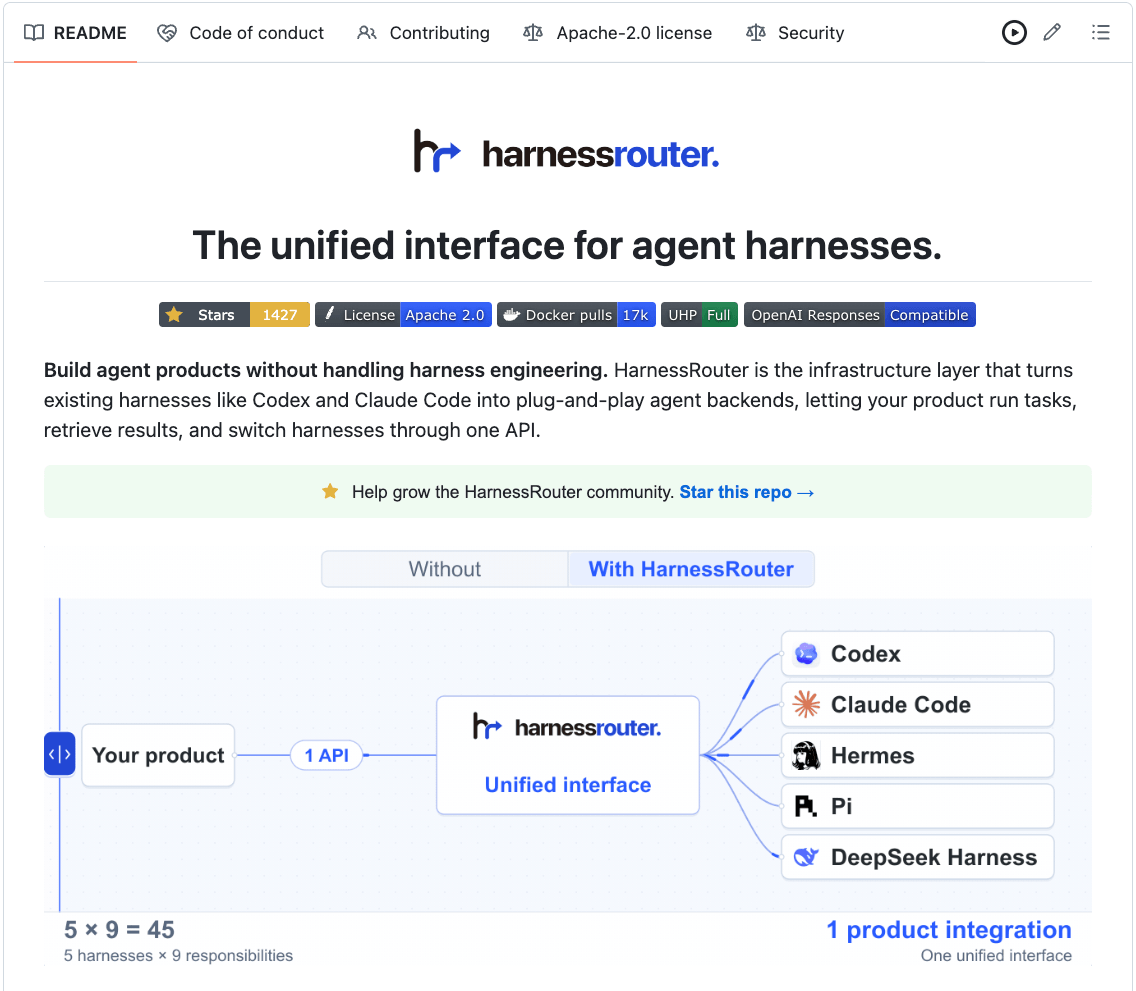
HarnessRouter, an open-source implementation of the Unified Harness Protocol, runs Codex and Claude Code throu…
Gartner predicts over 40% of agentic AI projects will be canceled by end of 2027, citing rising costs, unclear…
Disney appointed Karandeep Anand, former CEO of Character.AI, as its first-ever chief technology officer; Vari…

Google introduced an updated CC AI agent that shifts from a work productivity tool to household coordination…