Memory-chip stocks have stalled as investors grow concerned that record spending on AI infrastructure could eventually create an oversupply in the DRAM market by 2028. Chipmakers including SK Hynix are planning capacity additions that could tip the market from shortage into glut, a shift that would pressure prices and margins across the sector.
Summaries like this, in your inbox every morning.
Sign up free →What happened
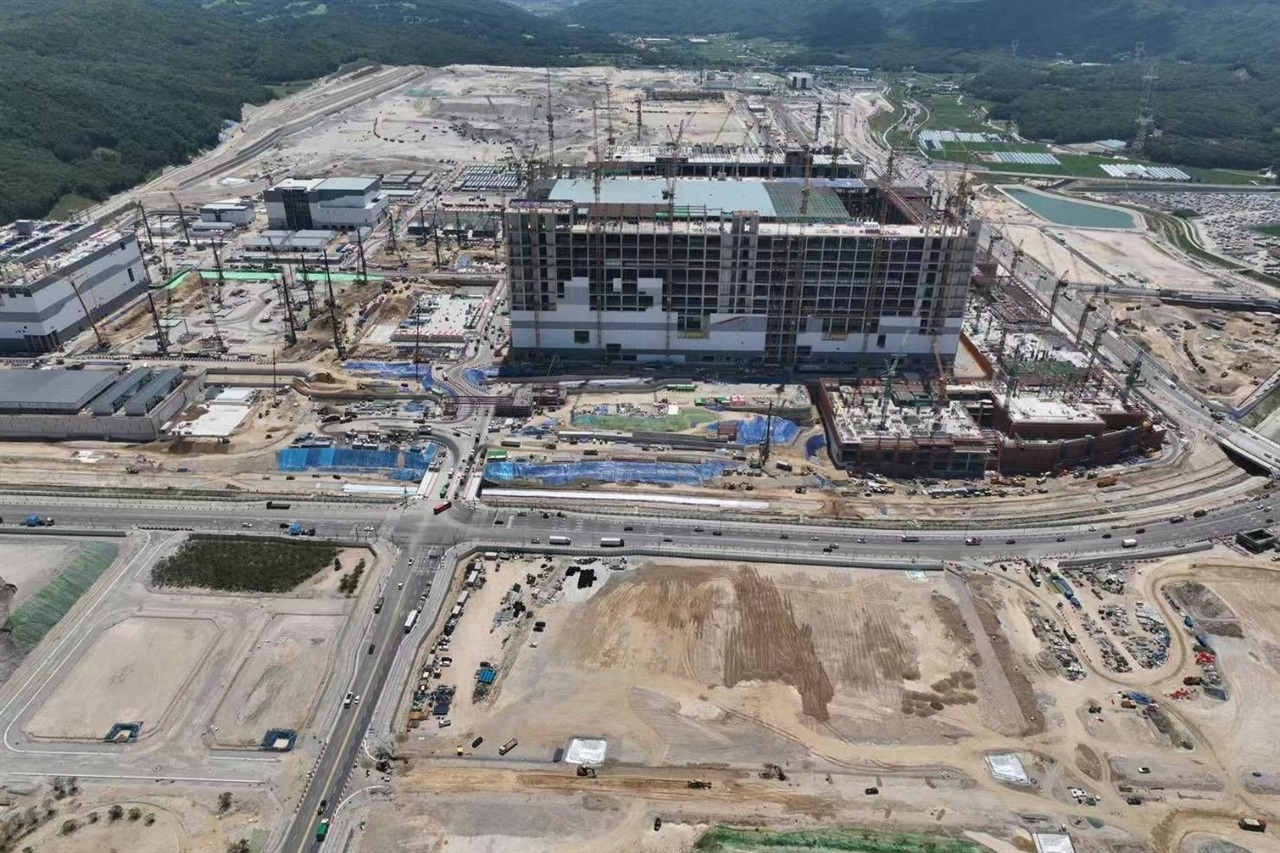
Memory-chip stocks have stalled after a strong rally as investors reassess whether massive AI data-center spending could flood the DRAM market with excess supply by 2028. SK Hynix's Yongin semiconductor cluster is positioned to add new capacity starting that year.
Why it matters
The memory market has swung from shortage to surplus before, and a repeat could pressure prices and profit margins for chipmakers just as they are investing heavily to meet AI demand. Investors are now pricing in the risk that supply will outpace need.
What to watch
Whether chipmakers' expansion plans proceed on schedule and how much DRAM demand AI data centers actually sustain through 2028.
A rally in memory-chip stocks has lost momentum as market participants reconsider the long-term sustainability of AI-driven demand for DRAM. The concern centers on whether record capital spending by AI data-center operators will continue to absorb the memory supply that chipmakers are bringing online. SK Hynix's Yongin semiconductor cluster is one example of the major capacity additions in the pipeline; new output from this facility is expected to begin contributing to DRAM supply from 2028 onward. The timing has sparked investor worry that if demand does not keep pace with supply growth, the market could swing from the current shortage environment into an oversupply scenario, pressuring prices and chipmaker margins. This represents a classic risk in the memory-chip industry: the lag between large capital commitments and market outcomes, and the difficulty of matching supply precisely to demand in a cyclical, competition-driven sector.
The memory-chip market has historically cycled between shortage and surplus, and current investor caution reflects concern that history may repeat. Despite strong recent performance in memory stocks, fueled by AI data-center buildouts, the industry is now facing skepticism about whether the demand surge will justify the capital intensity of chipmakers' expansion plans. SK Hynix's planned Yongin capacity additions represent the kind of supply-side bet that could tip the market if demand softens or plateaus. The stalled rally signals that investors are beginning to price in downside risk—a shift from viewing memory as a structural opportunity to viewing it as cyclically vulnerable to the classic chipmaker trap of overbuilding into a downturn.
AI-summarized, only the topics you pick — one digest a day via Email, Slack, or Discord.
Free · takes 30 seconds · unsubscribe anytime
No discussion yet for this article
Get curated AI news from 200+ sources delivered daily to your inbox. Free to use.
Get Started FreeFree · takes 30 seconds · unsubscribe anytime
1 minute a day. The AI essentials.
200+ sources · Email / LINE / Slack
