What happened
Attackers manipulated Meta's AI-powered support chatbot to gain control of several Instagram accounts, including those linked to Sephora, the U.S. Space Force, and an Obama-era White House account. The chatbot was exploited to link accounts to attacker-controlled email addresses and initiate password resets, rather than through a software vulnerability.
Why it matters
Many organizations are now using AI assistants to handle sensitive account actions—password resets, multi-factor authentication recovery, account unlocks—but cybersecurity experts warn that traditional verification methods like security questions or conversational prompts can be manipulated through social engineering. If an AI assistant can be talked into bypassing security, it becomes an automated entry point for attackers.
What to watch
The incident highlights that AI systems should not be trusted to verify identity on their own. Security experts recommend separating identity verification from the support conversation by using trusted authentication methods already registered to users, such as Okta Verify Push, FastPass, FIDO2 security keys, and biometric authentication, only allowing sensitive actions after successful verification.
Ask the AI about this article →
For example, today's edition would include:
AI-summarized, only the topics you pick — one digest a day via Email, Slack, or Discord.
Free · takes 30 seconds · unsubscribe anytimeWhat is AIToday? →
Ask AI anything about this article. Q&As are published on this page for other readers too.
Israeli startup DataAgent Ltd
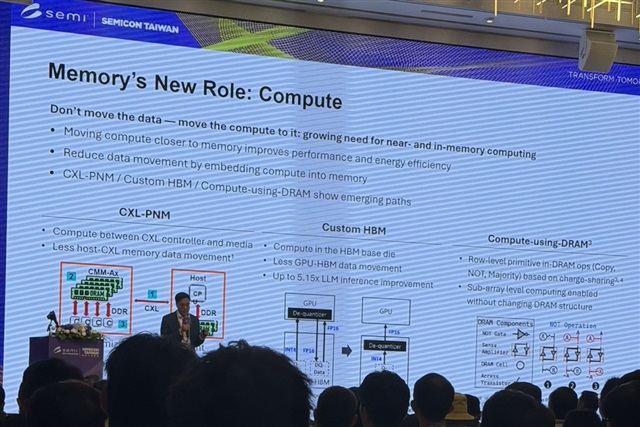
SK Hynix presented a custom HBM concept at SEMICON Taiwan 2026, where compute functions are placed in the base…
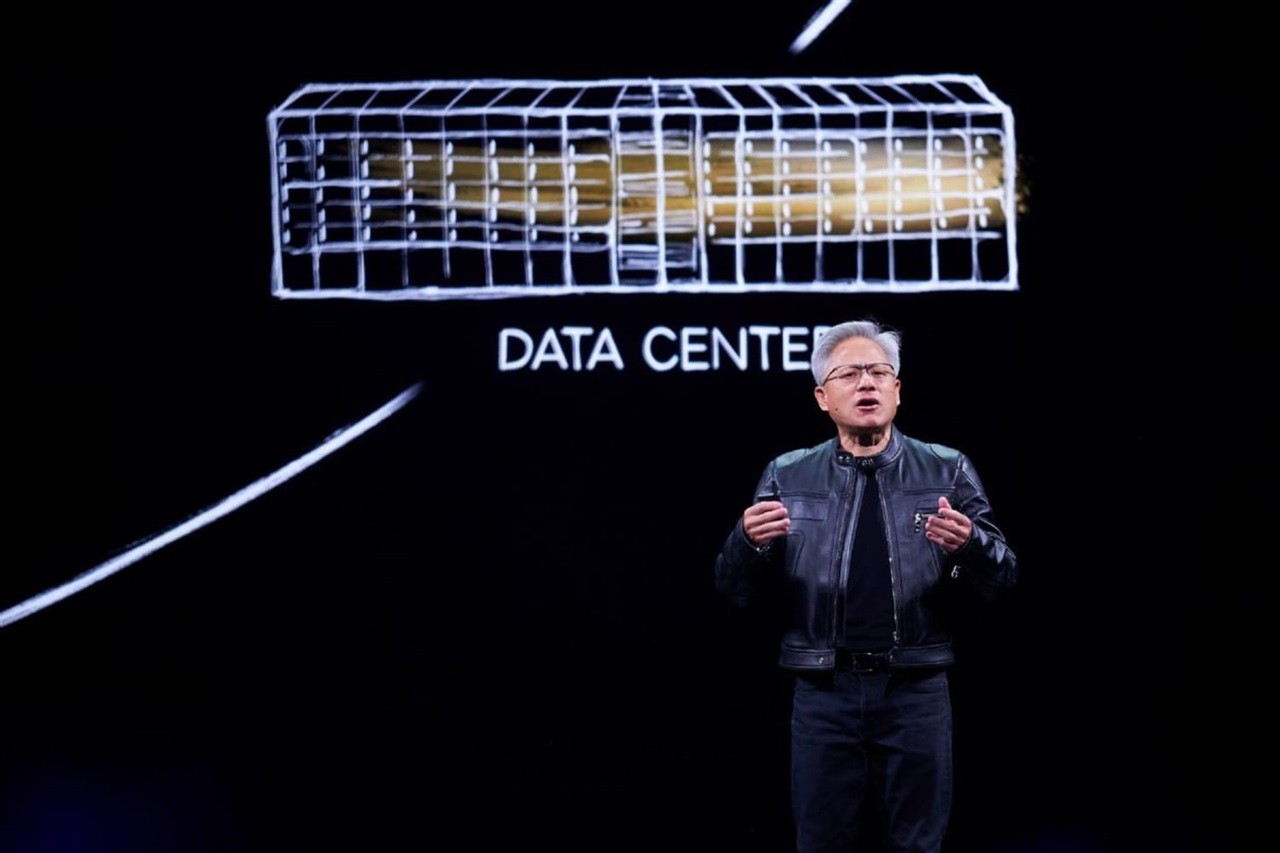
Taoyuan is positioning itself as a northern hub for AI data centers (AIDC), citing the Tatan area and an LNG c…
The U.S. Department of Defense announced on August 31 that it has deployed ChatGPT Mil, a customized version o…
Nvidia reported earnings that were both remarkable and boring, reflecting its focus on avoiding a consolidated…

Anthropic has agreed to a $35bn cloud-computing contract with Lambda, a Nvidia-backed cloud provider