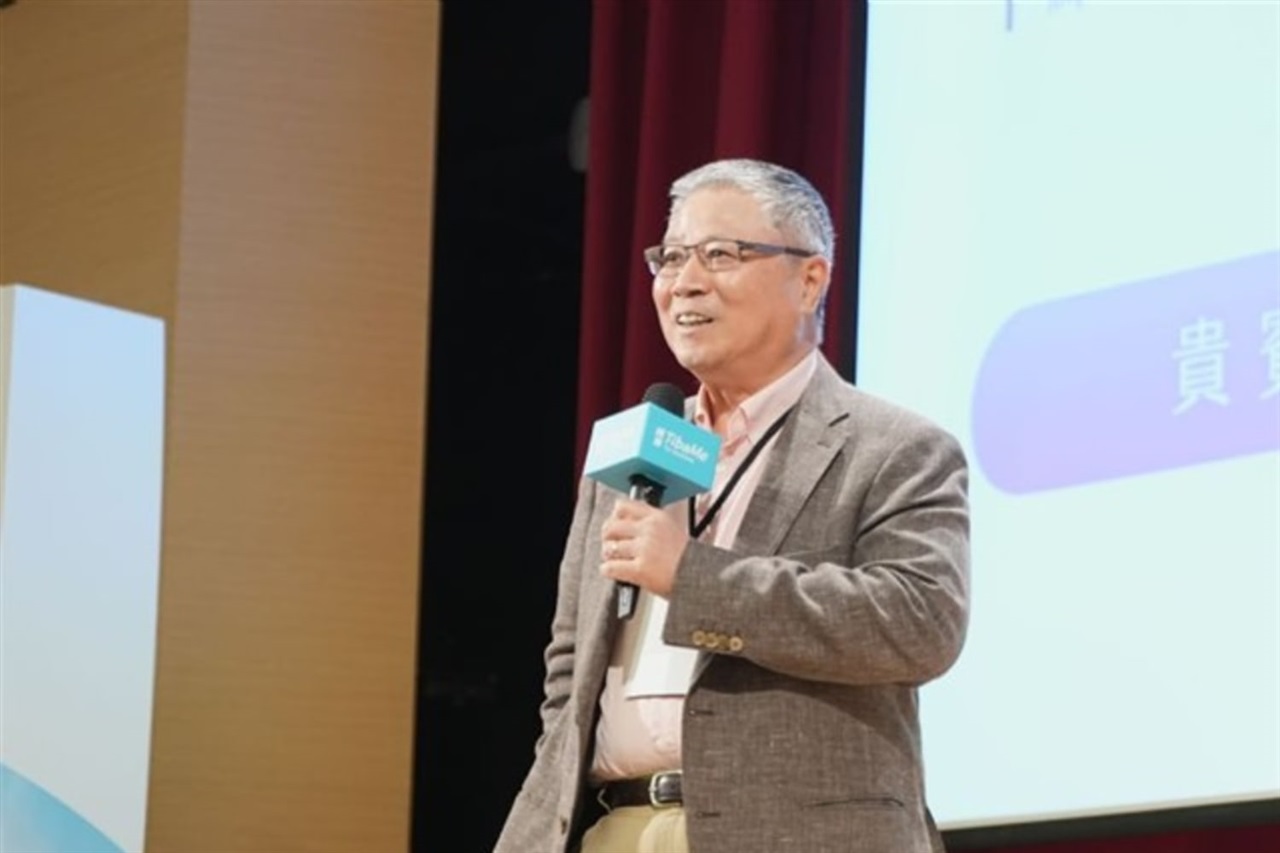
Wistron's chairman stated that AI is raising the quality of skilled workers and enabling far fewer people to complete work that once required much larger teams. This signals that Taiwan, traditionally reliant on manufacturing employment, may need to rethink its economic strategy and workforce development to stay relevant in an AI-driven era.
Summaries like this, in your inbox every morning.
Sign up free →What happened
Wistron chairman Simon Lin said AI is improving professional talent quality, allowing tasks that previously required 100 people to be completed by four or five people instead. He noted AI can help address labor shortages.
Why it matters
As AI transforms how work gets done, businesses and policymakers face a shift in what skills and workforce size they actually need. For Taiwan—a major manufacturing hub—this suggests the economy may need to move beyond a pure manufacturing mindset to stay competitive.
What to watch
Lin's comments reflect a broader business view that AI is reshaping labor economics; the actual pace and scale of workforce changes across industries will determine how quickly Taiwan and other economies must adapt.
No discussion yet for this article
Get curated AI news from 200+ sources delivered daily to your inbox. Free to use.
Get Started FreeFree · takes 30 seconds · unsubscribe anytime
1 minute a day. The AI essentials.
200+ sources · Email / LINE / Slack

