
What happened
MeetingTV has sued Palo Alto Networks and its acquired Koi Security unit after Koi published a December 30 blog post that falsely linked the video conferencing startup to a Chinese corporate espionage campaign. The lawsuit alleges that Koi used an LLM (AI system that understands and generates text) to generate the threat report, the AI hallucinated findings about MeetingTV, and Koi then published these as facts without human review. The blog accused MeetingTV's Zoomcorder product of being a "public-facing front" for a Chinese criminal operation called DarkSpectre and tied it to a 2.2-million-user campaign stealing corporate meeting intelligence.
Why it matters
As a result of the report, security companies and service providers globally blocked MeetingTV's domains and services, labeling them as malware and command-and-control infrastructure. MeetingTV's CEO Michael Robertson says providers including Verizon and Palo Alto Networks continue to block the startup, and that "if people on the internet are blocked from reaching your company, then that's a death sentence." The case highlights a critical risk: AI-driven cybersecurity research can cause real business damage if published without human verification, and the false accusations now persist in LLM training data, making them difficult to remove.
What to watch
The lawsuit centers on Koi's analytical platform called "Wings," which the complaint alleges generated erroneous correlations. MeetingTV alleges that a key element of Koi's analysis—a browser extension called "Twitter X Video Downloader"—does not exist, and that Koi "refused to supply information" about it when MeetingTV requested details. Palo Alto Networks acquired Koi Security in April and has not yet fully addressed the complaint.
Summaries like this, in your inbox every morning.
Pick your industry and the AI tools you use, and get news related to your work every day.
Free · 30 seconds with Google · unsubscribe anytimeWhat is AIToday? →
Ask AI anything about this article. The AI reads this article, earlier AIToday articles, and Wikipedia, and cites its sources. Q&As are published on this page for other readers too.
Dell says its AI Data Platform uses a four-engine architecture and a Unified Semantic Layer to connect siloed…

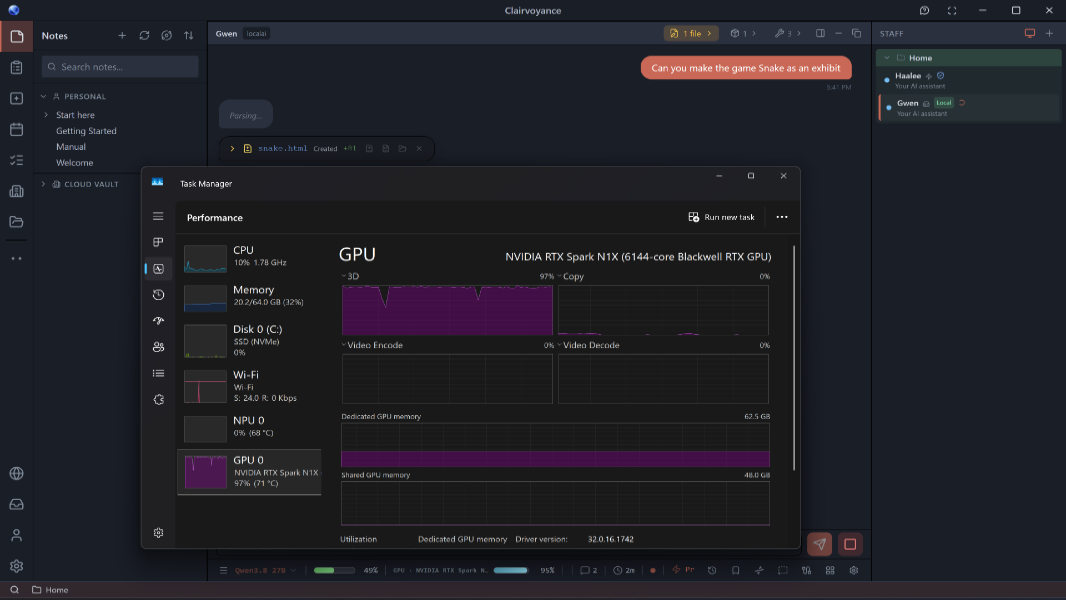
Microsoft and Nvidia are promoting RTX Spark, a new class of Windows PCs for local AI, with a top configuratio…
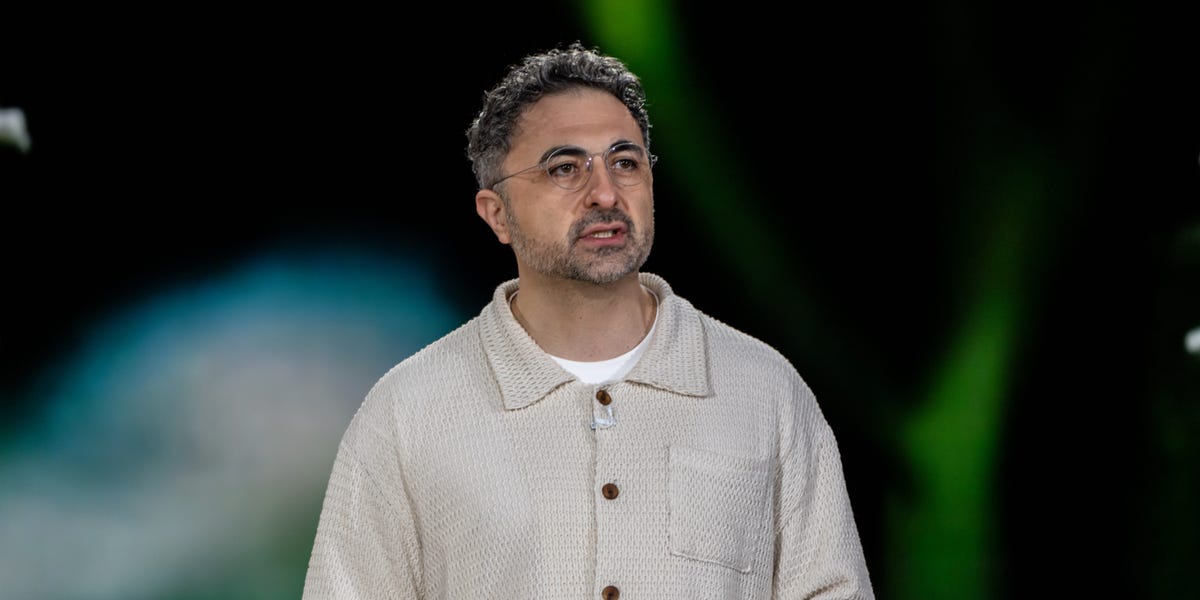
Microsoft AI CEO Mustafa Suleyman told employees that MAI-Base-2, announced Thursday, is a stronger pre-traine…
Germany's government will unveil an AI agreement with Nvidia next week, according to government sources cited…

Amazon introduced Bee Frontier, a wearable personal AI, for $74.99 in Onyx, Lavender and Sage, and Bee Eclipse…

Wall Street ended down sharply, with worries about the AI trade and high oil prices weighing on the market