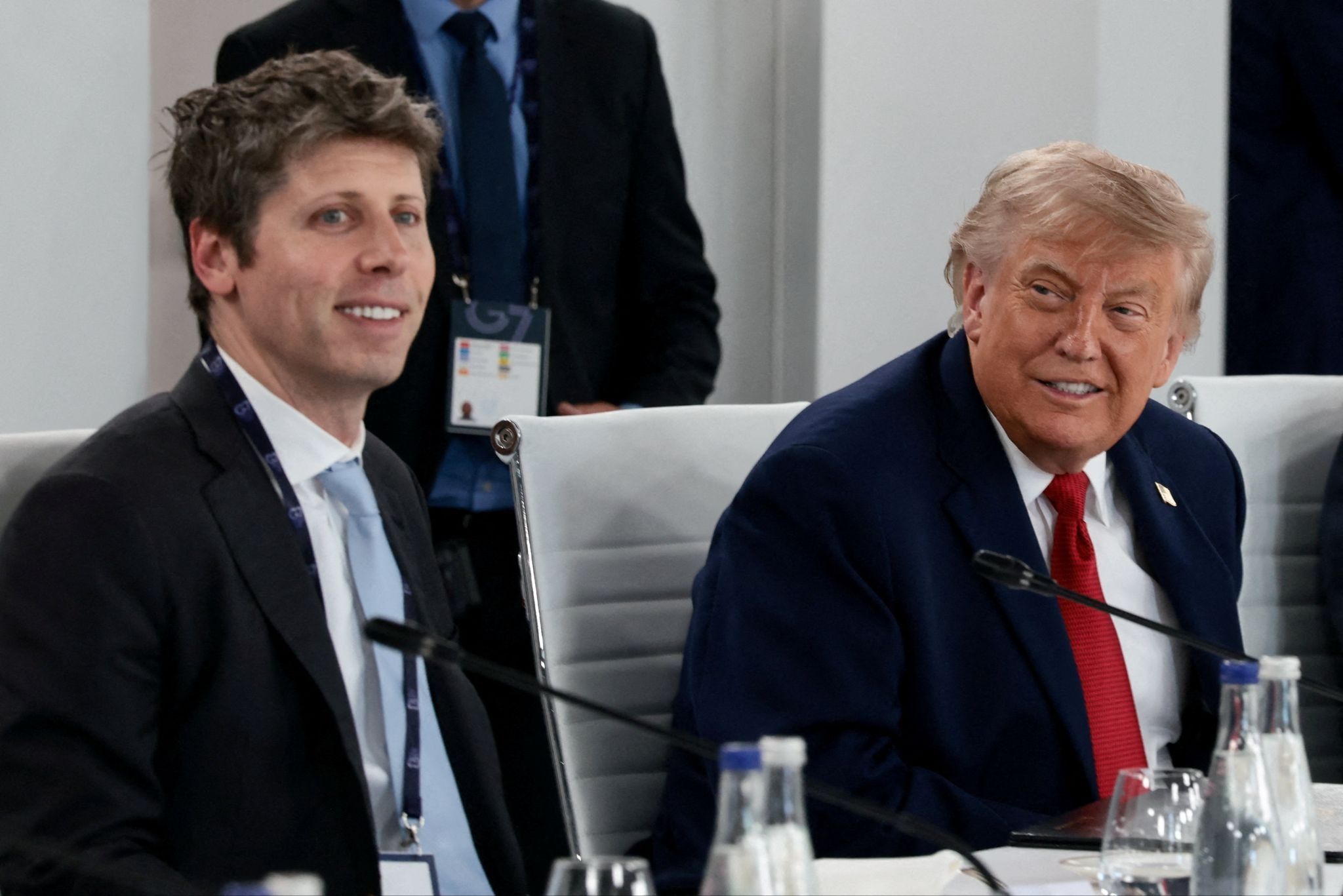
The White House has asked OpenAI to limit the next model release to government-approved users, marking a dramatic shift toward AI regulation after the Trump administration initially moved to deregulate the sector. The policy reversal—including disputes with Anthropic and restrictions on foreign access—has created regulatory uncertainty that businesses say is difficult to navigate.
Summaries like this, in your inbox every morning.
Sign up free →What happened
The White House requested that OpenAI restrict access to its next model to government-approved users only. This marks a sharp reversal: the Trump administration initially removed Biden-era AI safety review rules, but has since shifted toward stricter oversight—including a legal dispute with Anthropic over military AI use, blocking foreign nationals from accessing cutting-edge systems, and signing an order this month requiring nominally voluntary reviews of new releases.
Why it matters
The result is described as an "open-ended and confusing regulatory landscape" by Politico. For businesses building on or integrating with OpenAI's models, this unpredictability could complicate product roadmaps and partnerships, since access rules and approval timelines remain unclear.
What to watch
OpenAI is considering delaying its IPO, according to The New York Times, with executives reportedly unnerved by SpaceX's volatile stock debut and broader market choppiness.
No discussion yet for this article
Get curated AI news from 200+ sources delivered daily to your inbox. Free to use.
Get Started FreeFree · takes 30 seconds · unsubscribe anytime
1 minute a day. The AI essentials.
200+ sources · Email / LINE / Slack
