Alphabet's market cap stood at $4.67 trillion as of Tuesday morning, approaching Nvidia's $4.79 trillion. Alphabet's shares have surged about 24% this year, while Nvidia's shares are up just about 7%. This would mark Alphabet's return to the No. 1 spot for the first time in more than a decade, last held briefly in February 2016.
Google Cloud segment revenue grew 63% in the first quarter, the highest growth rate since the company began breaking out the segment's revenue in 2020. CEO Sundar Pichai said Google had started selling its AI chips, which compete with Nvidia's semiconductors, directly to some customers.
Alphabet is positioned as both a major AI services provider through its cloud platform and a key rival to Nvidia through custom processors that have won customers such as Anthropic. Wall Street analysts attribute the shift to hyperscaler capex spend and early signs of better monetization from Alphabet versus the broader AI supply chain.
Summaries like this, in your inbox every morning.
Pick your industry and the AI tools you use, and get news related to your work every day.
Free · 30 seconds with Google · unsubscribe anytimeWhat is AIToday? →
Ask AI anything about this article. The AI reads this article, earlier AIToday articles, and Wikipedia, and cites its sources. Q&As are published on this page for other readers too.
The Motley Fool argues Amazon is the AI company of the two, since AWS was just 21% of first-half 2026 revenue…

Hewlett Packard Enterprise stock is down 5% at $55.87
Vercel data published Thursday shows TypeSafe AI's Jev, a lightweight decision model for choosing among predet…
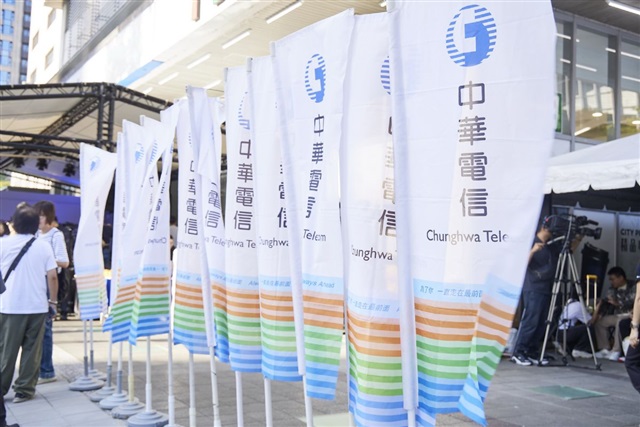
Chunghwa Telecom president Rong-shy Lin said the shift from conversational AI to autonomous AI agents is resha…
CoreWeave fell 5% in premarket trading Friday and was on track to finish the week down 15%, after rebounding f…
Apple and Meta said they would jointly release a new open-weight AI model designed to run on high-end Macs, ai…