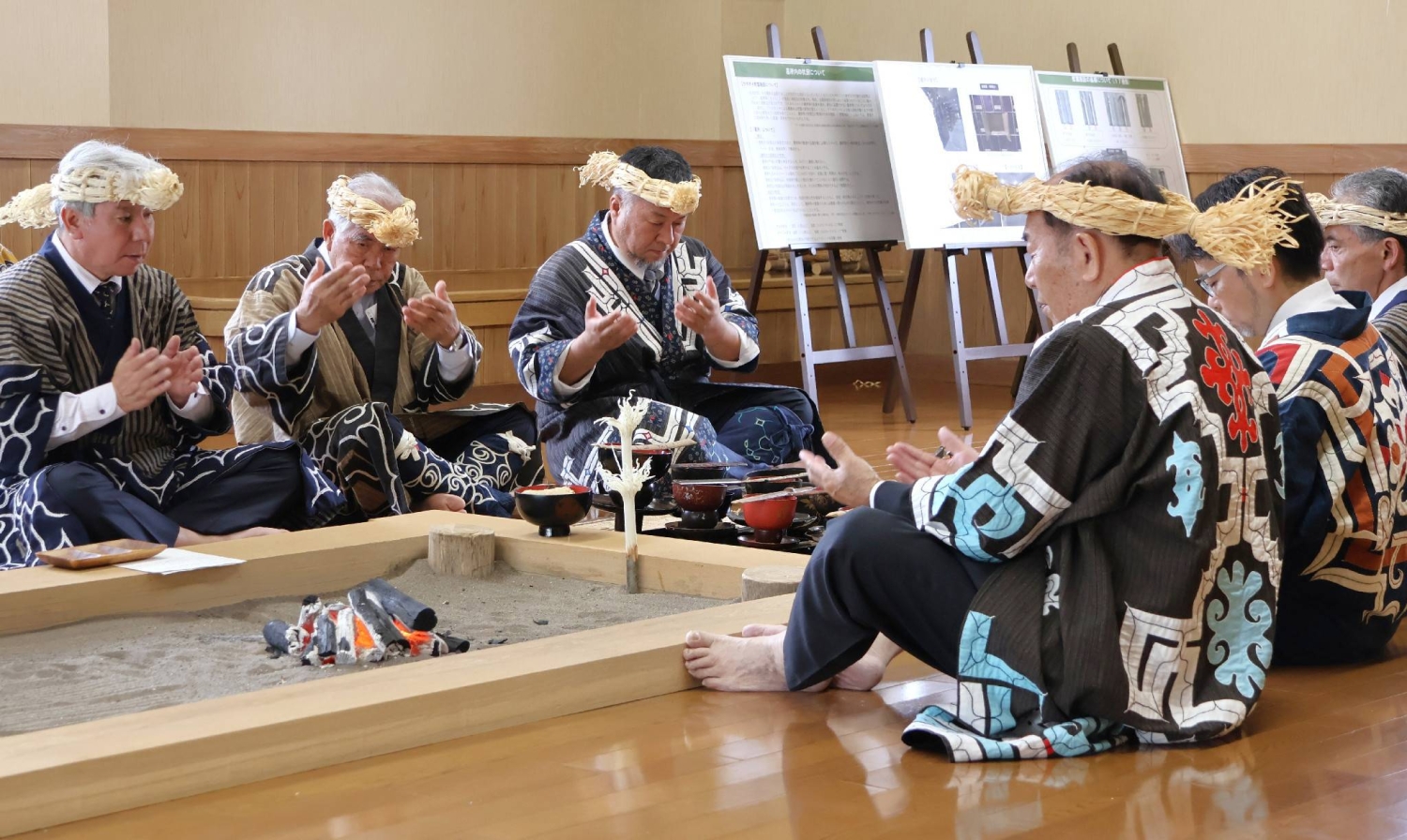
The Shibechari Ainu Tribe, established in 2019 and comprising Ainu descendants from Shinhidaka and nearby kotan settlements, filed suit Friday with Sapporo District Court seeking return of 279 Ainu ancestor remains stored at Upopoy (the National Ainu Museum and Park), which is managed by the land ministry.
The plaintiffs argue that Ainu custom requires holding funerals and burials in kotan settlements and that the Ainu have no concept of individuals holding ownership rights over human remains. The remains were originally removed by Hokkaido University, the University of Tokyo, and others for research purposes; the universities later waived their rights when the remains were transferred to the memorial facility.
Tsutomu Takatsuki, chair of the Ainu organization, stated that the government's guidelines for return of remains deny the Ainu's rights, and that the suit is intended to assert their rights and realize the return of the remains.
Summaries like this, in your inbox every morning.
Pick your industry and the AI tools you use, and get news related to your work every day.
Free · 30 seconds with Google · unsubscribe anytimeWhat is AIToday? →
Ask AI anything about this article. The AI reads this article, earlier AIToday articles, and Wikipedia, and cites its sources. Q&As are published on this page for other readers too.

