What happened
Microsoft instructed its sales team on Tuesday to position its in-house AI models above rival offerings from OpenAI, Google, and Anthropic during a fiscal 2027 strategy session. Executive Vice President Jay Parikh told staff, "Everyone else is selling parts — we're selling the full end-to-end system," according to Bloomberg.
Why it matters
Microsoft is shifting away from relying on third-party AI providers—both of which have long supplied models embedded in Microsoft's own products. CEO Satya Nadella has warned that companies "pay for intelligence twice" when they rely on third-party AI and risk exposing business knowledge to external vendors. The move follows Microsoft's April deal that ended OpenAI's exclusivity and a recent effort to replace OpenAI and Anthropic models in Word and Excel to reduce costs.
What to watch
Copilot chief Jacob Andreou directly compared Copilot to Anthropic's Claude in the session, claiming Claude was slower, less accurate, and lacked strong security integrations across Microsoft's Office apps. Meta has also signaled plans to undercut AI rivals, with CEO Mark Zuckerberg suggesting its new Model API could be priced roughly 25% below OpenAI and Anthropic, according to JPMorgan analyst Doug Anmuth.
Summaries like this, in your inbox every morning.
Microsoft's move to prioritize its own AI models reflects a fundamental shift in how the technology giant approaches its AI strategy. The company has long relied on external partners—OpenAI and Anthropic—to supply the AI engines powering products like Copilot. However, that relationship has been gradually unwinding: in April, Microsoft ended OpenAI's exclusivity agreement, and more recently the company began replacing third-party models in core Office applications to reduce spending. The fiscal 2027 strategy session represents a formal directive to accelerate this transition, signaling that Microsoft views in-house AI as both cheaper and more strategically aligned with its broader product ecosystem.
CEO Satya Nadella's framing—that third-party AI models create a "double payment" problem and expose business data to external vendors—articulates the business case behind this shift. By controlling the full AI stack, Microsoft positions itself to offer customers what Executive Vice President Jay Parikh described as the "full end-to-end system" rather than disconnected components. The competitive landscape is intensifying on price as well: Meta's announced pricing, roughly 25% below OpenAI and Anthropic, adds pressure on all players to demonstrate cost efficiency. Microsoft's strategy suggests it believes controlling its own models will ultimately deliver both better margins and stronger integration with its dominant Office suite.
Pick your industry and the AI tools you use, and get news related to your work every day.
Free · 30 seconds with Google · unsubscribe anytimeWhat is AIToday? →
Ask AI anything about this article. The AI reads this article, earlier AIToday articles, and Wikipedia, and cites its sources. Q&As are published on this page for other readers too.
In Q2, billionaires or their funds sold six 'Magnificent Seven' AI stocks
Nvidia was rising early Friday, even as the wider chip sector kept falling, Barron's reported
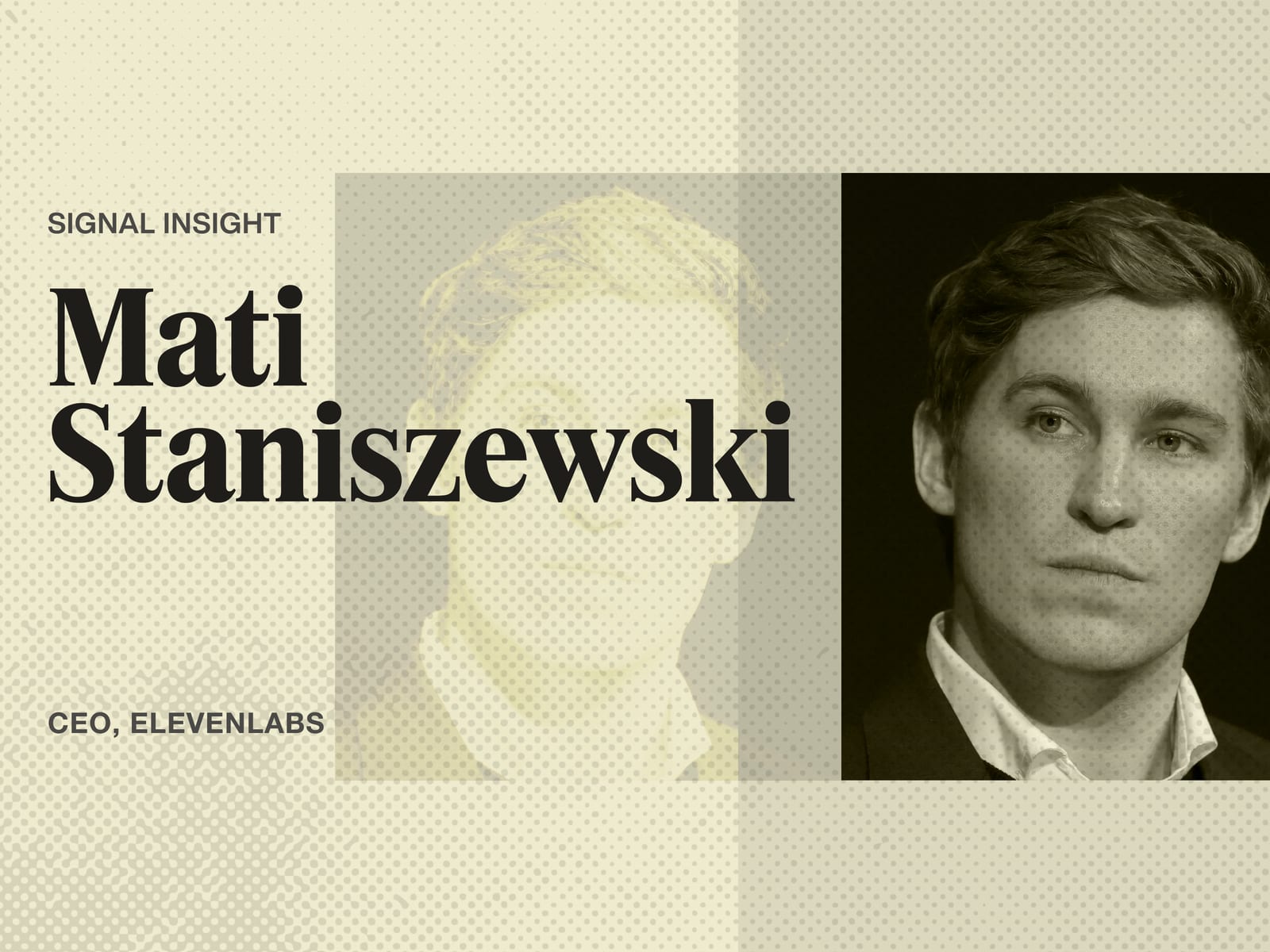
ElevenLabs completed a $300 million employee tender at a $22 billion valuation, and co-founder Mati Staniszews…
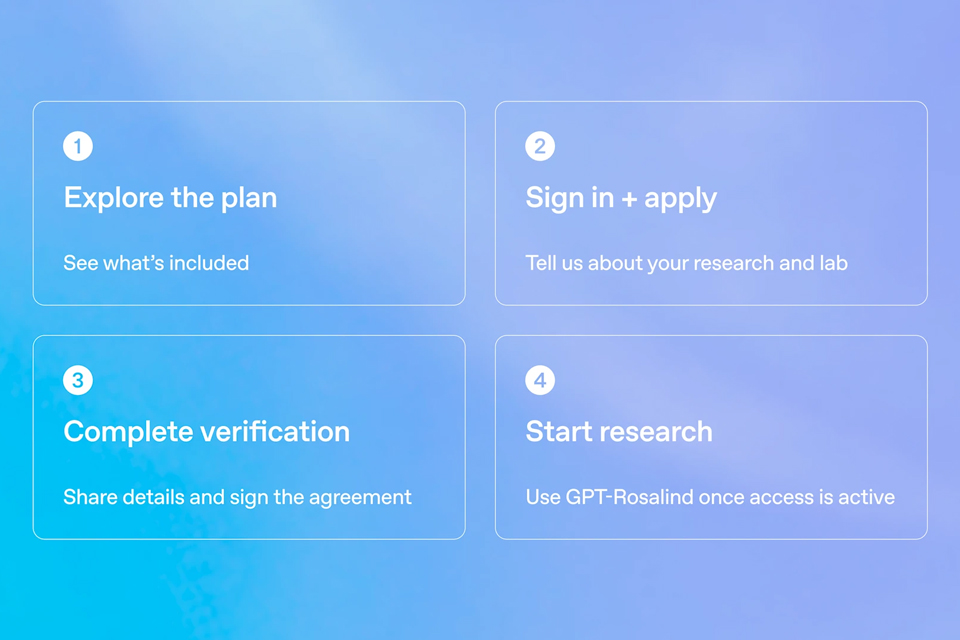
On October 15, OpenAI announced the Rosalind Academic Plan, giving approved US university labs free access to…
Neostellar Capital principal Evan Schlossman said CoreWeave's $103.7 billion in remaining performance obligati…
A Qiita article compared automated red-teaming methods for LLM apps — GCG, PAIR, and TAP — using mock implemen…


