Video Generation
Jul 22, 2026
The Gist
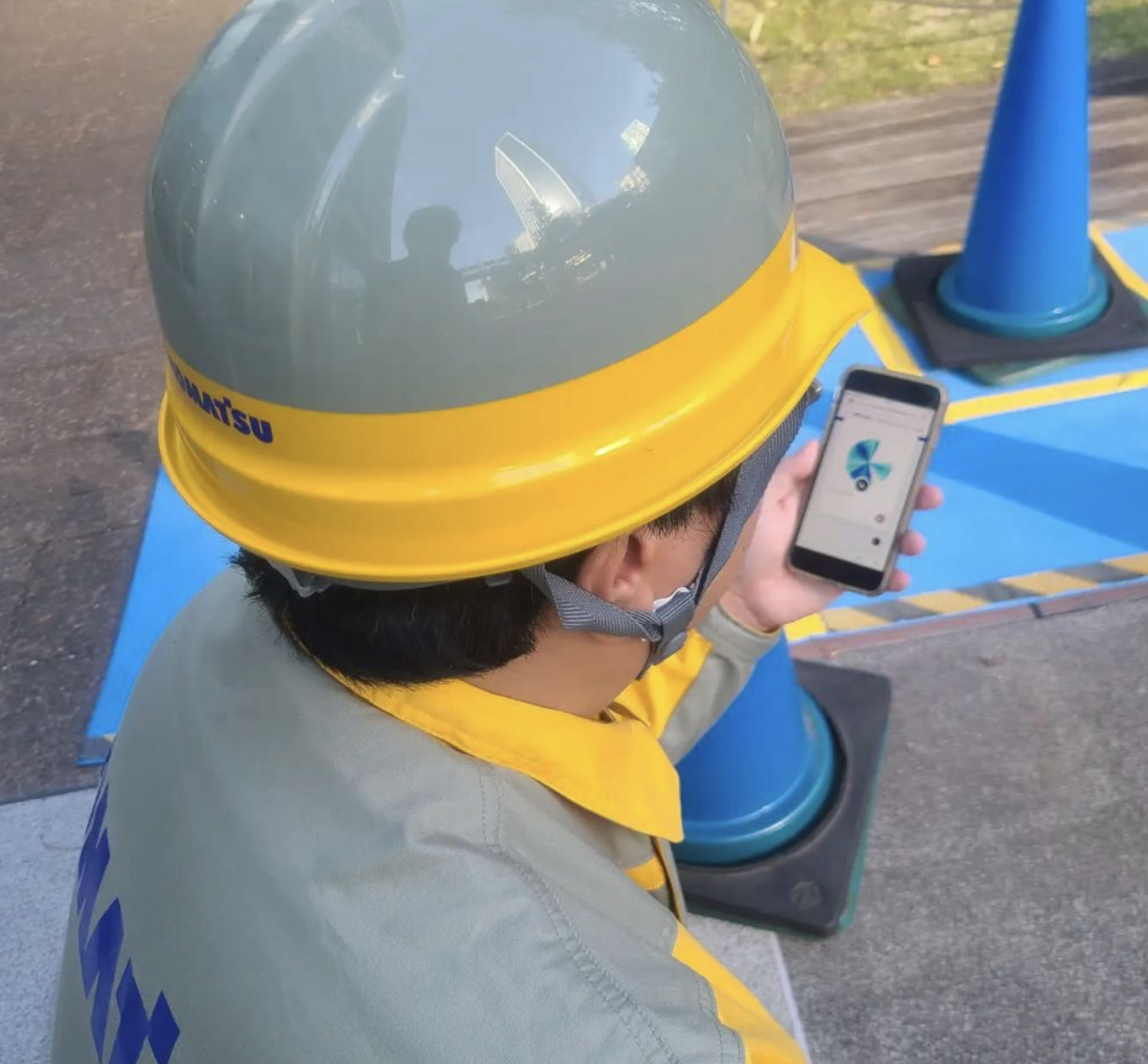
Apple researchers have developed a technique to accelerate video AI systems by skipping redundant computations, while District 9 director Neill Blomkamp's AI-generated film Nightborne faced criticism despite human creative involvement. Meanwhile, Komatsu has launched SORABITO's voice AI assistant for construction equipment maintenance in partnership with Eleven Labs, and Meta's Content Seal watermarking system continues to lag behind Google's SynthID in protecting against AI-generated content.
Today's Stories
- 1
Meta's Content Seal watermarking system lags behind Google's SynthID
Meta introduced Content Seal in July, an invisible watermarking technology that flags images generated by its Muse AI model, after its Oversight Board called on the company in March to employ its own tools against deceptive AI content. Content Seal mimics Google's SynthID but arrives significantly later and with fewer capabilities—detection only works through a dedicated web tool (not built into Meta AI chatbot yet), applies only to Muse images (not older models or video), and has a daily rate limit on scans. The article found that Content Seal failed to detect more than half of Muse-generated images it tested after they had been cropped. Meta had the option to adopt the already-proven SynthID standard, which OpenAI uses, but built its own system instead.
Meta says it is exploring ways to bring detection closer to where people encounter AI-generated content and that video support is coming "soon." The company is also working with industry peers to ensure other platforms like TikTok and LinkedIn can detect Content Seal watermarks, though broader adoption remains a work in progress.
- 2
Blomkamp's AI 'zombie film' Nightborne panned as slop despite human input
Director Neill Blomkamp unveiled Nightborne, a 13-minute sci-fi short created entirely with ByteDance's Seedance 2.0 text-to-video generator through his new company Barley Studios. The film, loosely based on Peter Watts' 2014 novel Echopraxia, features 32 human actors whose likenesses were used and dialogue from real concept artists, but was generated shot-by-shot using the AI tool. Despite polished editing by Austyn Daines and Blomkamp's stated ambition to make a full feature in this format, the short bears the hallmarks of AI-generated content ('slop') — gibberish background signs, unnatural character delivery, and a loss of creative direction that critics attributed to the filmmaker being 'washed.' The project highlights that even when skilled filmmakers apply traditional technique, text-to-video models still lack the understanding of human performance nuance needed to produce compelling finished work.
Blomkamp framed Nightborne as a 'test start' to demonstrate what generative AI is capable of and said he wants to tackle a full feature in this format at some point in the future. The announcement was met with immediate backlash, positioning Blomkamp in a situation similar to director Darren Aronofsky's failed AI Revolutionary War series.
- 3
Apple researchers speed up video AI by skipping unnecessary calculations
Apple Machine Learning researchers identified that a significant fraction of token-to-token connections in video generation models consistently yield negligible scores, and their patterns often repeat across queries. This allows attention computation in these cases to be skipped with little to no effect on the result. Video generation using diffusion models (AI systems that refine images step-by-step) currently suffers from slow runtimes because the large transformer-based backbones are bottlenecked by spatiotemporal attention—a computationally expensive step. Skipping unnecessary attention calculations could make text-to-video generation faster without sacrificing quality, potentially making the technology more practical for real-world applications.
The research demonstrates that this efficiency gain applies not only to individual token connections but also to connections among local token blocks, suggesting the approach could have broad applicability across different video generation architectures.
- 4
District 9 director releases first AI-generated short film
Neill Blomkamp, director of "District 9," released "Nightborne," a 13-minute sci-fi horror short film made entirely with the Seedance 2.0 video generation model. Blomkamp directed the film frame by frame using text prompts, and the faces and voices of 32 real people were used under licensing agreements. The project demonstrates that established filmmakers are beginning to use AI video generation as a production tool, despite ongoing skepticism in creative industries over training data sourcing, job losses, and copyright concerns. Blomkamp's move signals that AI is gaining ground in professional filmmaking, even as these concerns persist.
Blomkamp plans to shoot a full-length feature film in the same format. He has also founded Barley Studios, a new AI film studio that succeeds his earlier venture, Oats Studios, which makes traditional films.
What to Watch
Watch for Meta's video watermark detection tools to roll out across platforms like TikTok and LinkedIn, potentially setting a new standard for identifying AI-generated content as it becomes harder to distinguish from real videos. Meanwhile, Neill Blomkamp's ambitious plans to create a full-length AI-generated feature through his new studio Barley Studios will test whether audiences and the industry can embrace generative AI filmmaking, or if it faces similar resistance to recent high-profile AI projects in entertainment.
Sources
- 「アームの動きが鈍い」の口頭相談から故障診断へ。SORABITOがイレブンラボと対話型音声AIを構築・コマツで実証開始
- Meta made its own AI detection system. It should have just used Google’s
- Neill Blomkamp’s new zombie AI ‘film’ is just slop warmed over
- コマツの建機メンテに、SORABITOの音声AIアシスタント導入:AI
- Accelerating Text-to-Video Generation with Calibrated Sparse Attention
- District 9 director Neill Blomkamp releases first short film made entirely with AI video generation
- PixVerse's $2B valuation shows investors still believe AI video generation has room for another winner
- The ChatGPT browser is already dead
- Wistron chair: AI demand remains strong as sovereign AI broadens global market
- Taming Text-to-Sounding Video Generation via Advanced Modality Condition and Interaction
Share this with a friend
Send today's roundup to anyone who wants to keep up.
Get daily AI news free with AIToday
200+ AI sources, summarized in 1 minute. Email / LINE / Slack.
Sign up free