Autonomous Driving
Jul 23, 2026
The Gist
Major battery safety issues are disrupting Chinese EV makers' supply chains as LFP battery failures affect 210,000 vehicles, while automakers like Xpeng are accelerating ambitious plans in autonomous robotaxis and humanoid robots. Meanwhile, ride-sharing platforms Uber and Lyft are leveraging AI to implement dynamic pricing that can charge different passengers vastly different rates for identical trips, raising consumer fairness questions as the autonomous vehicle industry rapidly advances.
Today's Stories
- 1
LFP battery failures hit 210,000 Chinese EVs, disrupt automakers' CATL shift
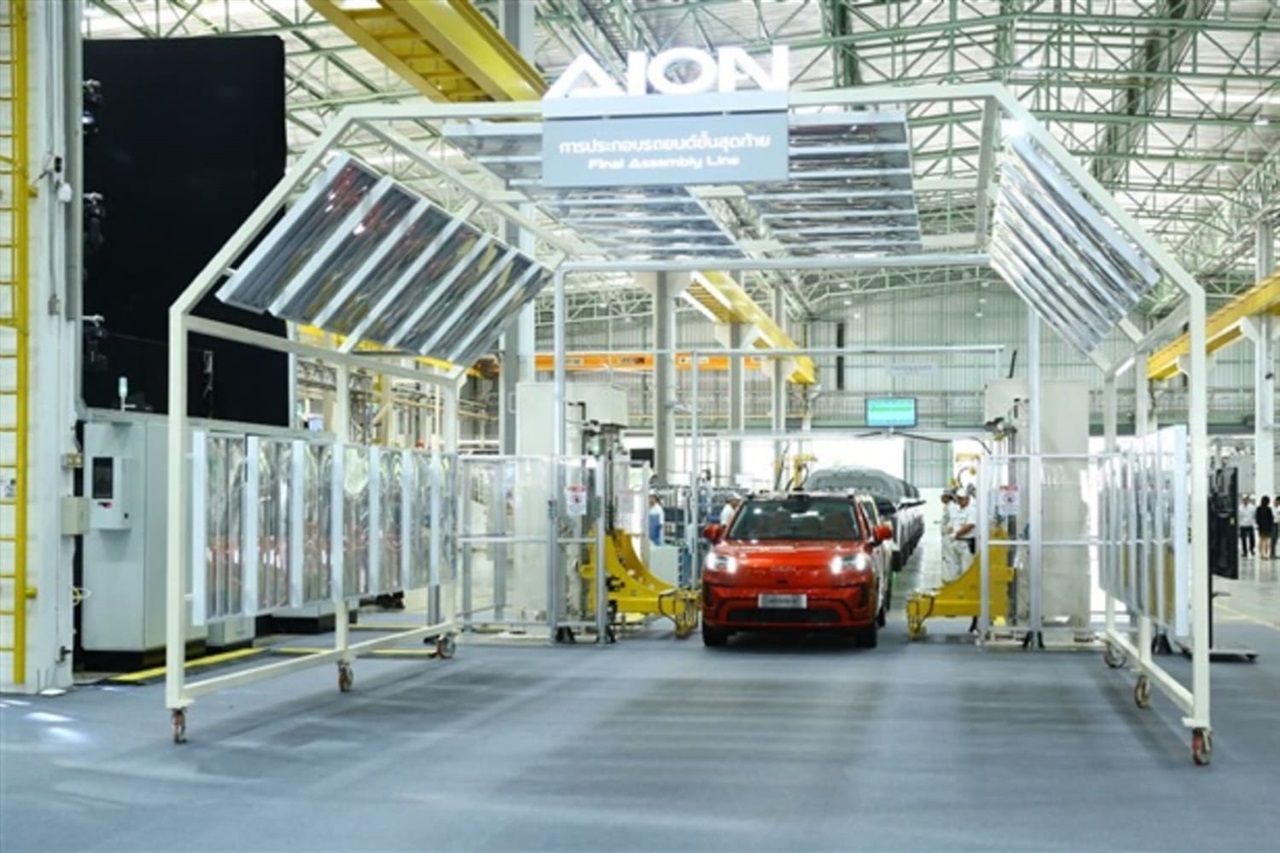
Lithium iron phosphate (LFP) batteries made by China Aviation Lithium Battery (CALB) have developed cell swelling, electrolyte leakage, and insulation failures in ride-hailing and taxi versions of GAC Aion's Aion S across 210,000 vehicles. The quality issue is spreading among automakers who have been moving away from CATL (Contemporary Amperex Technology Co.) batteries. Chinese automakers have been working to reduce their reliance on CATL, the dominant battery supplier, by diversifying to competitors like CALB. This widespread failure in CALB batteries undermines that strategy and may force automakers back toward CATL or delay their independence plans, potentially giving CATL continued control over battery supply and pricing.
The scope and timeline of recalls or replacements for the 210,000 affected vehicles, and whether other automakers using CALB batteries experience similar issues—either outcome could reset the competitive balance in China's EV battery supply chain.
- 2
Xpeng pivots to Physical AI: robotaxi, humanoid robots, flying cars
Xpeng announced a 10-year transformation into a physical AI supplier with three core product lines—robotaxi, humanoid robots, and flying cars—according to chairman Xiaopeng He in an interview with Automotive News. The shift signals Xpeng's intent to move beyond traditional automaking into a broader robotics and autonomous-vehicle ecosystem, potentially positioning the company as a hardware-AI platform rather than a conventional carmaker.
The company's ability to deliver on all three product categories simultaneously over the next decade, and whether it can sustain profitability while investing heavily in physical AI infrastructure.
- 3
Ukraine deploys ground robots via drones in sea and air assaults
Ukraine has used flying hexacopter drones and drone boats to deliver armed ground robots into battle. On July 19, a Russian military Telegram channel posted video of a Ukrainian hexacopter carrying a four-wheeled ARK-1 robot armed with explosive anti-tank mines toward Russian positions. Ukrainian ground robots also participated in a June 25 operation targeting the Kinburn Spit, a peninsula in the Black Sea connected to Russian-occupied territory. Drone-assisted deployment allows slower wheeled robots to bypass difficult terrain and Russian defenses while reducing exposure to aerial surveillance and strikes. The tactic reflects Ukraine's strategy to use drones and robots to offset Russia's manpower advantage while limiting risk to Ukrainian soldiers in direct assaults.
The ARK-1 robot can travel at a top speed of nearly 28 miles per hour, though some robots are considerably slower—indicating that further refinement of delivery and speed capabilities may be underway. Russian forces began withdrawing from the Kinburn Spit in early June as Ukraine's drone strike campaigns strained supply lines.
- 4
Foxconn says Level 4 autonomous cars to reach 80% by 2040
Foxconn group's EV strategy chief Jun Seki stated on July 21 in Tokyo that Level 4 and above autonomous driving technology will likely be installed in 80% of new cars by 2040. The statement signals confidence from a major electronics manufacturer in the near-term viability of self-driving technology, suggesting a structural shift in the automotive industry toward automation rather than incremental improvements to driver-assistance features.
The forecast implies that automakers' roles may change significantly by 2040, though Seki's full remarks on that transformation were not detailed in the available report.
- 5
Uber, Lyft use AI to charge riders 50% different prices for same trip
Consumer Reports investigation found Uber and Lyft algorithms charge customers significantly different prices for identical rides from the same location to the same destination at the same time, with fares differing by an average of 50%. The companies use similar algorithms to offer drivers different pay for the same ride, with drivers' share of total fares dropping as low as 45%. Rideshare companies are not required to disclose what factors determine pricing, and the algorithms may use personal data like phone battery level or distance from home to calculate maximum prices consumers will pay. Rachel Dempsey, associate director of Colorado advocacy group Towards Justice, warns this makes consumers vulnerable to excess charges. Derek Kravitz, deputy editor of special projects for Consumer Reports, notes drivers are making less while passenger fares and company profits rise.
Federal agencies could enforce existing truth-in-advertising laws if companies inflate pricing discounts, and cities and municipalities in Colorado and elsewhere can enact policies to protect workers and consumers, according to Dempsey.
- 6
Software and diagnostic tools reshape auto repair, logistics, paperwork
The automotive industry is adopting everyday digital tools—diagnostic equipment for repairs, contract management software for paperwork, and online tracking systems for vehicle transport—to streamline operations across shops, dealerships, and logistics. Modern vehicles require precise calibration of safety systems after damage; digital document management reduces human error and frees staff from manual filing; real-time transport tracking eliminates confusion and delays. These tools make operations faster and safer without replacing workers.
The article suggests adoption will accelerate as technology becomes more accessible and affordable, though it does not name specific timelines, pricing, or adoption metrics.
What to Watch
Watch for how CALB's battery recall unfolds across the industry—whether other Chinese automakers face similar issues could fundamentally reshape the competitive landscape of EV battery supply. Meanwhile, monitor whether leading autonomous vehicle makers can simultaneously deliver across multiple product categories while maintaining profitability through the next decade, as this will determine which companies emerge as long-term winners in the race toward widespread autonomous mobility.
Sources
- LFP battery failures in 210,000 Chinese EVs throw wrench into automakers' plans to reduce reliance on CATL
- Xpeng shifts toward Physical AI with robotaxi, robot, flying car
- Ukrainian drones deliver robots directly into battle by sea and air
- Foxconn's Jun Seki says L4 adoption will be in 80% of new cars by 2040
- Rideshare companies use AI to tap Colorado riders and drivers
- How New Tech and Smart Tools Are Changing the Automotive Industry
- BETA Technologies Makes the Case for Advanced Air Mobility
- Toyota and Nvidia expand partnership to develop AI for vehicles, factories and cities
- AI memory squeeze pushes automakers to shield supply chains
- EU lags in critical raw materials as AI, EV and SDV demand rises
Share this with a friend
Send today's roundup to anyone who wants to keep up.
Get daily AI news free with AIToday
200+ AI sources, summarized in 1 minute. Email / LINE / Slack.
Sign up free