Robotics
Sep 27, 2026
The Gist
John Deere is rolling out a new AI assistant, while Toyota plans to invest 1 trillion yen a year starting in 2028 through a new unit called Toyota Robotics. McKinsey says Japanese suppliers can already provide almost every part needed for humanoid robots, even as Tesla workers resist training Optimus robots that could replace them.
Today's Stories
- 1
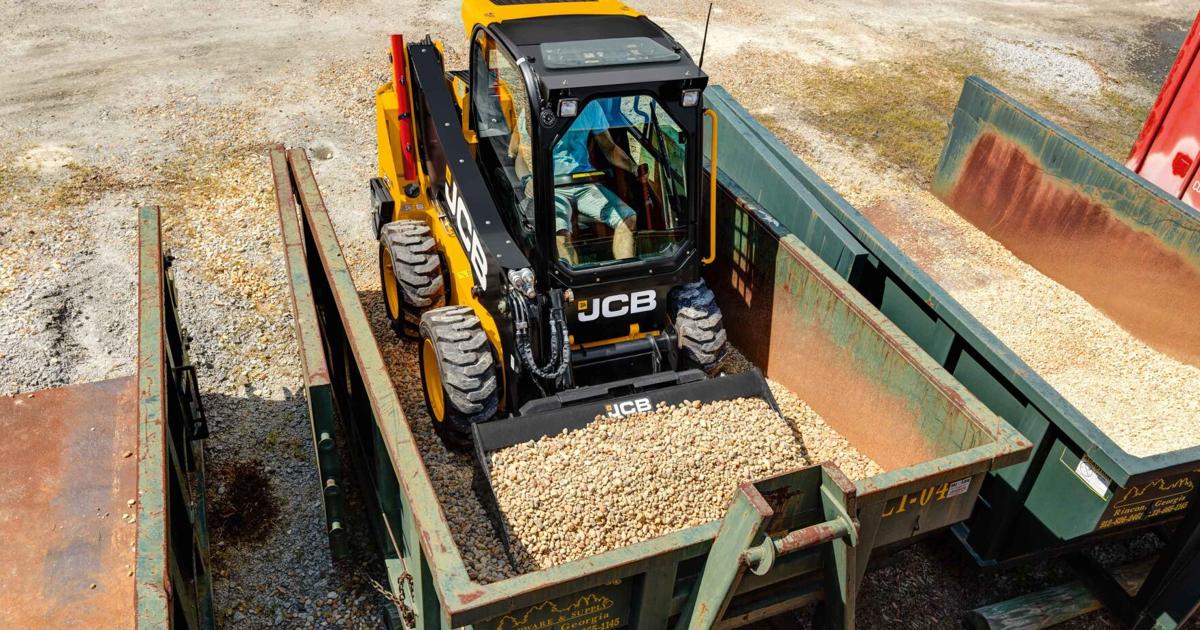
John Deere Rolls Out New AI Assistant
John Deere introduced a new AI assistant, as reported by Lancaster Farming. The AI assistant may help farmers with equipment-related tasks, though details are not provided.
Further information on the AI assistant's capabilities and availability is not yet available.
- 2
McKinsey: Japan suppliers can cover almost all humanoid robot parts
McKinsey says Japanese suppliers can provide almost all key humanoid robot components, and demand for AI processors, sensors, connectivity chips, and power-efficient semiconductors is expected to create strong opportunities through 2036. That breadth suggests Japanese component makers could capture demand across every major semiconductor layer of a humanoid robot, not just one chip, positioning them early in a market expected to create strong opportunities through 2036.
The test is whether suppliers turn this component breadth into integrated, application-specific platforms rather than selling individual parts. SEMICON Japan 2026's program places "AI x Humanoids & Allies" at the center of its semiconductor and robotics theme.
- 3
Toyota to invest 1 trillion yen a year from 2028, launches Toyota Robotics
At a Toyota Motor Europe investor briefing, CTO Hiroki Nakajima said Toyota will keep investing 1 trillion yen a year from 2028 to renew 60 existing plants and add physical-AI robots, under a new unit named Toyota Robotics. A 1 trillion yen annual commitment from 2028 signals Toyota intends to keep funding factory renewal and physical-AI robot deployment over the long term, not as a one-off project.
The spend and rollout are statements of intent starting in 2028, so the test is whether Toyota carries the 1 trillion yen a year through and how widely it deploys the robots across its plants.
- 4
Texas Instruments tipped as robotics winner on 2.2% yield
A Yahoo Finance contributor argued Texas Instruments, the analog chipmaker, will see huge demand as AI-powered robots like Tesla's Optimus take off. The stock yields around 2.2%, roughly twice the S&P 500. Analog chips turn real-world inputs into digital signals, and robots are how AI touches the physical world — so the contributor sees chip demand rising with robot adoption, not just AI software.
Texas Instruments is mid-investment-cycle building production capacity, which has pressured profitability and cash flow and left the payout ratio at 85%. Watch whether leverage stays manageable at a debt-to-equity ratio of around 0.8x.
- 5
Air Force designates FQ-42A "Vengeance," FQ-44A "Fury"
Air Force Secretary Troy Meink designated General Atomics' FQ-42A as "Vengeance" and Anduril's FQ-44A as "Fury." The concept of manned fighters controlling uncrewed drones and letting drones take on dangerous missions appears to be moving from the prototype stage toward mass production.
The plan calls for 500 aircraft, and procurement numbers will depend on the success of Anduril's Fury prototype and software contracts. Anduril has won a separate contract for autonomous flight software and is among six companies selected as candidates for the software bidding.
- 6
Tesla workers balk at training Optimus robots to replace them
The Information reported that Tesla factory workers in Texas and California wore special motion-recording suits to train Optimus robots, but some complained they "knew the robots were designed to eventually replace them," so Tesla moved the work to dedicated teams and "training hubs." The pushback suggests the human data pipeline behind Optimus — already strained by unreliable hand touch sensors and robots that need programming for specific tasks — may be harder to staff than Tesla hoped, and that its eventual labor impact is visible to the workers supplying the data.
Optimus still requires programming in carefully controlled environments, and its AI is reportedly insufficient for general uses, so the plan hinges on whether Tesla can scale it while competitors like Hyundai deploy up to 25,000 Atlas humanoid robots from Boston Dynamics.
What to Watch
Future progress will depend on whether suppliers turn today’s broad component offerings into integrated, application-specific platforms, with SEMICON Japan 2026 putting “AI x Humanoids & Allies” at the center of its semiconductor and robotics theme. The bigger tests to watch are whether Tesla can scale Optimus beyond controlled programming as Hyundai deploys up to 25,000 Boston Dynamics Atlas robots, whether Toyota follows through on about 1 trillion yen a year in robot spending from 2028 and deploys them widely across its plants, and whether Anduril’s Fury prototype and software contracts support a planned 500 aircraft.
Sources
- John Deere Rolls Out New AI Assistant and More Ag Equipment News
- 日本のヒューマノイドロボット半導体市場:AIコンピューティング、先進センサー、パワーエレクトロニクスが新たな成長機会を創出
- トヨタ、フィジカルAIロボット導入に向け新組織「トヨタ ロボティクス」立ち上げ 志賀武文 モノづくり技術本部長がリーダーに
- Prediction: Robotics Will Be the Biggest Opportunity Within the AI Supercycle. 1 Dividend Growth Stock to Own
- Anduril's $5 Billion Air Force Contract Finally Has a Name
- Tesla workers balk at training Optimus humanoid robots as replacements
- Tesla vs. Nvidia: Which Physical AI Stock Has the Bigger Robotics Payoff by 2030?
- Caterpillar partners with FieldAI to advance physical AI and autonomous robotics
- GE Aerospace Stock Gains as $225 Million Funds Physical AI
- ダイフクの世界最高水準のフィジカルAI、巨大半導体製造工場向け自動搬送システムの全体像
- ダイフク AI自律制御のロボット仕分け検証 JDSCと共同開発 | ロジスティクス | ニュース
- 日本のフィジカルAIアクセラレーターチップ市場:エッジインテリジェンス、ロボティクス・コンピューティング、主権型AIイ
- 安川・川重・ファナックが異例のタッグ データ争奪戦の号砲 国産AIモデル占う
- Amazon to invest $100M in new Indiana manufacturing facility
- Beyond the Drone and Dock: Building a System for Autonomous Operations
- Helping Drones Navigate without GPS
Share this with a friend
Send today's roundup to anyone who wants to keep up.
Get daily AI news free with AIToday
Today's AI, for Today's work. Email / LINE / Slack.
Sign up free