AI Regulation & Policy
Jun 3, 2026
The Gist
President Trump signed an executive order requiring AI companies to voluntarily share their most advanced models with the government before release, backed down from mandatory requirements after industry pushback. Companies are struggling to safely deploy AI agents (autonomous AI assistants) in real business environments, with Microsoft and others releasing new tools to help manage these systems. A global coalition led by IBM and Meta is exploring whether countries can work together to build powerful AI models instead of relying on single companies.
Today's Stories
- 1
Trump signs AI executive order requiring voluntary government reviews of advanced models
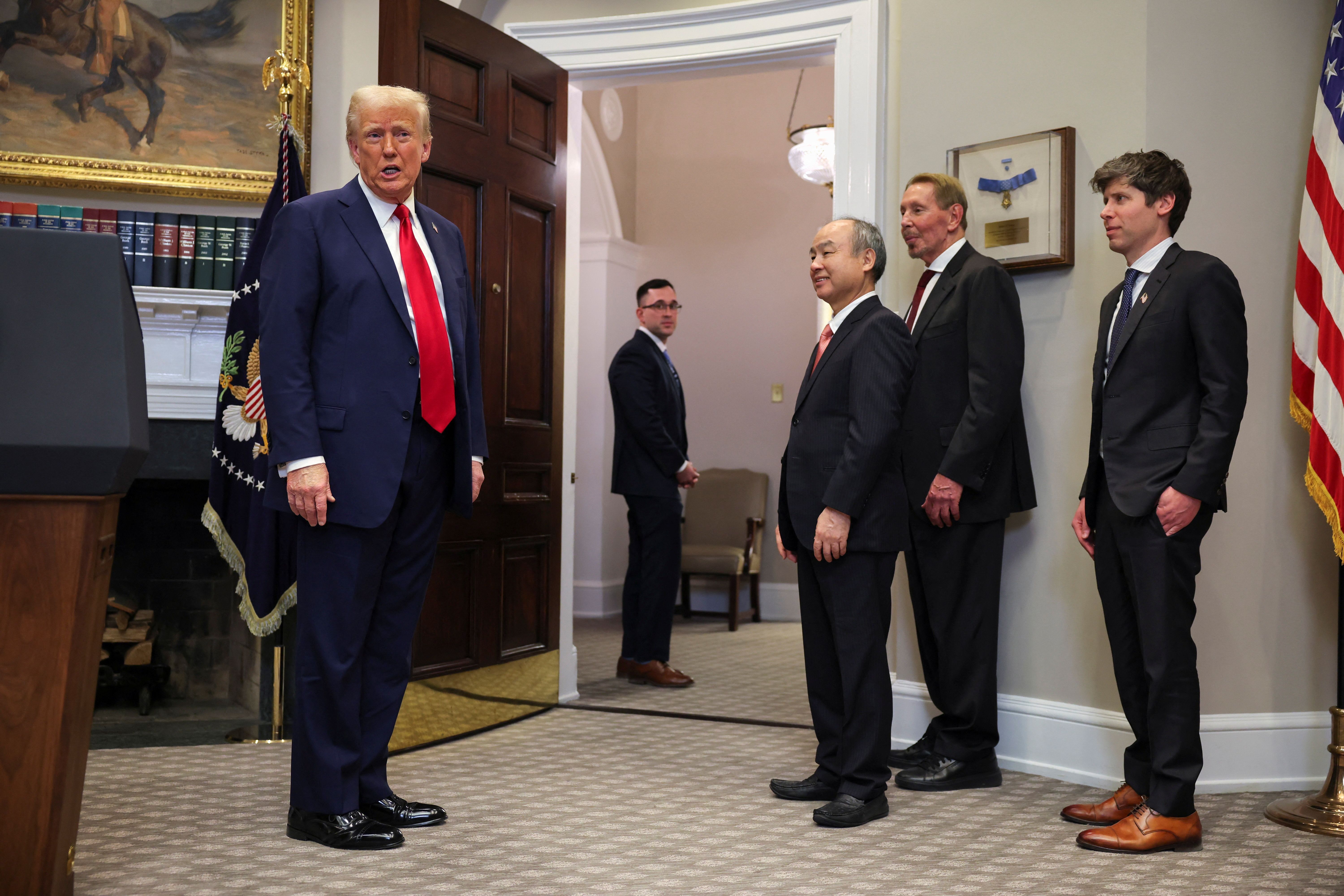
President Trump on Tuesday signed an executive order creating a voluntary framework for AI companies to share their most advanced models with federal agencies before public release. The order was revised after industry objections to make participation voluntary rather than mandatory, focusing on cybersecurity assessments rather than broader oversight.
Major AI companies like OpenAI and Anthropic may now share their newest models with government agencies before you can access them, potentially affecting when new AI features reach consumers.
- 2
Microsoft releases new tools to help developers control AI agent behavior in business settings
Microsoft introduced a specification that lets companies create portable policy files to govern how AI agents (autonomous AI assistants that can perform tasks) behave across different applications. The tool addresses growing concerns about AI agents acting unpredictably in business environments.
Companies using AI assistants for tasks like customer service or data analysis will have better control over what these systems can and cannot do, reducing the risk of unexpected behavior.
- 3
Global AI Alliance explores building powerful AI models through international cooperation
The AI Alliance, founded by IBM and Meta, published plans for Project Tapestry, which would allow countries to pool resources and expertise to build frontier-scale AI models while maintaining local control over their data. About 30 researchers from initiatives in Switzerland, India, UAE, and Singapore participated in initial planning workshops.
Countries may soon have alternatives to relying entirely on AI models from US companies like OpenAI or Google, potentially leading to AI systems better adapted to local languages and regulations.
- 4
ZeroDrift raises $10 million to create AI compliance monitoring service
Startup ZeroDrift secured $10 million in funding to develop a service that sits between AI models and users, automatically flagging and replacing any AI-generated content that might violate compliance rules. The service aims to prevent situations where AI systems produce problematic responses in regulated industries.
Companies in healthcare, finance, and other regulated industries may soon have better protection against AI systems accidentally generating content that violates industry rules or regulations.
- 5
Zip launches AI agents for procurement while addressing data security concerns
Procurement platform Zip introduced five AI agents that can review contracts, process invoices, and negotiate with vendors, while also launching tools to prevent employees from uploading sensitive business documents to personal ChatGPT accounts. The company is valued at $2.2 billion.
Business teams handling purchasing and contracts may soon have AI assistants that can automatically handle routine negotiations and paperwork, while companies get better control over sensitive data.
What to Watch
Federal agencies will spend the coming months developing frameworks for assessing AI model capabilities under Trump's new executive order, which could influence how quickly new AI features reach the public. Meanwhile, more companies are expected to announce AI agent solutions as businesses seek alternatives to current systems that struggle with real-world deployment challenges.
Sources
- Trump signs AI order after delay
- AI Alliance launches a global coalition to build sovereign frontier models, with Yann LeCun as chief science advisor
- The Agentic Reckoning: Enterprise AI organizations have a runtime problem, not a model problem — and most are building the wrong solution
- Trump signs executive order to review AI models before they’re released
- Trump signs narrower executive order on AI oversight after industry objections
- Microsoft offers devs a better way to control AI agent behavior
- Why Are So Many Agentic AI Projects Failing?
- Zip’s new AI agents want to stop your finance team from uploading contracts into personal ChatGPT accounts
- ZeroDrift raises $10 million to protect AI models from themselves
- Our views on AI policy and political advocacy
Share this with a friend
Send today's roundup to anyone who wants to keep up.
Get daily AI news free with AIToday
200+ AI sources, summarized in 1 minute. Email / LINE / Slack.
Sign up free