Autonomous Driving
Jun 1, 2026
The Gist
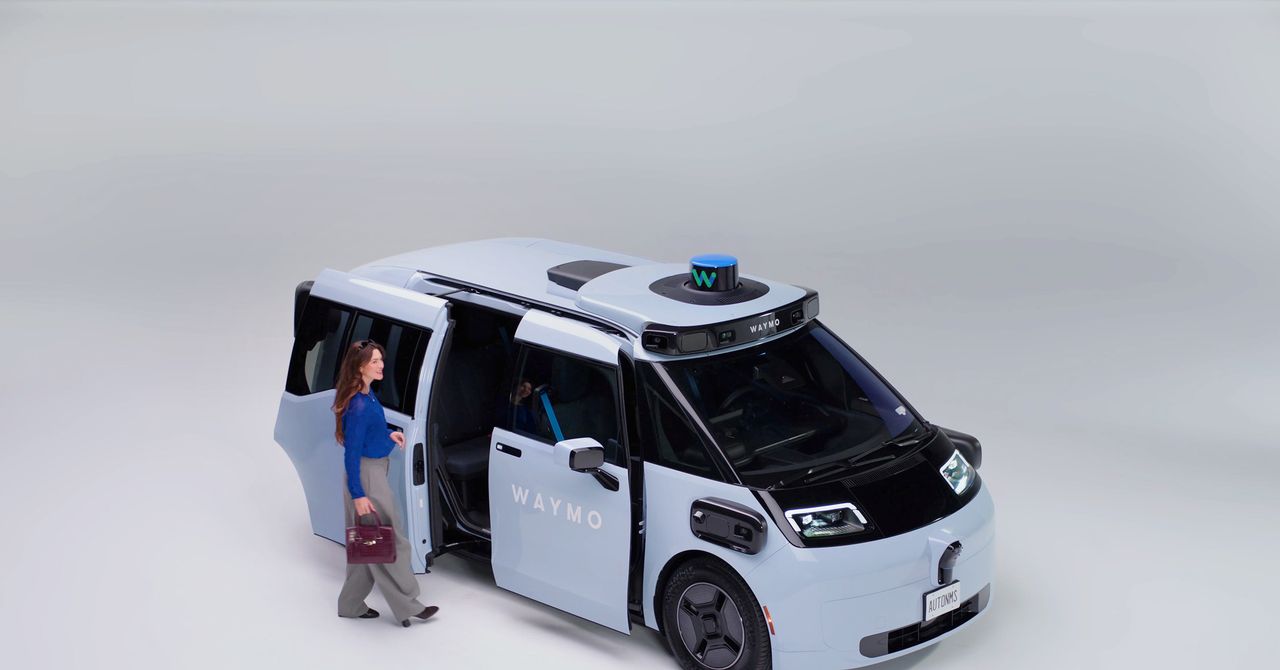
Waymo launched its new Chinese-made Ojai robotaxis for public use in California and Arizona today, while Uber announced a $10 billion partnership with Nvidia to deploy self-driving taxis in 30 cities worldwide by 2028. Meanwhile, researchers developed a tiny 7MB self-driving AI that can run on smartphones without needing massive server infrastructure.
Today's Stories
- 1
Waymo starts picking up passengers with new Chinese-made Ojai robotaxis
Waymo began public rides today using its pale-blue Ojai vehicles (self-driving taxis with no human driver) in California and Arizona. These robotaxis are manufactured in China and represent Waymo's latest fleet expansion for autonomous ride services.
People in these areas can now hail a completely driverless taxi through an app, similar to Uber but without any human driver in the vehicle.
- 2
Uber commits $10 billion to deploy robotaxis in 30 cities with Nvidia partnership
Uber Technologies announced a major partnership with Nvidia to launch self-driving taxi services across nearly 30 cities on 4 continents by 2028. The $10 billion investment will use Nvidia's AI hardware and software to power Uber's autonomous vehicle fleet expansion.
Uber riders in dozens of major cities worldwide may soon be able to book rides in self-driving cars instead of human-driven vehicles.
- 3
Researchers create 7MB self-driving AI that runs on smartphones
Scientists developed an open-source (freely available) autonomous driving AI system that weighs only 7MB and can operate on phones and small devices. The system learns navigation, lane following, and crash recovery directly from camera and sensor input without requiring massive computer servers.
This breakthrough could make self-driving technology much cheaper and more accessible, potentially enabling autonomous features in regular cars without expensive specialized computers.
- 4
Tesla's former Autopilot architect Andrej Karpathy joins Anthropic over OpenAI
Andrej Karpathy, a prominent AI researcher who previously worked at Tesla on Autopilot (self-driving car technology) and OpenAI, chose to join Anthropic (maker of Claude AI) for his return to frontier AI research. Karpathy called the next few years in large language model development especially important.
This high-profile move signals intensifying competition among AI companies and could influence how autonomous driving AI develops in the coming years.
- 5
Ouster launches Rev8 color lidar sensors for autonomous vehicles with Nvidia integration
Ouster released its Rev8 family of digital lidar sensors (laser-based distance measurement devices) that can capture native color for 3D perception in self-driving cars. The sensors are designed to work with Nvidia's autonomous vehicle platforms and target higher image quality for robotics and automotive applications.
Self-driving cars using these sensors could better distinguish between objects of different colors, potentially making autonomous driving safer and more reliable.
What to Watch
Uber's ambitious 2028 timeline for robotaxi deployment across 30 cities will test whether self-driving technology can scale globally. Watch for regulatory approvals and public acceptance as these services expand beyond current limited testing areas.
Sources
- Here Comes Ojai, Waymo’s New Chinese-Made Robotaxi
- A Tiny Open-Source Self-Driving AI That Runs on a Phone [P]
- North Korea tests mix of enhanced ballistic, cruise missiles and artillery rockets
- Cerebras Chip Sets Appear to be Optimized for LLM Use Cases
- Uber Nvidia Robotaxi Push Puts Autonomous Future At Center Of Valuation
- Jensen Huang Says Nvidia Is Powering Uber's Push Into Trillion-Dollar Self-Driving Opportunity Across 30 Cities
- Prominent AI researcher Andrej Karpathy picks Anthropic over former home OpenAI to get back into frontier LLM research
- Jensen Huang Calls It the Next Wave of AI. 5 ETFs Built for the Embodied AI Era
- Monthly Roundup #42: May 2026
- Ouster’s Rev8 Lidar And NVIDIA Tie Up Shape Valuation Debate
Share this with a friend
Send today's roundup to anyone who wants to keep up.
Get daily AI news free with AIToday
200+ AI sources, summarized in 1 minute. Email / LINE / Slack.
Sign up free