AI in Healthcare
Sep 5, 2026
The Gist
AI is moving deeper into healthcare today: insurers like Aetna and UnitedHealth are using it to simplify member experiences and boost efficiency, while investors are eyeing Pfizer, Tempus AI, and Medtronic as key AI-driven stocks. Drug discovery now depends on strong "enterprise intelligence," high-profile technologist Ray Kurzweil has joined brain-chip startup Subsense, and fresh warnings highlight AI’s role in potential bioterrorism. The takeaway: expect AI to reshape everything from routine coverage to high-stakes drug development, but the sector’s biggest near-term wins will come from proven operational gains, not futuristic promises.
Today's Stories
- 1
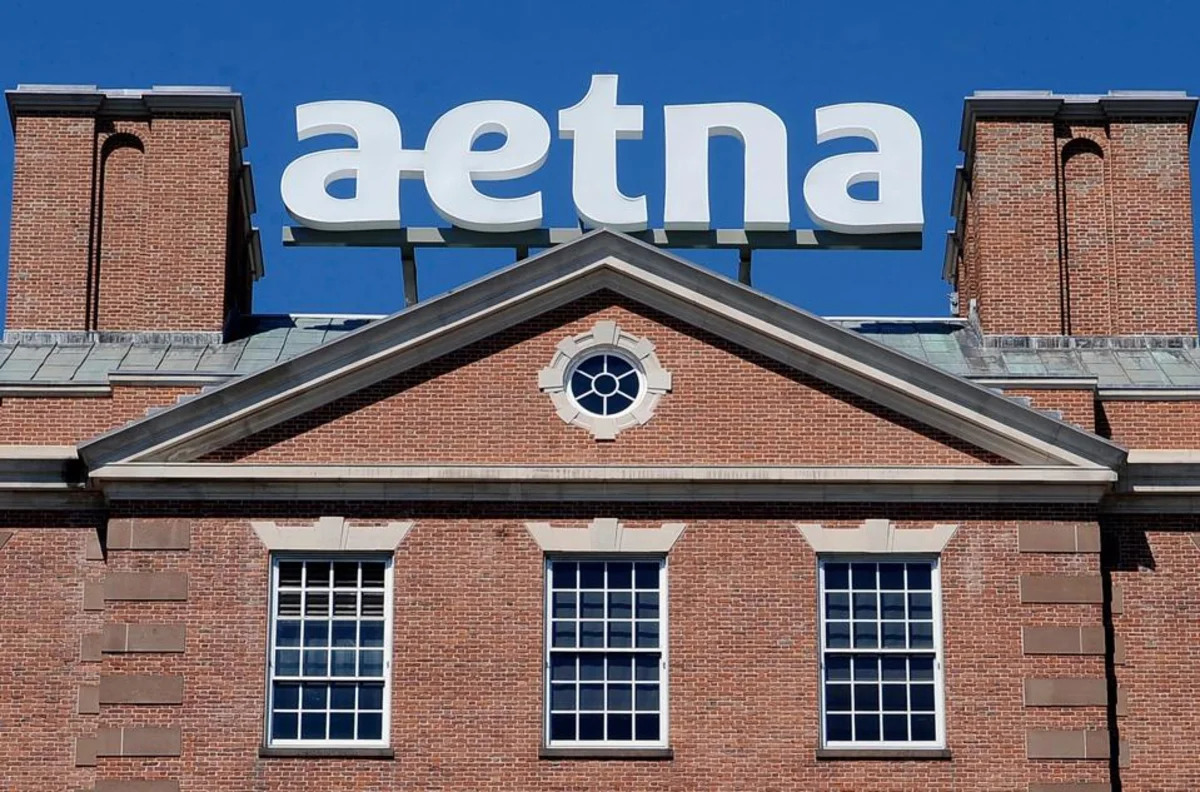
Aetna CEO: AI Makes Healthcare Simpler for Members
Aetna, the health benefits business of CVS Health, has rebuilt its cost-estimation product to cover more than 20,000 medical services, allowing members to use natural language and AI to estimate costs before receiving care. This shift has led to a major behavioral change: usage of the cost-estimation tool has risen from below 10% to nearly 70% among people using the capability before a procedure, reflecting a focus on member experience over traditional insurer priorities.
Aetna evaluates such products not just on customer metrics but on whether they help members obtain preventative care, avoid emergency room visits, or prevent more complex procedures, with the goal of making coverage, pharmacy, and care feel like one connected journey.
- 2
AI-driven drug discovery hinges on 'enterprise intelligence'
A forum report from Nikkei Biotech ONLINE argues that competitiveness in drug discovery and biotech will be decided by enterprise intelligence, not just AI data. The report suggests that companies that build organizational AI capabilities, rather than simply accumulating data, will lead in this space.
The article is an event report, not a study; the claim is an argument about the future of the sector's competitiveness.
- 3
AI visionary Kurzweil joins Subsense brain-chip startup
Ray Kurzweil, the AI scientist and Google researcher, is joining Subsense, a four-year-old Silicon Valley startup developing a brain-computer interface. The news was announced at an event in Palo Alto on Wednesday evening.
- 4
AI-driven bioterrorism threat draws warnings
Tech firms are scrambling to reduce the threat of AI-driven bioterrorism, as reported by the Financial Times. AI models, already speeding up drug discovery, also carry dual-use risks: information for vaccines could "create a bioweapon," per a Google DeepMind researcher. An AI safety expert warned of a "'Mythos' moment for AI and Bio," referencing Anthropic's model finding vulnerabilities in most software. Terrorist groups already employ AI, and assessing risks in bioscience is harder than in cybersecurity, with an immunologist warning, "All it will take is one screw-up."
Whether AI labs' current safeguards against dangerous use are enough, given the difficulty of assessing bioscience risks compared with cybersecurity.
- 5
AI healthcare stocks to watch: Pfizer, Tempus AI, Medtronic
The article highlights three AI healthcare stocks from a screener: Pfizer (PFE), Tempus AI (TEM), and Medtronic (MDT). It notes the screen surfaced 35 more AI healthcare companies not covered in the article. Higher oil prices linked to US-Iran risks are feeding inflation expectations and government bond yields, pressuring healthcare budgets and insurance costs. AI in healthcare uses data, automation, and remote monitoring to address this by doing more with less.
Pfizer's market cap is US$162.2b, Tempus AI's is US$11.4b, and Medtronic's is US$116.0b. Each company's AI efforts come with trade-offs, including debt, losses, or execution risks noted in the article.
- 6
UnitedHealth's AI potential reiterated by Bernstein
Bernstein has reiterated its rating on UnitedHealth stock, citing the company's AI potential. This reaffirmation suggests confidence in UnitedHealth's strategic direction, particularly its use of AI, which could be significant for business readers tracking healthcare innovation.
Investors and industry observers will be watching how UnitedHealth's AI initiatives translate into performance metrics in upcoming quarters.
What to Watch
Watch whether AI in healthcare moves beyond metrics to truly reshaping care delivery, and how giants like UnitedHealth, Pfizer, and Medtronic turn their AI bets into measurable results against the backdrop of unresolved biosafety risks.
Sources
- How Aetna Is Making Healthcare Simpler With AI
- AIデータ、創薬・バイオ産業の競争力は「企業知能」で決まる 「AIエージェント×AXフォーラム ~創薬・バイオ~」開催レポート
- AI visionary Ray Kurzweil is joining a Silicon Valley startup developing a brain computer system that involves snorting nano particles
- Experts warn of threats of AI bioterrorism
- Top AI Healthcare Stocks For September 2026
- Bernstein reiterates UnitedHealth stock rating on AI potential
- Trinity: Agentic AI-powered transition planning for students with disabilities
- The Early Scale: Cleveland Clinic's $50M AI Initiative Targets Patient Routing
- Walmart settles opioid dispensing claims for $50 million; CMS says it blocked $1.6 billion in suspect lab payments; teens using AI for emotional support report more distress — Morning Medical Update
- セミナーインフォが住友生命・SOMPOホールディングスが登壇する保険業界のAI活用・DXセミナーを開催
- ChatGPT Health adds Epic integration for clinicians to import patient data
- Healthcare organizations can now connect EHR and additional industry data to ChatGPT
- AI giants lean into health care to stall public backlash
- Biotech Startup Investment Held Steady Even As AI Funding Surged
- AIが生成した“存在しない病名”、研修医の44%が信用 見抜けた医師との差は? 仏大学病院が検証
- Tempus AI Stock (TEM) Opinions on Moderna Merck Cancer Vaccine News
Share this with a friend
Send today's roundup to anyone who wants to keep up.
Get daily AI news free with AIToday
Today's AI, for Today's work. Email / LINE / Slack.
Sign up free