Robotics
Aug 30, 2026
The Gist
Anthropic introduced a new Model Hardware Standard to speed up how robots connect with devices, while Hyundai's U.S. plant now runs with 1,400 robots against a 2:1 robot-to-human ratio. Robust AI shipped its 100th Carter robot and named a new CEO, and Meta is testing robots inside data centers amid industry layoffs. Automation is moving from pilots to large-scale production floors today.
Today's Stories
- 1
Anthropic unveils Model Hardware Standard for physical AI
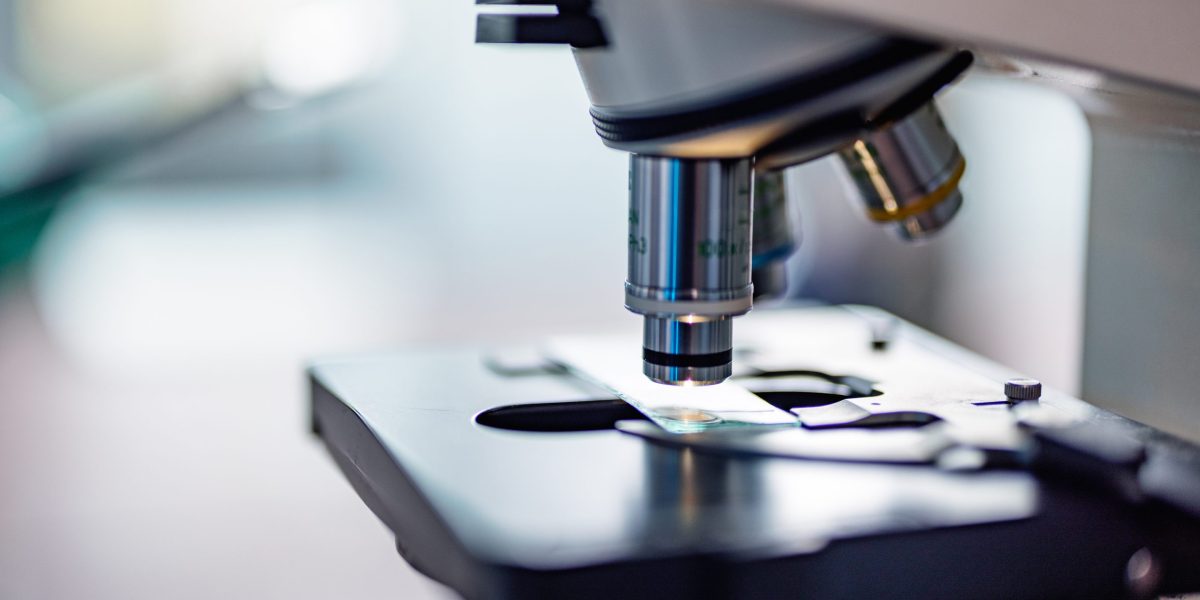
Anthropic released Model Hardware Standard (MHS) as a research preview on Thursday. It is a framework to connect LLMs like Claude to physical devices, including manufacturing equipment and microscopes. MHS lets companies integrate AI into equipment in "hours or minutes," instead of "weeks, if not months" of custom work. It is model-agnostic and works with any LLM, not just Claude, and is built on Anthropic's Model Context Protocol (MCP), an open standard from 2024.
Anthropic developed MHS with HHMI Janelia Research Campus. Partners include Genentech, Carnegie Mellon, QuEra, Universal Robots, Amazon Web Services, and others. Not all existing equipment can connect without a programming interface, so Anthropic is working with device manufacturers to build compatible products.
- 2
Hyundai's US EV plant runs 1,400 robots, 2:1 vs human
Hyundai's new US EV factory operates 1,400 robots, giving it a robot-to-human ratio of 2:1—more than triple the industry average, the article reports. The figure highlights how far leading manufacturers are pushing automation in EV production, signaling that high robot density is becoming a competitive factor in the sector, the article suggests.
The plant's reliance on robots may hint at future labor strategies and automation trends in the broader auto industry, though the article notes no explicit plans or projections.
- 3
Robust AI deploys 100th Carter robot, names new CEO
Robust AI has deployed its 100th Carter robot and named former Fox Robotics CEO Marin Tchakarov as its new CEO. CTO Rodney Brooks says a robot only counts as deployed when customers rely on it in daily operations and the company has the support infrastructure to keep it running. He distinguishes working deployments from "humanoid deployment theater."
Scaling from 100 robots to 1,000 requires more service and support staff, according to Brooks.
- 4
Meta Tests Robots in Data Centers, Tech Layoffs Near 140,000
Meta is testing robots from Watney Robotics, Kinova, and ABB at its data centers in Altoona, Iowa, and New Albany, Ohio. The robots can swap networking cables, power-cycle servers, and reseat hardware. One Meta worker said a successful cable-swapping robot could replace up to 80% of some technicians' workloads. U.S. tech companies have cut nearly 140,000 jobs in 2026, according to a Financial Times analysis. While not all layoffs are AI-related, Meta's experiment shows automation moving from software to physical tasks, potentially reducing labor costs as its capital expenditures reach $31.1 billion in Q2 2026.
Meta expects $130 billion to $145 billion in capital expenditures for 2026. Robots remain slower than humans and struggle with complicated cabling, so the technology isn't ready to replace technicians yet, but the potential is significant.
- 5
Anthropic launches Model Hardware Standard, cutting device integration time to hours
Anthropic has introduced the Model Hardware Standard (MHS), a spec that gives AI agents a unified interface to control physical devices like robotic arms and lab equipment. It is being released as a research preview for select labs and manufacturers, with an open-source release planned later. The company says MHS cuts integration time for lab equipment from weeks or months down to hours or minutes. The standard builds on Anthropic's Model Context Protocol (MCP) for software and extends that approach to machines, potentially making it easier for AI agents to work in labs and factories.
In a test at quantum computing company QuEra, a Claude-developed control program succeeded in 695 out of 700 attempts, a 99.3 percent success rate, running entirely on its own. However, Anthropic notes that Claude still struggles with physical cause and effect, and all three partner examples haven't been independently verified.
- 6
Brain Corp CTO on scaling 50,000+ robot fleet
John Black, CTO of Brain Corp, discussed scaling robot fleets and building trust in public spaces on The Robot Report Podcast. Brain Corp has commercialized over 50,000 autonomous mobile robots (AMRs), which have logged more than 25 million hours of safe operation. Black's experience highlights the challenges and importance of deploying large fleets of robots in real-world environments, where safety and reliability are critical. His background as a TÜV Rheinland-certified functional safety engineer underscores the emphasis on safety standards.
The podcast also covered news including XPeng's humanoid robot unit Dogotix raising $900M, Generalist adding $200M in funding, NVIDIA's Jetson Orin Nano 2 doubling inference performance for edge robotics, and Symbotic taking No. 1 in warehouse automation per Interact Analysis.
What to Watch
Watch for whether Anthropic’s MHS partnerships translate into real, verifiable robot control in factories and labs, and how quickly device makers close the compatibility gap. Also keep an eye on whether the auto industry’s quiet robot reliance becomes a stated labor strategy, and whether mega-spending from Meta and others starts shifting human technicians toward robot oversight instead of hands-on work — though human dexterity and judgment remain the bottleneck for now.
Sources
- Anthropic makes first move into physical AI with new way for scientists, manufacturers to bring equipment to life
- 米の現代自EV工場で見たロボ1400体 対ヒト比率は平均の3倍超の2:1
- Rodney Brooks on the Realities of Deploying Robots
- Meta Continues to Trade Jobs for AI: Robots Are “Coming For Us All”
- Anthropic wants to do for physical hardware what its Model Context Protocol did for software
- From teach and repeat to SelfPath AI: The next robotics leap
- Deere faces headwinds in Q3 update and announces Reservoir R&D partnership
- パナソニック ホールディングス 技術部門を再編 AI核に事業変革を加速
- Amazon (AMZN) is About to 6X Its Drone Delivery Footprint to Compete With Rivals Like DoorDash (DASH)
- 「国産ヒューマノイド」の作業風景を生配信中、3時間以上経過 「ベルトコンベヤーも自作」 アトム
- Japan to incorporate AI into the handling of emergency calls
- Hugging Face、あひる型ロボット「Microduck」発表 399ドルで予約開始
- Anthropic、AIで物理機器を制御する共通規格「MHS」発表 将来オープンソース化へ
- Anthropic tests new way for Claude to work with robots and scientific lab tools
- Anthropic previews MHS standard for AI agents that operate machines
- Honor Robot Phone enters mass production, making robotics central to its premium AI strategy
Share this with a friend
Send today's roundup to anyone who wants to keep up.
Get daily AI news free with AIToday
Today's AI, for Today's work. Email / LINE / Slack.
Sign up free