Autonomous Driving
Sep 3, 2026
The Gist
Tesla’s robotaxi push is getting a big endorsement from ARK Invest, which predicts a market 60 times larger, though Uber could end up a major winner. Meanwhile, Toyota is moving toward AI-driven driving support by 2028, and companies like Caterpillar and Turing Drive are applying autonomous tech to jobsites and logistics. The near term will see specialized, task-specific automation expand fastest, with large-scale consumer robotaxis arriving later.
Today's Stories
- 1
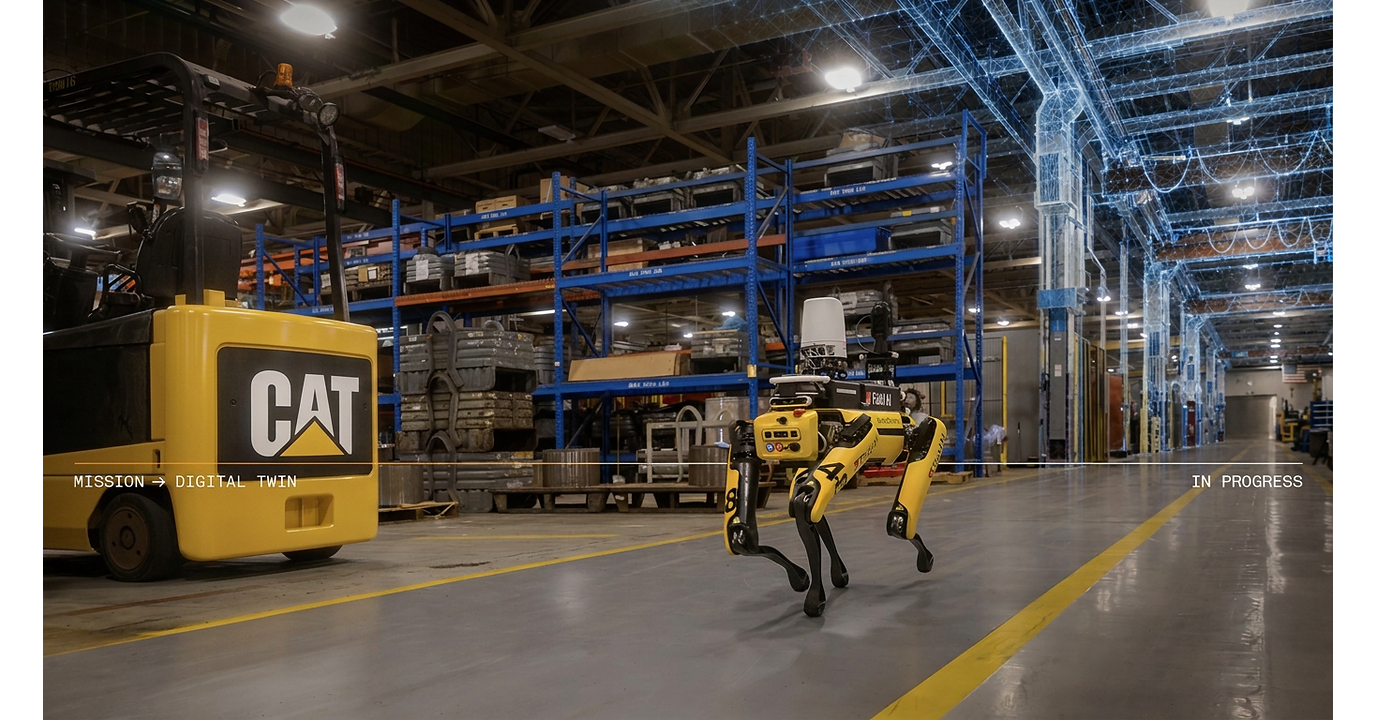
Caterpillar, FieldAI Partner on Physical AI for Jobsites
Caterpillar is collaborating with FieldAI to advance physical AI, autonomy, and robotics for jobsites and factories. The partnership will use FieldAI's robot foundation models and NVIDIA technologies to create digital twins and enable autonomous inspections. The collaboration aims to address labor shortages and productivity demands by improving decision-making, safety, and operational efficiency. It combines Caterpillar's industry expertise with FieldAI's AI to help customers get more value from every operation.
Early applications include autonomous inspections, digital twins for real-time insights, enhanced situational awareness, and operational optimization. FieldAI says its deployments span hundreds of sites worldwide.
- 2
Toyota AI driving support in 2028
Toyota is planning to introduce AI driving support in 2028. The article discusses this system without using the term 'self-driving'. For busy business readers, this distinction matters because AI driving support may imply a different level of driver involvement compared to fully autonomous vehicles, potentially affecting regulatory and liability considerations.
Keep an eye on Toyota's specific features and the exact scope of the AI support, as these could differentiate it from existing driver-assist technologies.
- 3
Tesla Robotaxis 60x Bigger, ARK Says; Uber May Win
ARK Invest, led by Cathie Wood, predicts Tesla could make robotaxis 60x bigger. Gary Black disagrees, saying Uber should win easily. The debate highlights different views on autonomous ride-hailing. Tesla's growth depends on its own robotaxi fleet, while Uber benefits from multiple AV operators on its platform.
How Tesla's robotaxi plans unfold compared with Uber's multi-operator strategy.
- 4
Suntory Logistics, Toyota Industries to Test Forklift with Switchable Forks
Suntory Logistics and Toyota Industries announced on September 1 that they will begin a demonstration test in November this year at the Suntory Logistics Urawa-Misono Distribution Center in Saitama City, using Toyota Industries' automated driving forklift "Rinova Autonomous" equipped with a multi-load handler that can switch between two and four forks. This is described as Japan's first automated driving forklift for truck loading with a multi-load handler using 3D-SLAM guidance. The test aims to verify precision, stability, and practical responsiveness when transporting different numbers of pallets, potentially automating the entire forklift workflow from unloading to loading—a step toward addressing chronic labor shortages and aging in the logistics industry.
The companies aim for actual operation from September 2028 onward, with the operation location yet to be decided. The demonstration will assess whether switching fork counts on a single forklift can meet the need for flexible truck loading automation.
- 5
CrowdStrike unveils SafeMind, autonomous red teaming
CrowdStrike Holdings Inc. introduced SafeMind at its Fal.Con 2026 keynote in Las Vegas. SafeMind is a pair of AI models—Red Tempest for offense and Blue Solano for defense—built with Nvidia Corp.'s Nemotron models out of a new Cyber Superintelligence Lab. SafeMind works in a closed loop: Red Tempest probes a digital twin of a customer's environment inside Nvidia's simulation technology for attack paths, and Blue Solano remediates them until none remain. This aims to eliminate "breakout time," the minutes an attacker needs to move from initial foothold to lateral movement, which CrowdStrike's George Kurtz said has effectively hit zero.
CrowdStrike's George Kurtz said breakout time has gone from two minutes to 72 seconds, down to 30 seconds, and now "it's done. It's just runtime." SafeMind runs natively inside the Falcon platform, with standalone access offered through CrowdStrike's Project QuiltWorks program.
- 6
Turing Drive 8th anniversary: Physical AI opens new doors for Taiwan firms
At Turing Drive's eighth-anniversary press event, partners Vecow and oToBrite discussed how advances in AI, sensing, and semiconductors are expanding opportunities in vehicle computing, machine vision, and Physical AI. The event highlights Taiwan-based firms' roles in the evolving autonomous driving and robotics sectors, where vehicle computing and machine vision are key growth areas.
Watch how these partners capitalize on the momentum in autonomous driving and Physical AI, potentially opening new business avenues for Taiwan companies.
What to Watch
Watch for how early autonomous systems scale beyond pilot sites, and whether Toyota's AI features or Tesla's robotaxi timeline truly set them apart from rivals like Uber—while the 2028 demo will reveal if flexible automation can handle real-world loading demands.
Sources
- Caterpillar and FieldAI Advance AI-Powered Industrial Innovation
- トヨタが2028年に入れるAI運転支援、「自動運転」と何が違うのか #エキスパートトピ(いしたにまさき) - エキスパート
- Tesla Could Make Robotaxis 60x Bigger, Cathie Wood’s ARK Says — But Gary Black Thinks Uber Will Win The Race
- サントリーロジと豊田自動織機が国内初、爪の数を切り替え可能なトラック荷役対応自動運転フォークリフトの実証開始へ
- Breakout time hits zero as CrowdStrike unveils autonomous red teaming: theCUBE’s Fal.Con 2026 day one keynote analysis
- Autonomous driving expands into Physical AI, creating new openings for Taiwan firms
- 日本の自動運転求人「ほぼトヨタ系」って本当?
- トヨタ自動車が2028年にレベル2++の自動運転を導入開始、カローラ・ヤリスから(ビジネス+IT)
- The end of the driver’s license: Uber exec calls car ownership ‘the most inefficient asset’ and says no one will need one in 15 to 20 years
- My Autonomous AI agent set up a race with my "human" son
- Chinese robotaxis head for Seoul as Pony.ai and FutureLink plan a 200-vehicle fleet
- トヨタ自動車 市販乗用車に「ほぼ操作の必要ない」自動運転技術を搭載 2028年から
- KDDIとみちのりHD、5GネットワークをAIで自動最適化 日立市の自動運転バスで検証へ(ITmedia Mobile)
- 片山さつき氏「Google不要の自動運転」を絶賛
- Amazon.com (AMZN) Triples AI Chip Orders As Robotaxi Supplier Network Expands
- AI almost sent hazmat train barreling toward ‘catastrophe’ in Eastern WA
Share this with a friend
Send today's roundup to anyone who wants to keep up.
Get daily AI news free with AIToday
Today's AI, for Today's work. Email / LINE / Slack.
Sign up free