Autonomous Driving
Jun 22, 2026
The Gist
AWS is highlighting physical AI applications in drug discovery through Self-Driving Lab technology at its 2026 Healthcare & Life Sciences Summit, while Waabi CEO Raquel Urtasun argues that adaptable Gen Z workers rather than industry veterans are key to advancing autonomous systems and AI transformation. Meanwhile, Claude Code's approval workflow is creating friction among users who struggle to meaningfully evaluate AI decisions without better transparency and preview capabilities.
Today's Stories
- 1
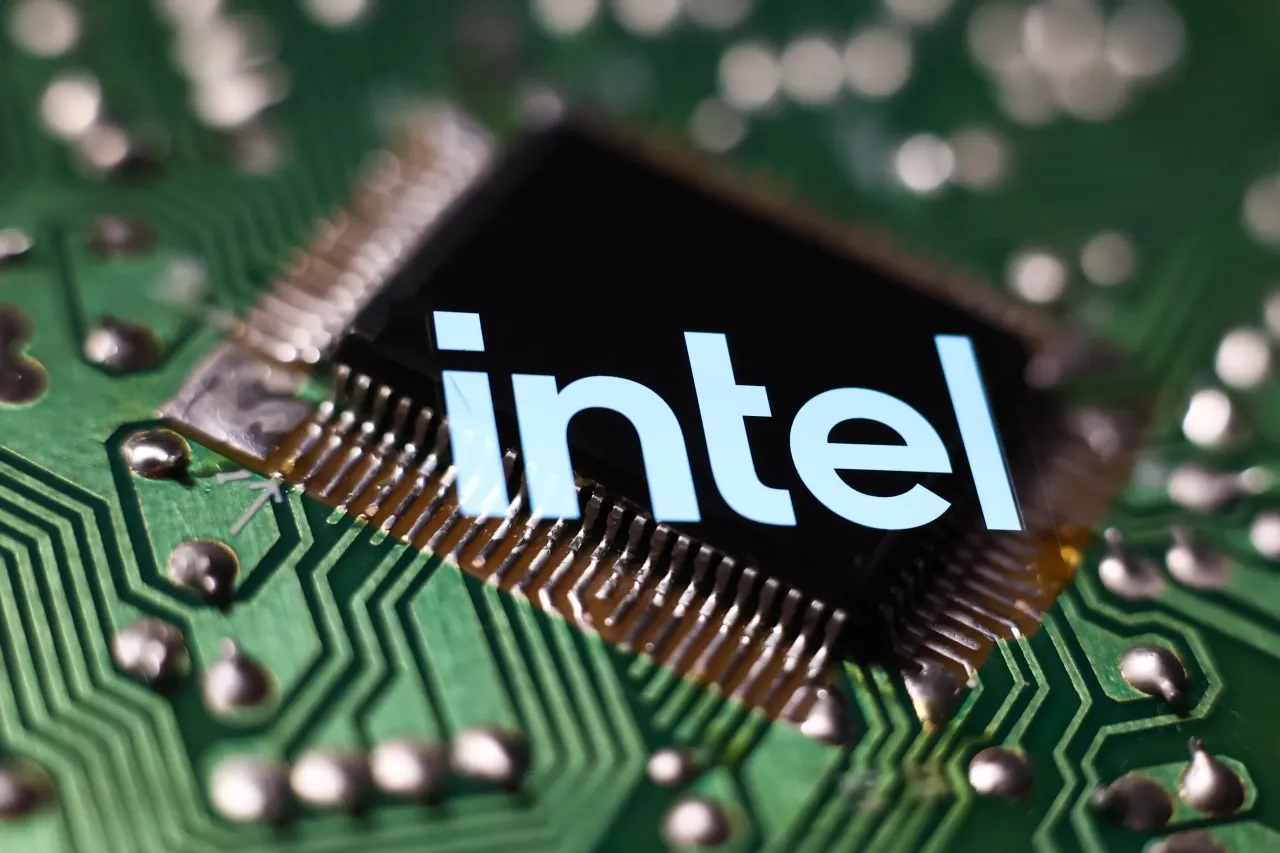
Tech stocks rallied on AI infrastructure demand and U.S. chip strategy, as Apple-Intel partnership and major M&A deals signaled growing focus on domestic semiconductor capabilities.
Intel gained nearly 5% after President Trump announced Apple would collaborate with the company on U.S.-based chip development and manufacturing. Separately, Nebius completed its acquisition of AI optimization specialist Eigen AI and posted a 10% weekly gain, while RUM Group finished its purchase of Germany-based Northern Data and launched its Quake AI platform. Ondas announced its sixth acquisition of 2026, agreeing to buy Cyberhawk for about $125 million(約200億円) to expand its drone inspections and critical infrastructure monitoring capabilities. Investors are watching companies that control hardware for AI computing and domestic chip production as governments and corporations prioritize securing their own semiconductor capabilities. The flurry of deals and partnerships reflects a strategic shift toward building AI infrastructure at scale and reducing reliance on overseas manufacturing, which appears to be reshaping where investors see long-term demand.
While most semiconductor and AI infrastructure stocks declined during the week—UBER, TSLA, and ASTS fell between 1% and 7%—retail investor interest surged on some names (RUM message volume jumped 86%, MRVL message volume up 12%). Geopolitical tensions between the U.S. and Iran also lingered, though negotiators reported meaningful progress during talks in Switzerland on Monday, with hopes to finalize a broader agreement within the next two months.
- 2
Stratechery is a subscription-based news and analysis service offering daily business technology coverage, podcasts, and interviews — not a news story requiring summary.
The article body provided is a subscription landing page describing Stratechery's offerings (daily updates, interviews, and podcasts) and FAQ, not a news article about a business event or announcement. There is no news event to analyze. The body contains only service descriptions, pricing ($15/month or $150/year), and subscription management instructions — it does not report a change, announcement, or development in business or technology.
No forward-looking claim or date is present in the body. To produce a meaningful summary, a news article body (not a service landing page) is required.
- 3
🔬 The Self-Driving Lab — Joseph Krause, Radical AI
🔬 The Self-Driving Lab — Joseph Krause, Radical AI
- 4
AWS is showcasing Self-Driving Lab technology at AWS Summit 2026 Healthcare & Life Sciences, highlighting how physical AI is transforming drug discovery.
AWS is presenting Self-Driving Lab — a physical AI system — as part of its Healthcare & Life Sciences offerings at AWS Summit 2026. The demonstration focuses on how this technology applies to drug discovery workflows. Self-Driving Labs represent a shift in how pharmaceutical and life sciences companies can approach research and development. By automating and accelerating laboratory processes through AI, organizations in this sector may be able to reduce time and resource constraints in drug discovery.
This is part of AWS's broader Healthcare & Life Sciences portfolio. Visitors to the AWS Summit 2026 Healthcare & Life Sciences booth can see the Self-Driving Lab technology in action, making it a direct way for industry practitioners to evaluate the capability firsthand.
- 5
Claude Code's human-approval workflow frustrates users who find themselves rubber-stamping decisions they don't fully understand, unable to preview outcomes or ask clarifying questions.
Users report that Claude Code's approval system requires them to say yes or no to proposed actions—such as database migrations—without being able to preview what will actually happen, ask follow-up questions about side effects, or forward decisions to specialists like database administrators. The repetitive approval loop defeats the purpose of AI assistance. Users report hitting 'yes' on autopilot while real work waits, and the system does not retain context across sessions (for example, repeating a pip-install suggestion even after a user has previously chosen uv sync in the same project). This means the tool demands constant human attention without learning from prior decisions.
The core friction points are lack of preview visibility before committing to an action, no way to ask clarifying questions mid-approval, and no routing mechanism to hand off decisions to appropriate teammates—users' only options are approve, reject, or leave the tool to contact a colleague on Slack.
- 6
Waabi CEO Raquel Urtasun, who has raised over $1 billion(約1600億円) for her autonomous trucking company, argues that Gen Z workers with adaptability and curiosity—not decades of industry experience—are the talent driving AI transformation.
Raquel Urtasun, cofounder and CEO of autonomous trucking unicorn Waabi, told Fortune she prioritizes hiring young workers who are versatile and eager to learn over candidates with 20 years of industry experience. Her company, launched in 2021 and funded through a recent Series C round co-led by Khosla Ventures, is already testing autonomous trucks with Volvo. Urtasun, who worked with Geoffrey Hinton in academia and headed Uber's self-driving division before founding Waabi, believes the most valuable skill is not mastery of a single specialty but the ability to learn and adapt as technology evolves. She views the current AI era as an opportunity rather than a threat to workers entering the job market.
Waabi's autonomous trucks are already in road testing with Volvo, demonstrating progress toward a driverless future. McKinsey's recent survey found expectations for fully autonomous long-haul trucking have continued to slip, with timelines now stretching closer to the end of the decade—the competitive and regulatory landscape that will determine how quickly Waabi's technology reaches deployment at scale.
What to Watch
Watch for continued volatility in autonomous driving-related stocks as geopolitical tensions persist and retail investor sentiment shifts, while real-world deployment timelines for autonomous trucking appear to be extending toward the end of the decade despite progress in road testing. The regulatory environment and competitive landscape will be critical factors determining whether companies like Waabi can accelerate their commercialization beyond current industry expectations.
Sources
- Why Retail Traders Couldn’t Take Their Eyes Off These Stocks Last Week: INTC, RUM, NBIS, ASTS, ONDS
- An Interview with Michael Morton About E-Commerce in the Age of AI
- 🔬 The Self-Driving Lab — Joseph Krause, Radical AI
- フィジカルAIで創薬が変わる Self-Driving Labのご紹介 | AWS Summit 2026 Healthcare & Life Sciences ブース
- HITL in Claude Code is too noisy and repetitive
- The ‘AI superstar’ CEO behind a self-driving truck unicorn on why Gen Z is a better hiring bet than industry veterans
- Qualcomm’s AI Ecosystem Extends To Humanoid Robots And Autonomous Vehicles
- フィジカルAIで創薬が変わる Self-Driving Labのご紹介 | AWS Summit 2026 Healthcare & Life Sciences ブース
- Decart’s Oasis 3 world model streams realism into robotic training environments
- Tesla Stock: FSD Approved In Denmark; Elon Musk Says This About AI Chips
Share this with a friend
Send today's roundup to anyone who wants to keep up.
Get daily AI news free with AIToday
200+ AI sources, summarized in 1 minute. Email / LINE / Slack.
Sign up free