← 記事一覧に戻る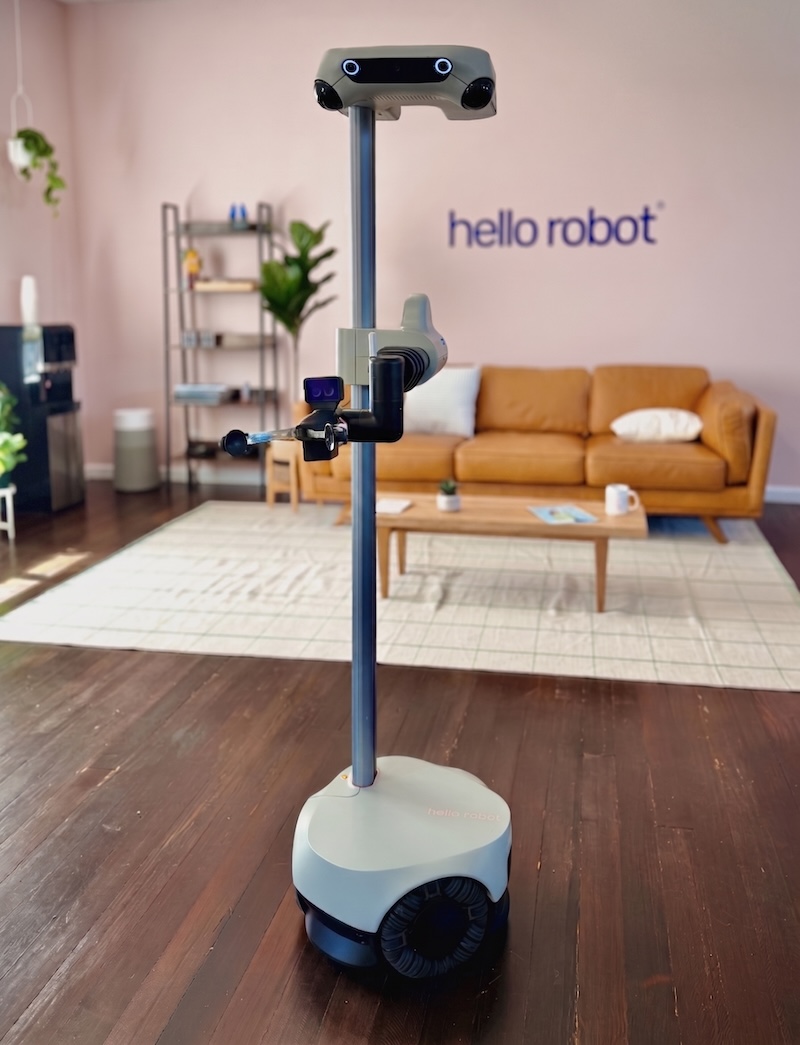


AI-generated code threatens to collapse open source licensing by making copyright unenforceable, as AI model costs drop toward zero and enable rapid reimplementation of licensed projects.
Hacker News · 2026年5月12日
AI要約
- •AI-generated code cannot be copyrighted under U.S. law, per the D.C. Circuit's Thaler v. Perlmutter ruling and U.S. Copyright Office confirmation that AI prompts do not constitute sufficient human authorship. This breaks the copyright-based enforcement chain that sustains open source licenses.
- •AI enables rapid reimplementation of open source projects: Dan Blanchard rewrote the Python chardet library with Claude Code in days to sidestep LGPL obligations—a project that would historically have taken a team months. MALUS.sh launched as a 'clean room as a service' tool that generates functionally equivalent clones stripped of license obligations.
- •Open source maintainers face ambiguously authored codebases once AI-generated contributions enter repositories. Gentoo bans AI-generated code outright; NetBSD classifies it as tainted code requiring core developer approval; the Linux kernel allows it but mandates disclosure and full human accountability. As AI quality improves, quality-based rejection becomes harder to justify.
関連記事
オープンソースAI
記事本文を受け取っていません。ニュース要約を作成するには、記事本文が必要です。
Robotics & Automation News·2026年5月12日
オープンソースAI
Aviz Networks and Red Hat announce collaboration to simplify orchestration and operations of AI factory network infrastructure
Yahoo Finance AI·2026年5月12日
オープンソースAI
White Circleがパリのスタートアップとして$11 millionの資金調達を実施、デプロイ後のAIシステム制御ツール提供へ
Fortune AI·2026年5月12日
オープンソースAI
GoogleがAIで開発されたゼロデイ脆弱性を発見・阻止したと発表
The Verge AI·2026年5月11日
オープンソースAI
BaseLedger、AIエージェント向けオープンソースAPIクォータファイアウォールをリリース
Hacker News·2026年5月11日
AIニュースを毎日お届け
200以上のソースから厳選したAIニュースを毎日無料でお届けします。
無料で始める