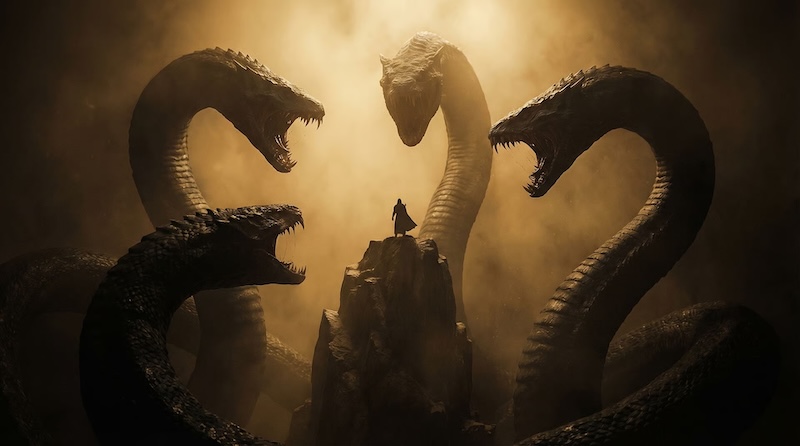
AI is accelerating character design by letting creators test multiple visual directions and place characters in different environments much faster than traditional manual development.
Rather than replacing human creativity, the technology works best as a brainstorming partner—generating possibilities while human judgment decides which concepts have a compelling story and distinctive identity worth developing.
The main challenge is maintaining visual consistency across full projects and avoiding generic aesthetics that make AI characters forgettable.
What happened
AI tools are now helping creators explore character concepts, visual styles, and environments faster than traditional methods—allowing designers to test multiple directions before committing to a final design, and to visualize characters across different scenes, settings, and storytelling contexts.
Why it matters
Character development has historically been time-consuming and linear; AI experimentation layers let creators ask "what should this character actually look and feel like?" before investing in full refinement. The tools apply beyond entertainment to branding, education, and marketing, where consistent digital characters can strengthen a brand's communication strategy. However, maintaining visual consistency across dozens of scenes and settings remains the real challenge—and generic aesthetics are a growing risk as AI-generated imagery becomes more common.
What to watch
The future likely involves complete character systems that span design, expressions, poses, environments, story scenes, and animation—turning a single character concept into a foundation for entire creative universes. Success will depend on whether creators use AI to expand possibilities while their own judgment determines which possibilities become memorable stories, rather than treating technical quality alone as the measure of a character's impact.
Ask the AI about this article →
AI character design tools represent a shift in the creative workflow rather than a replacement of human creativity. Traditionally, character development followed a linear path from initial sketches through gradually refined concept art, a process that consumed significant time when multiple directions needed exploration. By introducing an experimentation layer early in development, AI allows creators to rapidly test visual combinations—distinctive coats, hairstyles, color palettes, facial expressions, and accessories—before committing resources to a final design. This exploratory approach surfaces ideas creators might not have initially considered, positioning AI as a brainstorming partner that helps answer fundamental questions about character identity.
The real complexity emerges once a basic design is established. A film, game, comic, or marketing campaign may require a character to appear in dozens of scenes across different environments, lighting conditions, poses, and emotional states. Maintaining visual consistency and recognizability under these variations demands disciplined creative workflows—defined visual characteristics, consistent prompting strategies, and careful editing—rather than relying on isolated image generation. Simultaneously, the proliferation of AI-generated imagery has created a new risk: visual sameness. Many AI characters share similar aesthetics, facial structures, and compositions, making distinctiveness harder to achieve through technical quality alone. A memorable character instead requires concept, unusual proportions, strong personality traits, cultural detail, storytelling context, and unique visual motifs.
The emerging frontier is complete character systems—unified pipelines spanning design, expressions, poses, environments, story scenes, and animation—that allow a single concept to become the foundation for entire creative universes. In this model, AI expands the visual possibilities while human creative judgment determines which possibilities are worth developing into a compelling narrative. The technology has already moved beyond entertainment into branding, education, and marketing, where consistent digital characters strengthen communication strategies. The future of character creation will likely hinge not on how technically impressive AI-generated images are, but on whether creators use AI to explore richer possibilities while maintaining the distinctive identity and story that makes audiences remember a character.
AI-summarized, only the topics you pick — one digest a day via Email, Slack, or Discord.
Free · takes 30 seconds · unsubscribe anytime
Ask AI anything about this article. Q&As are published on this page for other readers too.

