What happened
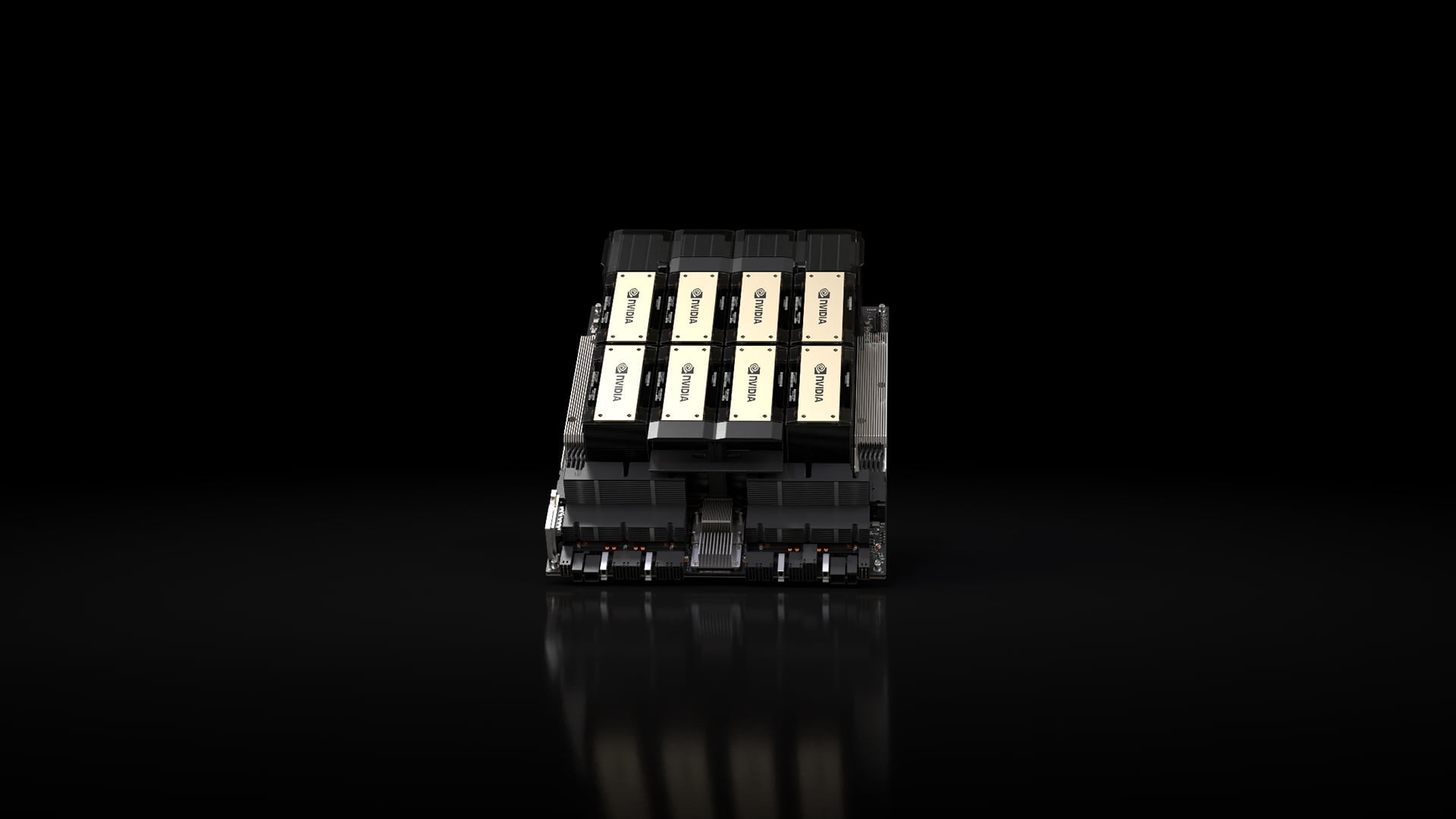
China is allowing small shipments of Nvidia's H200 processors into the mainland to support domestic AI companies. ByteDance and Tencent each received around 10,000 H200 chips, with more companies potentially receiving allocations soon. The H200 is at least two generations behind Nvidia's most powerful chips, which are blocked from China by US export controls.
Why it matters
Chinese AI labs have released competitive models (DeepSeek V4, Alibaba's Qwen3.8, Moonshot's K3, and Z.ai's GLM-5.3) but lack the inference capacity — the computing power needed to serve users at scale — that US providers command. When demand surged, Moonshot had to turn customers away, signaling a real bottleneck. The H200 allocation lets domestic firms narrow this gap while staying within US export rules, which permit up to 100,000 H200s per company.
What to watch
Purchases require sign-off from China's NDRC planning agency, and shipments to Hong Kong are also allowed, though the city lacks sufficient data centers and power to absorb large volumes. Nvidia holds around half a million H200s in stock. Beijing is signaling it will continue backing domestic chip makers like Huawei in parallel.
Summaries like this, in your inbox every morning.
China's decision to permit H200 shipments reflects a pragmatic accommodation within US export restrictions. Rather than ban all advanced Nvidia chips to China, US policy allows the H200 — an older generation — up to 100,000 units per company. China is leveraging this window to equip its leading AI firms while avoiding direct breach of sanctions. The move is targeted: purchases require approval from China's NDRC planning agency, and Beijing is simultaneously backing domestic alternatives like Huawei.
The underlying constraint is not model quality but inference capacity. Chinese AI labs have demonstrated technical parity or near-parity with US models: Alibaba's Qwen3.8, DeepSeek's V4, Moonshot's K3, and Z.ai's GLM-5.3 represent genuine competitive offerings. However, inference — the real-time compute needed to serve millions of users — requires massive hardware infrastructure. Moonshot's inability to accommodate surging customer demand despite a technically strong model illustrates the gap. By allocating H200s to ByteDance and Tencent, China is addressing this capacity shortfall directly, buying time while domestic chip development and manufacturing (led by Huawei) matures.
Pick your industry and the AI tools you use, and get news related to your work every day.
Free · 30 seconds with Google · unsubscribe anytimeWhat is AIToday? →
Ask AI anything about this article. The AI reads this article, earlier AIToday articles, and Wikipedia, and cites its sources. Q&As are published on this page for other readers too.
Hewlett Packard Enterprise stock is down 5% at $55.87
The Motley Fool argues Amazon is the AI company of the two, since AWS was just 21% of first-half 2026 revenue…

Vercel data published Thursday shows TypeSafe AI's Jev, a lightweight decision model for choosing among predet…
Chunghwa Telecom president Rong-shy Lin said the shift from conversational AI to autonomous AI agents is resha…
CoreWeave fell 5% in premarket trading Friday and was on track to finish the week down 15%, after rebounding f…
Apple and Meta said they would jointly release a new open-weight AI model designed to run on high-end Macs, ai…