What happened
Peter Koerte, CEO of Siemens's Smart Infrastructure division, said Siemens's in-development Industrial Foundation Model could shorten engineering cycles by up to 40%, with use cases foreseen in automotive and aerospace.
Why it matters
Koerte argues industrial models, taught on manufacturing and engineering data, suit precise engineering work where large language models' imprecise words do not work, making this a bet on Europe's manufacturing data.
What to watch
The model is still in development, so the 40% figure is a potential, not a delivered result, and the plan hinges on whether companies such as BMW or AstraZeneca will trust Siemens with their data.
WHO IT HITSSiemens's plan lands on European manufacturers in pharma, automotive, and chemicals whose decades of plant data Koerte is courting, and on engineering teams that would use such a model if it ships.
Summaries like this, in your inbox every morning.
Koerte's pitch rests on a mismatch he sees between Europe's weak position in the broader AI race and its strength in industrial data. U.S. private AI investment reached $285.9 billion in 2025 against $20.9 billion in Europe, and the closest Europe comes to a trillion-dollar company is ASML at a $670 billion market cap. His answer is to compete where the data is old and proprietary: industrial processes.
That strategy runs through trust as much as technology. Koerte says over half of Fortune 500 Europe companies are more than 100 years old, giving the continent the largest install base of manufacturing data, but he acknowledges firms like BMW or AstraZeneca will not put that data on the internet. Siemens, founded in 1847, is betting its decades-old relationships and a training-only arrangement, with ownership retained by the data's creator, can bridge that gap.
The tension is that Siemens is deepening U.S. ties, working with Nvidia on an industrial AI operating system, even as the European Commission pushes a tech sovereignty package to reduce reliance on non-EU digital infrastructure. Koerte calls complete sovereignty a pipe dream, and CEO Roland Busch has warned of a "digital iron curtain." Whether Koerte's collaboration-first view prevails may depend on how many manufacturers actually sign up to share data, and on whether the model delivers on its promised engineering gains once it leaves development.
Pick your industry and the AI tools you use, and get news related to your work every day.
Free · 30 seconds with Google · unsubscribe anytimeWhat is AIToday? →
Ask AI anything about this article. The AI reads this article, earlier AIToday articles, and Wikipedia, and cites its sources. Q&As are published on this page for other readers too.
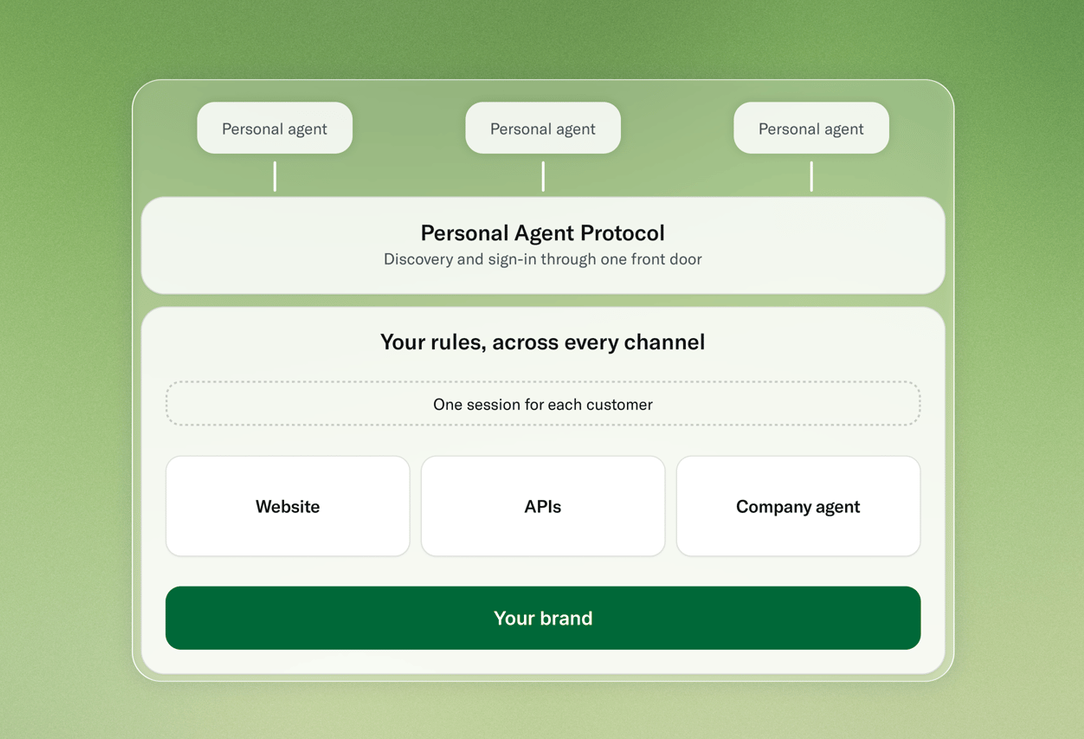
Meta, Walmart, Stripe and Sierra Technologies are creating the Personal Agent Protocol, introduced by Sierra c…
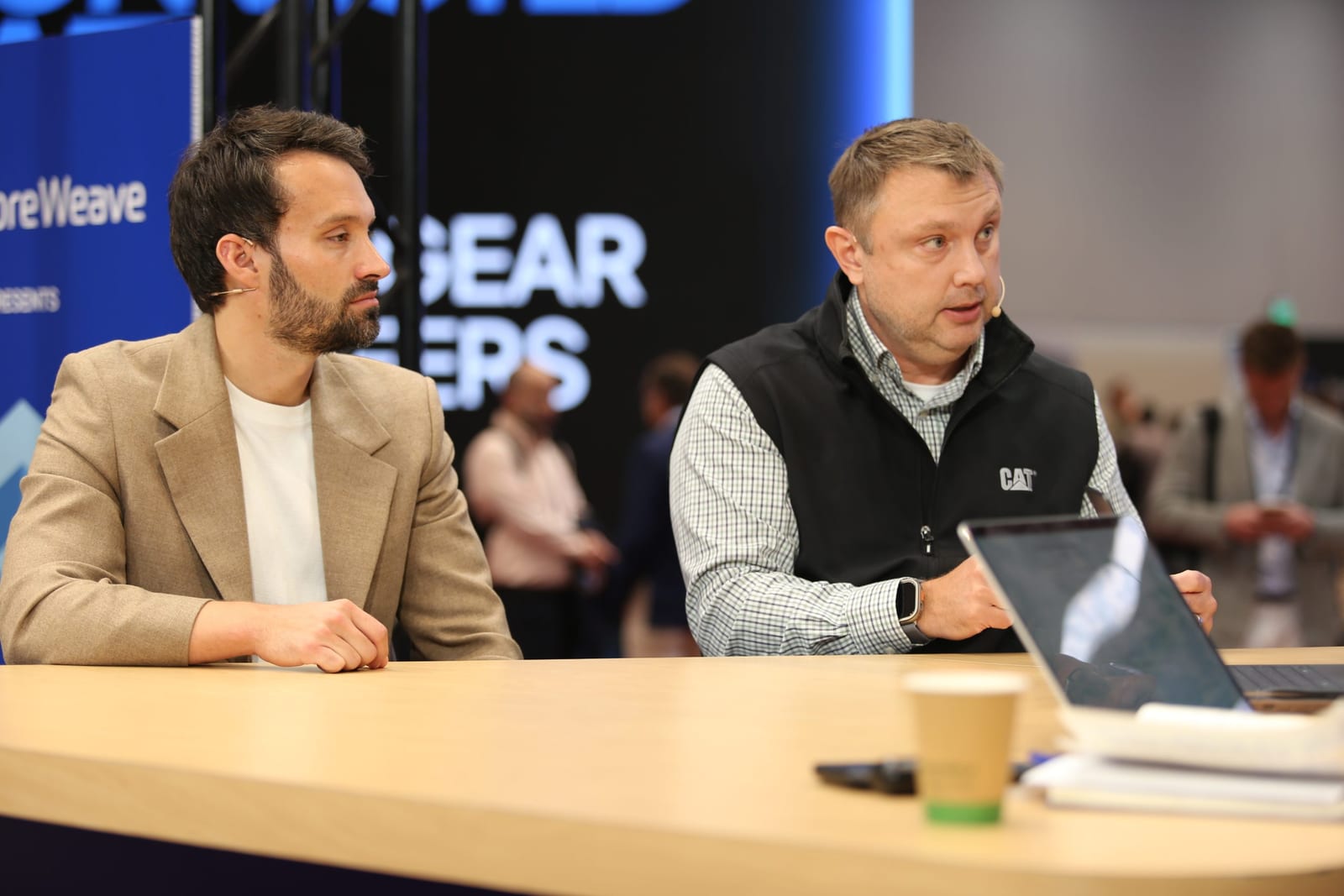
Caterpillar and CoreWeave shortened the data-labeling and feedback loop for training autonomous construction m…
Mistral AI opened a public preview of Mistral Large 4, its 1.05 trillion-parameter MoE model nicknamed "Le Cho…
Reflection AI started early access to Beam, its first open-weights model, with 501 billion total and 23 billio…
Google began rolling out "Simple Guide" in Gemini Live on Android, letting users share camera or screen views…

Anthropic launched Claude for Google Workspace as a public beta for paid Claude plans, adding Claude to Google…