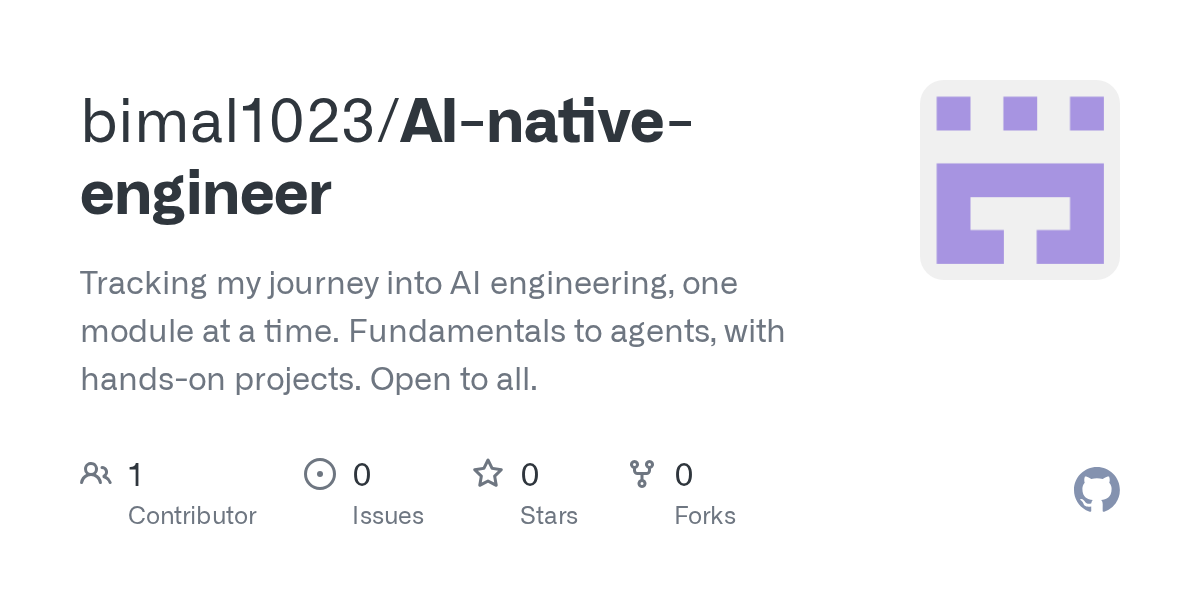
What happened
A structured, open-source learning path in plain markdown has been published to guide software engineers into AI engineering. It covers seven modules from LLM fundamentals through emerging topics, with each module including canonical resources, industry tools, hands-on projects, and common pitfalls. The material is maintained publicly and last reviewed in August 2026.
Why it matters
The curriculum bridges the gap between calling an LLM API and designing, evaluating, shipping, and operating AI systems that work reliably in production. It is aimed at self-taught developers, backend and full-stack engineers adding AI to their work, and new graduates seeking depth beyond surface-level tool use. The repo acknowledges that roughly one-third of AI material has a short shelf life and flags that in a separate hot-topics file.
What to watch
The curriculum is structured for part-time learning at a suggested pace of one module every 1–2 weeks, with 3–4 weeks for a capstone project. It invites contributions focused on fixing broken links, improving canonical resources, updating tooling lists, and sharing project write-ups; structural changes should be discussed via issue first.
Summaries like this, in your inbox every morning.
The curriculum addresses a real gap in AI engineering education: the distance between calling an LLM API (a one-line task) and building systems that hold up in production. Most engineers entering AI come from software engineering backgrounds where they know how to ship reliable systems, but lack the mental models for LLM-specific concerns—token budgets, inference costs, latency tradeoffs, and the new failure modes that emerge when a model is at the core of a service. By pairing each conceptual module with a required project, the curriculum enforces learning through building rather than passive reading.
The decision to track which material has a short shelf life (roughly one-third) in a separate hot-topics.md file reflects a mature understanding of AI as a field: transformer architecture and RAG fundamentals are stable; specific model families, emerging reasoning approaches, and tool ecosystem choices move fast. Developers who only read the core modules will retain skills that remain relevant; those who re-check hot-topics quarterly stay current without needing to restart the curriculum.
Pick your industry and the AI tools you use, and get news related to your work every day.
Free · 30 seconds with Google · unsubscribe anytimeWhat is AIToday? →
Ask AI anything about this article. The AI reads this article, earlier AIToday articles, and Wikipedia, and cites its sources. Q&As are published on this page for other readers too.
ElevenLabs completed a $300 million employee tender at a $22 billion valuation, and co-founder Mati Staniszews…

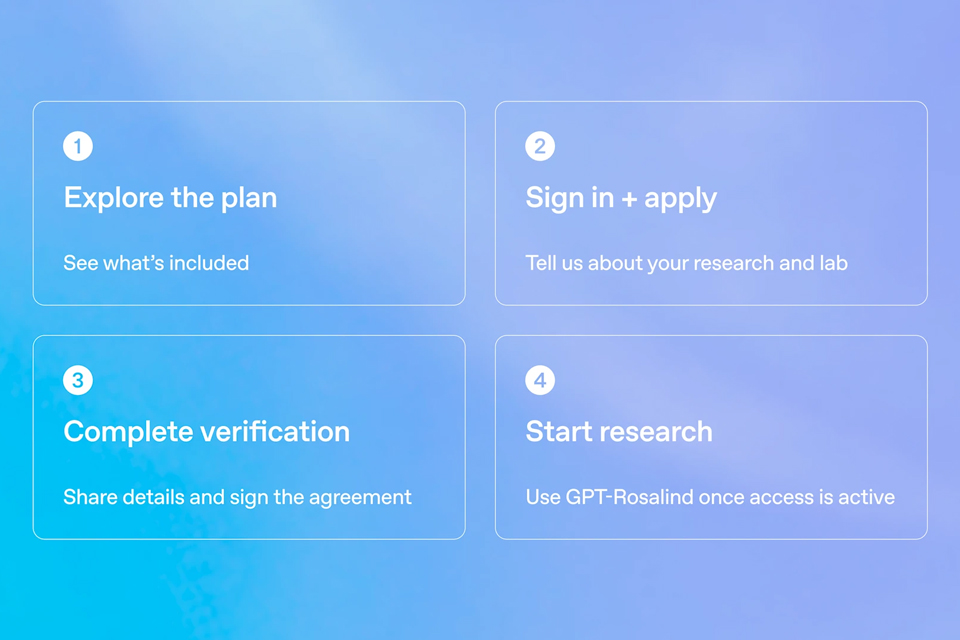
On October 15, OpenAI announced the Rosalind Academic Plan, giving approved US university labs free access to…
A Qiita article compared automated red-teaming methods for LLM apps — GCG, PAIR, and TAP — using mock implemen…

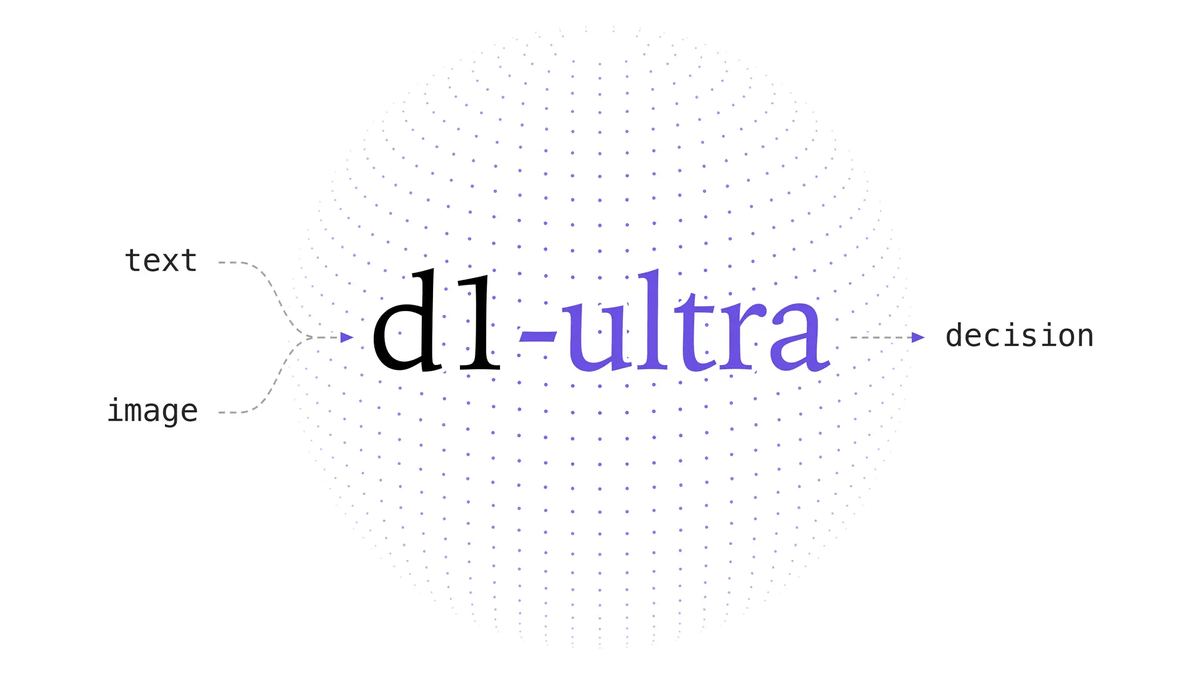
Liquid AI released d1-ultra on October 15, 2026, an upgraded open-weights decision model that averaged 76.7 ac…
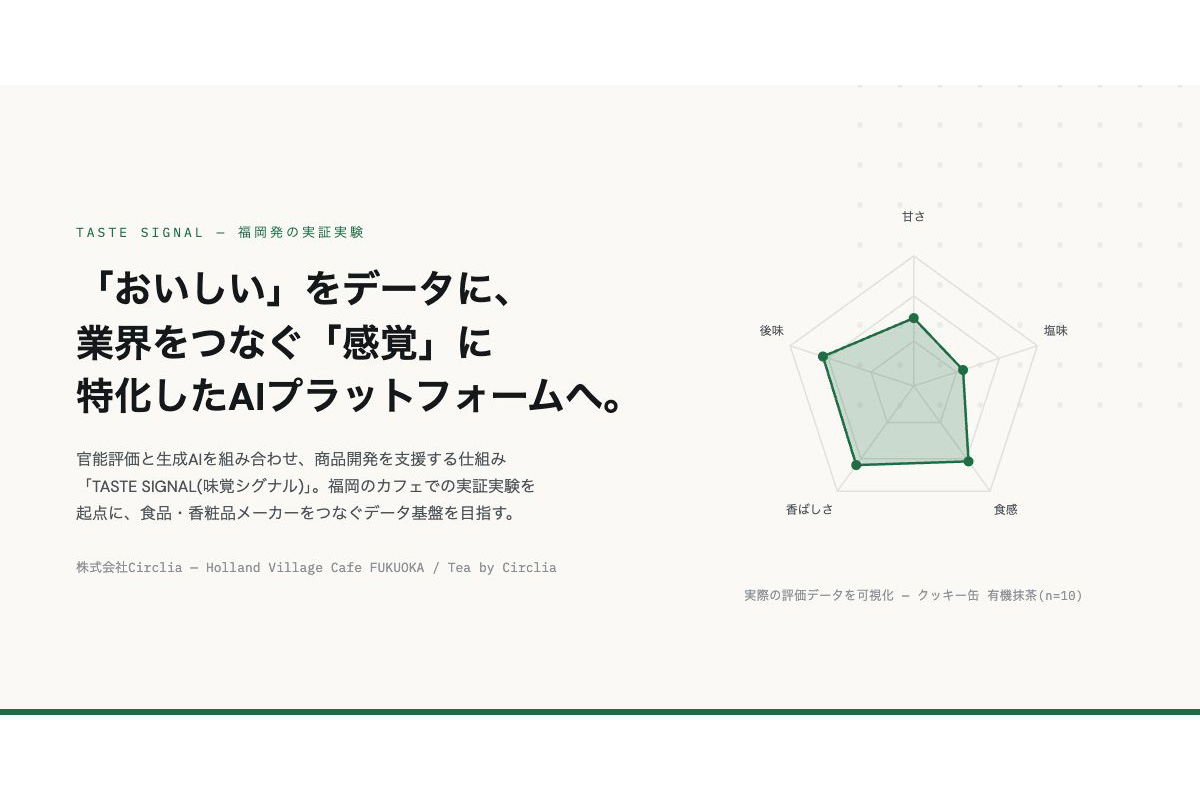
Circlia started a proof-of-concept for TASTE SIGNAL: visitors to Holland Village Cafe FUKUOKA taste cookies an…
In a webinar hosted by French Mathematical Society president Isabelle Gallagher, Fields Medal winner Hugo Dumi…

