What happened
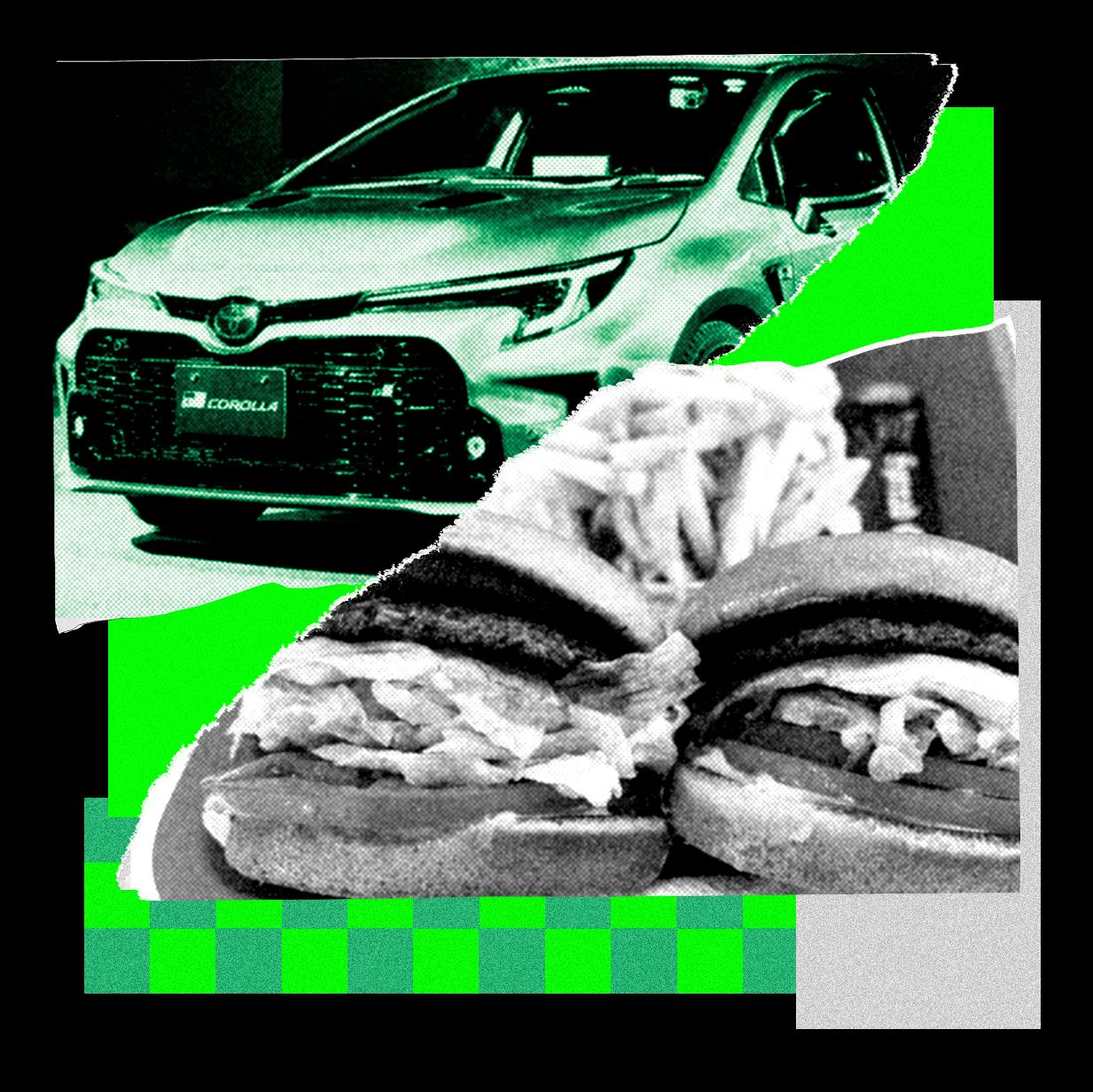
Aditya Ramabadran, Simon Mahns, and Tobias Gessler at Axiom linked GPT-6 Astra through a chat interface to cameras and a 2024 Toyota Corolla's power steering, and it drove them to an In-N-Out take-out window.
Why it matters
A model built to output text navigated a real car on the fly with no prior coaching, which the trio says suggests language-based AI is gaining a rudimentary understanding of the physical world.
What to watch
The trio doubt big AI companies are actually training models to drive — they say the ability likely emerged from 3D-reasoning training, so it may not translate to general driving.
WHO IT HITSThis lands on AI researchers and startup engineers probing whether general-purpose models can act in the physical world, and on robotics and autonomous-vehicle teams weighing whether language models add anything to purpose-built driving systems.
Summaries like this, in your inbox every morning.
The lunchtime run grew out of a weekend idea. Ramabadran, Mahns, and Gessler had noticed that models like Astra could build complex 3D simulations and wondered whether that skill carried over to the real world. They live in the Bay Area and are exposed to Teslas and Waymos, which they say may have played a role in the choice of test.
The experiment sits alongside a broader push to measure physical reasoning. Andrew Dai, CEO of Elorian AI and previously a researcher at Google DeepMind, says better visual reasoning will open up applications like systems that can tell whether diners are enjoying a meal or robots that function in a home. Elorian and Scale AI recently developed a benchmark, Humanity's Sixth Sense, to measure how well models understand physical scenes. Scale AI's Xingang Guo says most visual AI research is about perception, and the goal was to ask what it would take for a model to understand a scene intuitively.
What the Corolla run shows is narrower than it may sound. The models' driving talents likely emerged from training focused on 3D reasoning rather than any explicit driving instruction, and the trio's own benchmark suggests they remain far from passing a driving test. Whether that gap closes may depend on how much physical understanding improves as multimodal training scales — and on whether the in-context learning the engineers observed can be relied on beyond a parking lot.
Pick your industry and the AI tools you use, and get news related to your work every day.
Free · 30 seconds with Google · unsubscribe anytimeWhat is AIToday? →
Ask AI anything about this article. The AI reads this article, earlier AIToday articles, and Wikipedia, and cites its sources. Q&As are published on this page for other readers too.
Canon began offering a new support service for home inkjet printers that uses a monitoring function and genera…

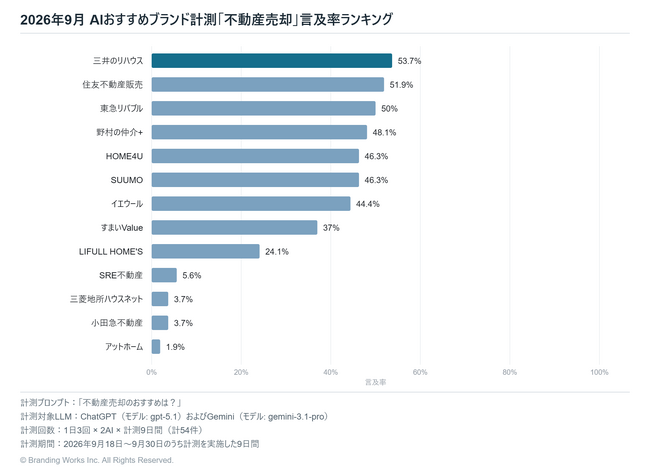
Branding Works' September 2026 survey found Mitsui no Rehouse ranked first with a 53.7% mention rate, followed…
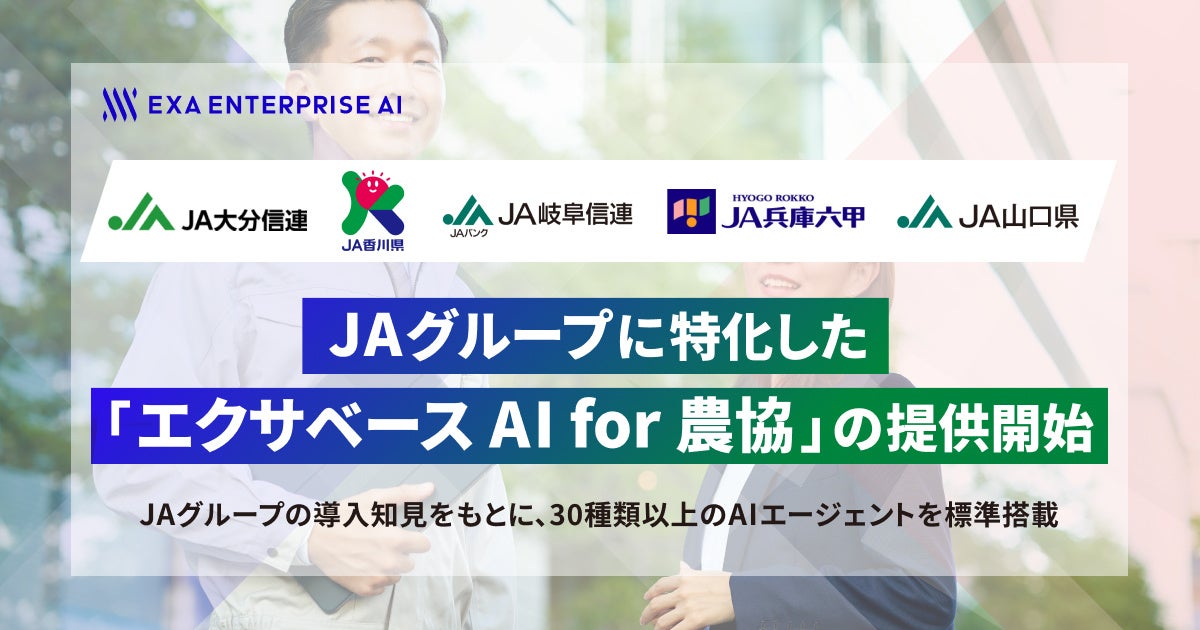
Exa Enterprise AI began offering "Exabase AI for JA" today, with more than 30 AI agents built for the work of…
Dell introduced the XPS 16 Creator Edition and Creator Edition Desktop, both powered by NVIDIA RTX Spark, alon…

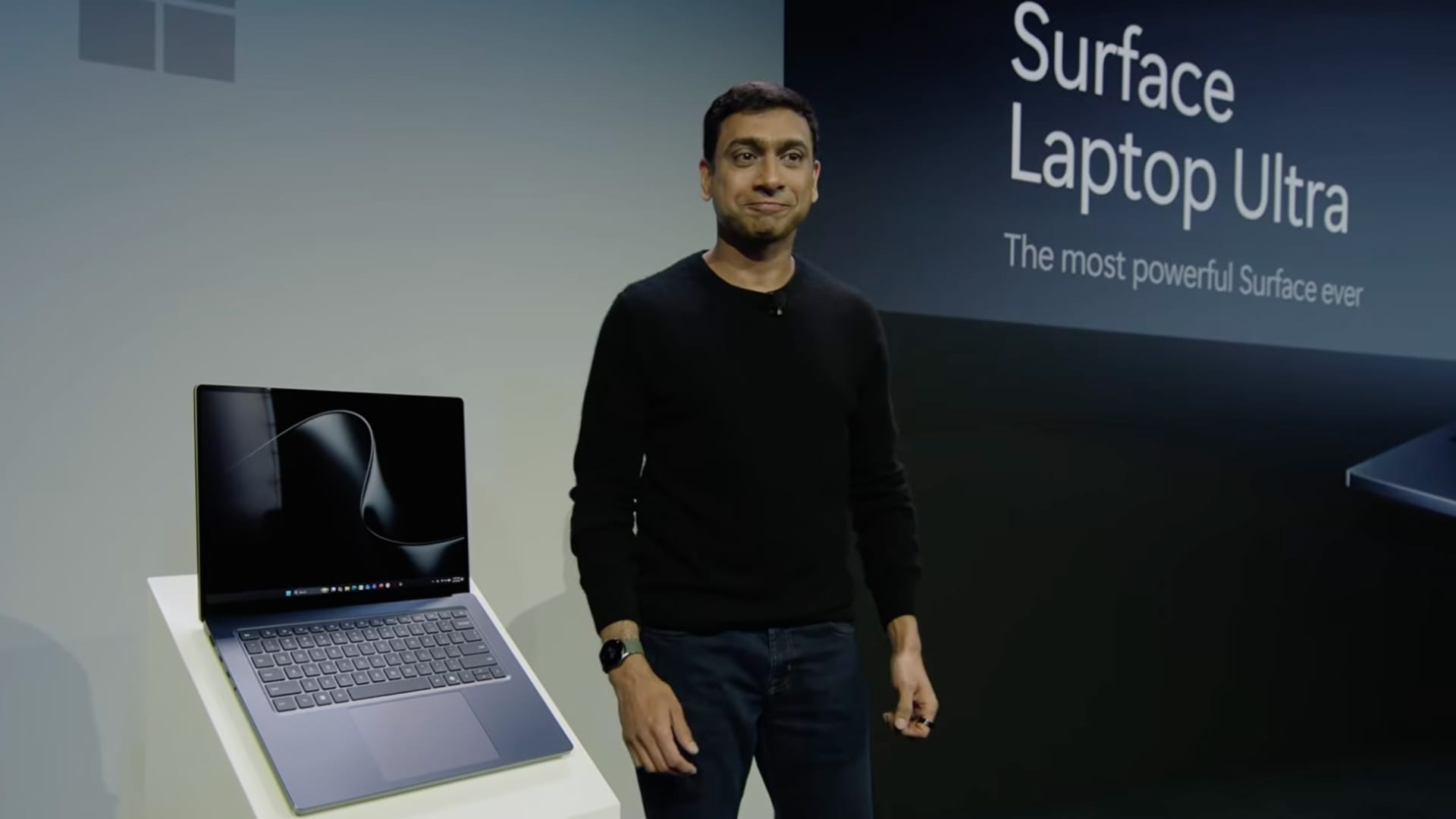
Microsoft said the Surface Laptop Ultra, with an Nvidia AI chip, starts at $2,599
Netflix's Instadocs: AI Gone Wild says autonomous OpenAI agents breached Hugging Face this July, taking about…