OpenAI has completed a $7 billion stock buyback allowing employees to sell shares at the company's $852 billion valuation, the second major tender offer in months following a $6.6 billion sale in October 2025.
The buybacks aim to provide liquidity to employees waiting for a delayed IPO, but the resulting wealth concentration in the AI industry is driving up rents and tuition costs in San Francisco.
What happened
OpenAI completed a stock buyback worth roughly $7 billion, allowing current and former employees to sell shares at the company's $852 billion valuation. This follows a similar $6.6 billion tender offer in October 2025, where about 75 employees each cashed out up to $30 million.
Why it matters
The buybacks are designed to ease employee pressure for liquidity while OpenAI's IPO remains delayed. The wealth influx from AI roles is reshaping the San Francisco Bay Area—AI salaries are driving rents so high that even top earners struggle to find apartments, and wealthy families are enrolling children in AI-focused private schools that charge up to $75,000 a year.
What to watch
The tender offer had been planned since OpenAI's $122 billion funding round in March. The company is using stock sales as a bridge to liquidity ahead of a potential IPO.
OpenAI has completed another major stock buyback, this time worth roughly $7 billion, according to Bloomberg. The tender offer allowed both current and former employees to sell their shares at OpenAI's current valuation of $852 billion. This is the second such large-scale buyback in recent months, following a $6.6 billion tender offer conducted in October 2025, during which about 75 employees each cashed out up to $30 million in equity.
The timing and purpose of these buybacks are closely tied to OpenAI's funding trajectory. The company raised $122 billion in March, a landmark financing round that raised employee expectations for near-term liquidity. However, OpenAI's planned initial public offering has been delayed, leaving employees holding illiquid equity. The tender offers serve as a pressure release valve, allowing a subset of employees and former staff to convert their holdings into cash without waiting for an IPO.
The ripple effects of this wealth concentration extend far beyond OpenAI's offices. In San Francisco, AI salaries have become so competitive that they are driving up rents across the market, and even top earners report struggling to find apartments. At the same time, wealthy families have begun sending their children to AI-focused private schools, some of which charge tuition of up to $75,000 per year. These trends illustrate how the financial gains from recent AI advancements are reshaping local economics, housing markets, and education in major tech centers.
OpenAI's $7 billion stock buyback represents the company's strategy to manage employee expectations during a prolonged wait for a public offering. By completing two major tender offers within months—$6.6 billion in October 2025 and $7 billion more recently—OpenAI is acknowledging the real tension between employee wealth and the delayed timeline to liquidity. The $122 billion funding round in March had set expectations for eventual public access to company value, but the IPO has not materialized as quickly as employees may have hoped.
Beyond OpenAI itself, the concentration of wealth among AI employees is producing visible economic effects in the San Francisco region. The influx of six- and seven-figure AI salaries is pricing out competition in the rental market, making it difficult even for high earners to secure housing. Concurrently, AI-focused private schools have emerged to serve wealthy families, with tuition reaching $75,000 annually. These secondary effects underscore how the financial gains from the recent AI boom are reshaping local economies and social stratification in major tech hubs.
AI-summarized, only the topics you pick — one digest a day via Email, Slack, or Discord.
Free · takes 30 seconds · unsubscribe anytime
Ask AI anything about this article. Q&As are published on this page for other readers too.
Brad Lightcap, OpenAI's Chief Operating Officer until April 2026 and a longtime executive who built the compan…
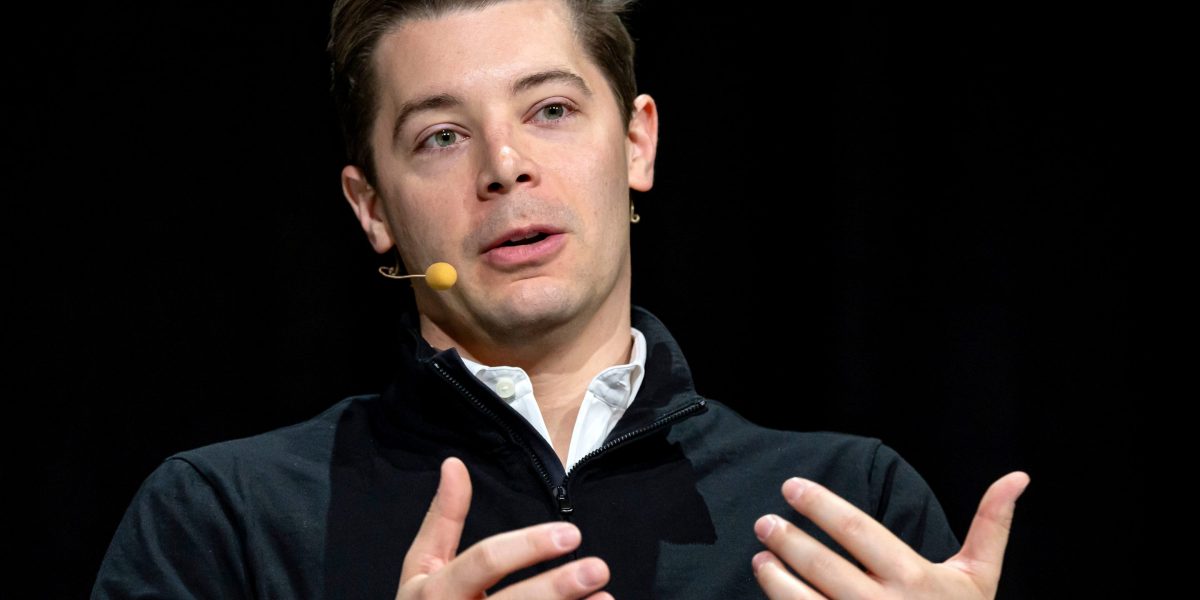
Brad Lightcap, who served as OpenAI's COO and most recently as special projects lead, announced his departure…
CEO Sundar Pichai announced that the Gemini app has surpassed 1 billion monthly active users, making it the 14…
Brad Lightcap, who joined OpenAI in 2018 and served as chief financial officer for four years before becoming…
River AI, founded by xAI co-founder Igor Babuschkin, raised $1.1 billion in a seed/Series A round led by Gener…

ONESTRUCTION, Inc. built Ishigaki-IDS, a foundation model specialized for construction industry BIM workflows…
The AI news that matters, in one minute each morning.
Sign up free