
Lockheed Martin announced an autonomy initiative for air systems.
It highlights intelligence, prediction, and decision-making.
This move points to more self-reliant military aircraft.
What happened
Lockheed Martin introduced a new initiative focused on intelligence, prediction, and decision-making for autonomous air systems. The company outlines a move toward greater autonomy in the air, emphasizing the integration of these capabilities.
Why it matters
This development signals Lockheed Martin's push to embed advanced intelligence and predictive decision-making into its air platforms. For business readers, this suggests a strategic shift in defense technology toward more self-sufficient systems, which could influence future contracts and industry standards.
What to watch
The initiative's success hinges on how Lockheed Martin integrates these capabilities into existing and future air systems. Observers will likely watch for specific platform applications or partnerships that demonstrate the practical impact of this autonomy roadmap.
Ask the AI about this article →
Summaries like this, in your inbox every morning.
Lockheed Martin's announcement of an autonomy initiative comes at a time when defense and aerospace sectors are increasingly exploring unmanned and intelligent systems. The company's emphasis on intelligence, prediction, and decision-making suggests a focus on software and algorithmic advancements rather than just hardware. This could position Lockheed Martin to offer more adaptive and responsive air capabilities, potentially appealing to military customers seeking operational flexibility.
The initiative likely builds on Lockheed Martin's existing portfolio in aeronautics and missile defense, where autonomy plays a growing role. By framing its efforts around these three pillars, the company appears to be addressing the core challenges of enabling aircraft to operate with reduced human intervention. This strategic direction may affect how the company allocates resources and partnerships in research and development.
The real test will be how quickly Lockheed Martin can translate this conceptual framework into deployed systems. The initiative's success will depend on overcoming technical and regulatory hurdles, as well as demonstrating tangible performance improvements in real-world missions. For competitors and customers, monitoring which specific platform or program first adopts these capabilities will be key. The stakes are high, as leadership in autonomous air systems could define defense contracting opportunities in the coming years.
For example, today's edition would include:
AI-summarized, only the topics you pick — one digest a day via Email, Slack, or Discord.
Free · 30 seconds with Google · unsubscribe anytimeWhat is AIToday? →
Ask AI anything about this article. Q&As are published on this page for other readers too.
Apple is set to release iOS 27 around mid-September, likely on Sept

A new lawsuit alleges Meta turned footage captured through its AI-powered Meta Glasses into training data for…

Marvell Technology stock rose 6% to $220.54 on Friday, while Qualcomm fell 0.33% to $168.01

Micron Technology and Sandisk Corporation are both benefiting from a memory shortage driven by AI infrastructu…

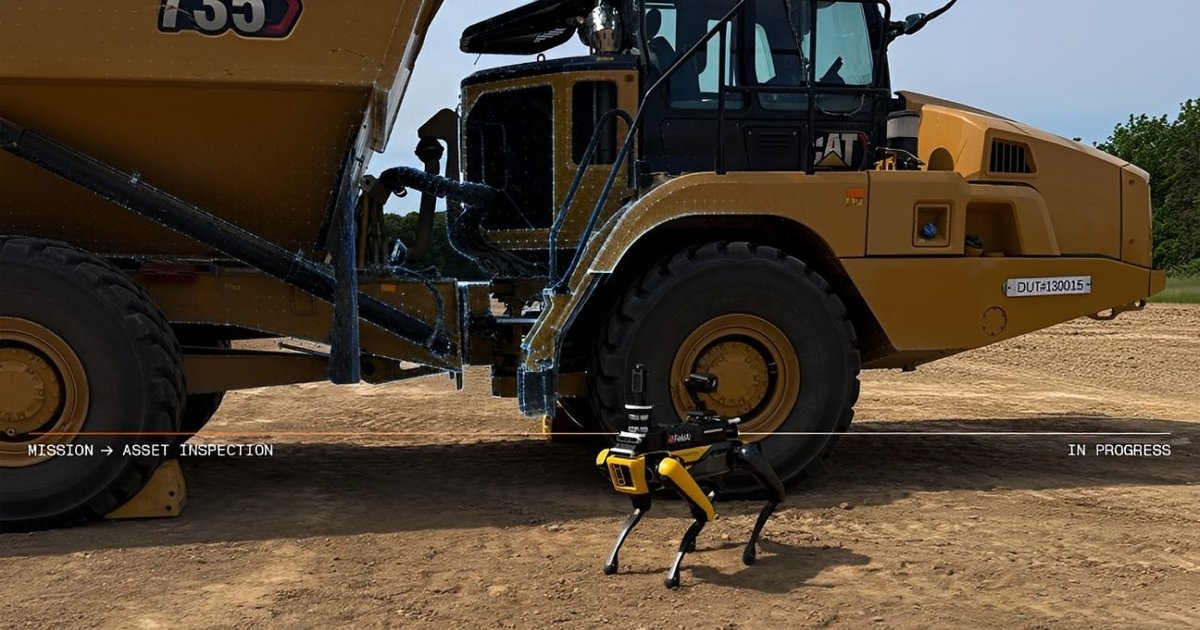
Caterpillar has entered a collaboration with FieldAI to advance physical AI, autonomy, and robotics on jobsite…
Anthropic is launching AI commerce agents in partnership with Visa and Mastercard, according to a Finextra Res…