What happened
Apple researchers compared hyperparameter tuning against mixing English data into Arabic pre-training across four model scales from 150M to 1.43B parameters, over roughly 1000 runs. Mixing won on both validation loss and downstream task accuracy, and the gap widened with model size.
Why it matters
Mixing regularizes by diversifying the training signal and adds knowledge the repeated Arabic corpus cannot supply, so the gain is equivalent to adding more unique target data than the dataset actually contains, according to the study.
WHO IT HITSML teams training language models for low-resource languages may get more from adding a high-resource language's data than from tuning, especially at larger scales.
Summaries like this, in your inbox every morning.
The study addresses a common problem: for most languages, pre-training operates in a data-constrained regime where models must repeat their training data many times, degrading generalization. Two remedies exist, aggressive hyperparameter tuning like high weight decay, which shrinks weights to restrict network capacity, and mixing in data from a high-resource auxiliary language to expand the training distribution.
The researchers ran approximately 1000 pre-training runs to compare these levers. They found that mixing's advantage grows with model size, and that target-language validation loss systematically underestimates mixing's value because it captures only the regularization effect, not the knowledge the repeated target corpus cannot supply.
Pick your industry and the AI tools you use, and get news related to your work every day.
Free · 30 seconds with Google · unsubscribe anytimeWhat is AIToday? →
Ask AI anything about this article. The AI reads this article, earlier AIToday articles, and Wikipedia, and cites its sources. Q&As are published on this page for other readers too.
Setagaya Ward tested Genspark, an AI agent tool, and cut roughly 2,900 hours of work, according to Sho Miyama…

LegalOn Technologies began offering a beta of its "Agent Builder" feature on October 19, which automates a ser…

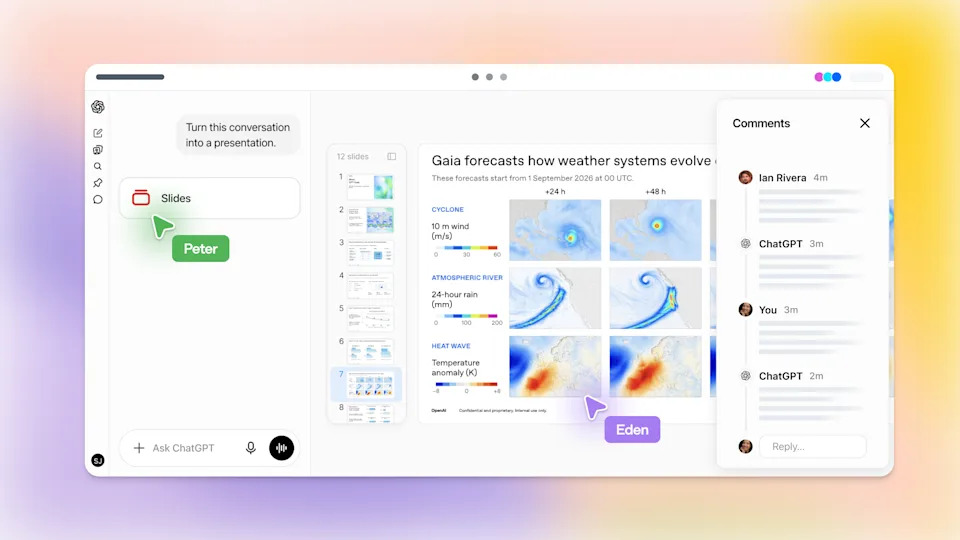
OpenAI launched ChatGPT Slides, which builds decks from chats, files or outlines and can mimic the design of a…
DeepSeek released Search and Fetch APIs on October 17, 2026, with each endpoint priced at $0.75 per 1,000 call…

DeepSeek published DeepSeek-V4.1-Flash-1017 on October 17, 2026 as a free, MIT-licensed open model that scored…
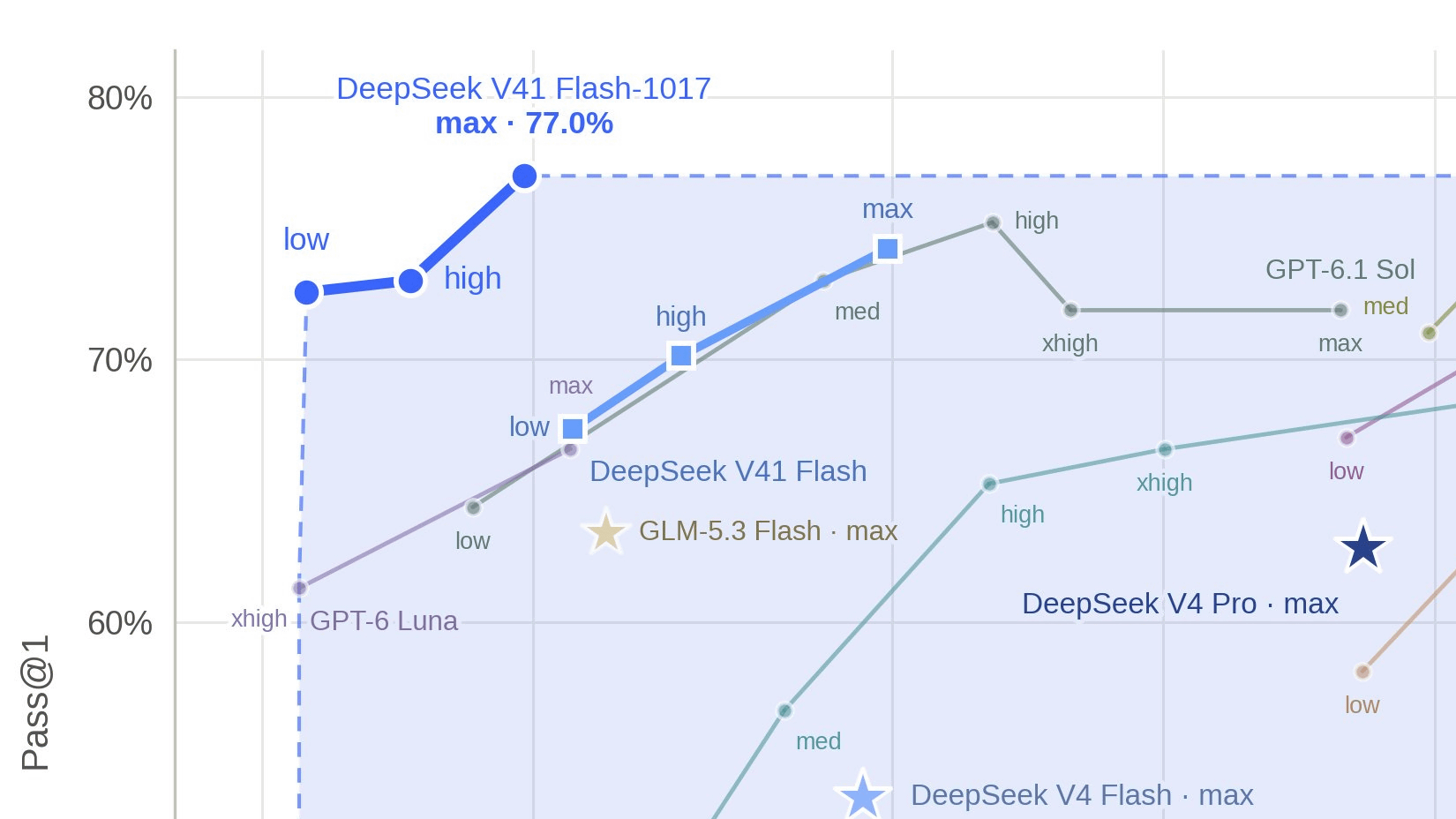
DeepSeek released DeepSeek-V4.1-Flash-1017, a “minor update” that reduces task execution time and output lengt…