
Microsoft beat fourth-quarter revenue expectations at $90 billion(約14兆円), driven by Azure cloud growth of 43% and strong customer adoption of AI services. The company's commercial remaining performance obligation jumped 84% to $678 billion(約110兆円), showing confidence in future revenue, but capital spending doubled year-over-year to $35.8 billion(約5.7兆円) in the quarter, raising questions about whether the company can sustain profitability growth alongside its massive infrastructure investments.
Summaries like this, in your inbox every morning.
Sign up free →What happened
Microsoft reported $90 billion(約14兆円) in fiscal fourth quarter revenue, beating analyst estimates of $87.72 billion(約14兆円), with Azure cloud revenue growing 43% and adjusted earnings reaching $4.74 per share. Commercial remaining performance obligation (contracted future revenue) jumped 84% to $678 billion(約110兆円).
Why it matters
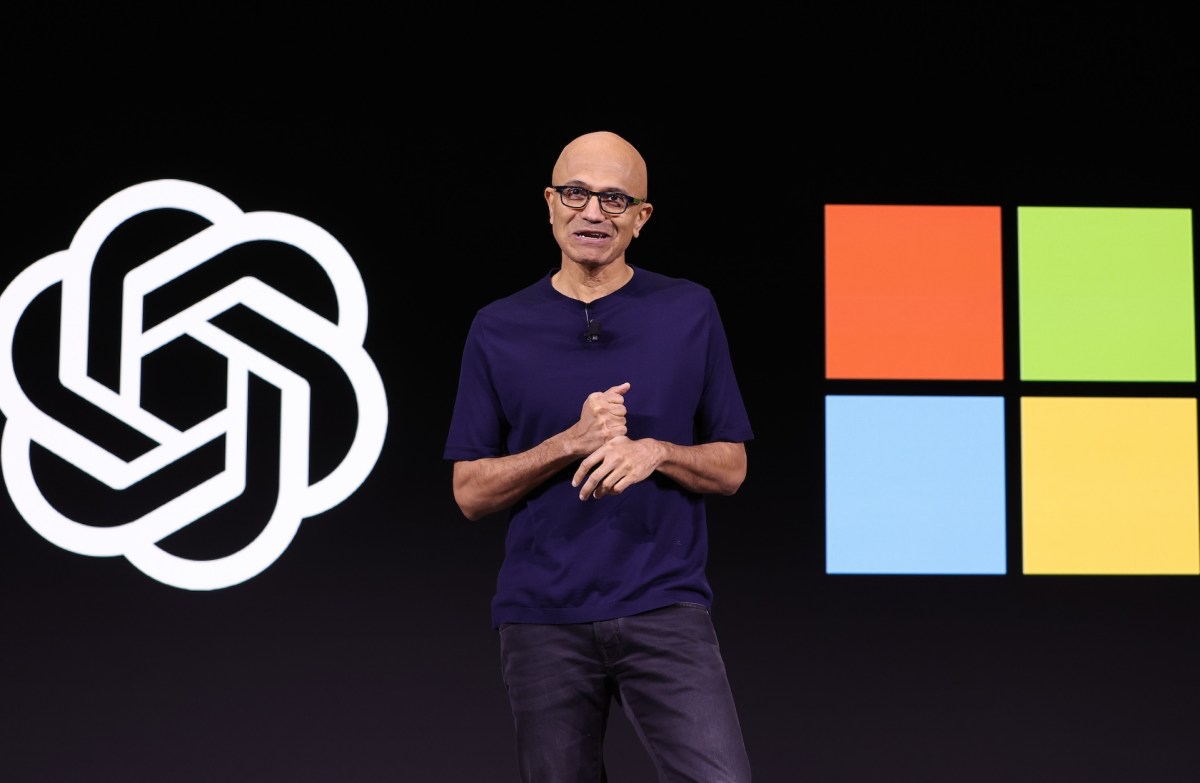
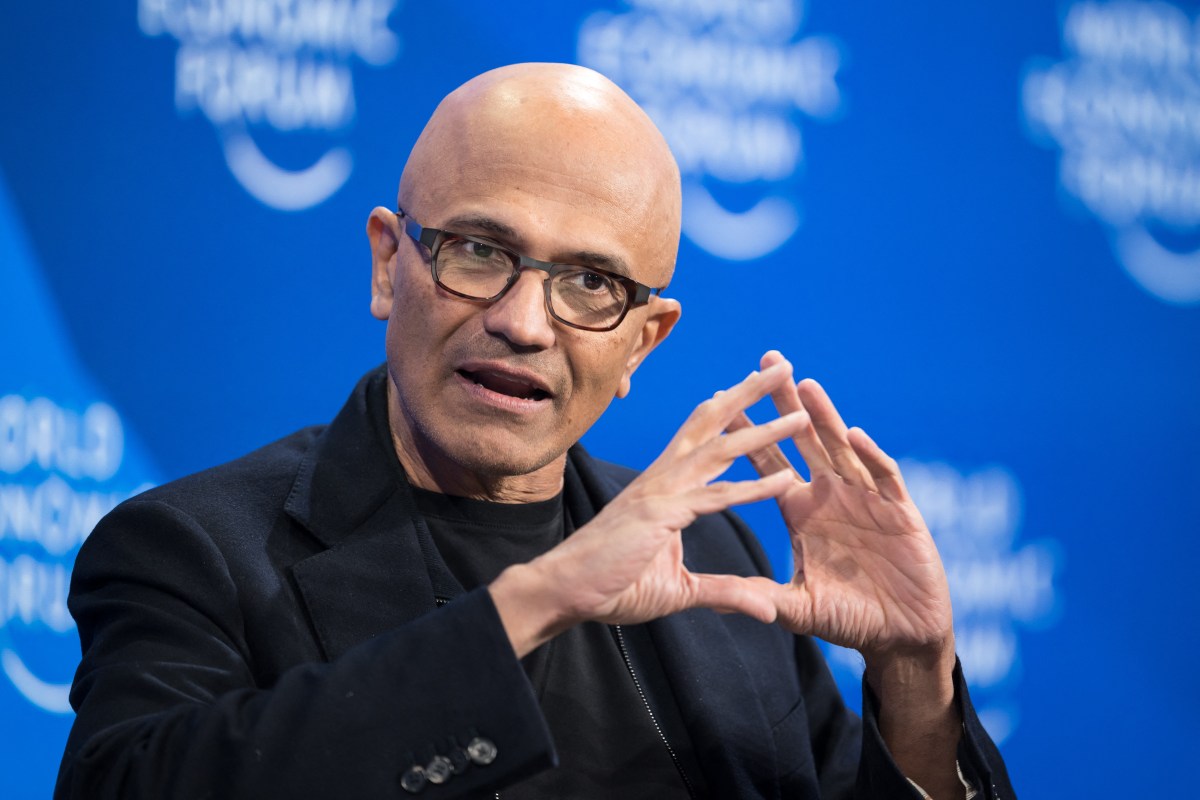
The 43% Azure growth exceeded analyst expectations of near 40% and accelerated from the prior quarter, signaling strong customer demand for AI infrastructure. CEO Satya Nadella tied the results to customer adoption, noting Azure revenue surpassed $100 billion(約16兆円) for the first time in the full year and Microsoft 365 Copilot reached over 30 million paid seats.
What to watch
Microsoft's capital expenditure doubled year-over-year to $35.8 billion(約5.7兆円) in the quarter and reached $115.9 billion(約19兆円) for the full year, raising questions about whether spending growth will be matched by sustained revenue gains. Traders are watching whether the AI earnings beat will sustain momentum in equities and crypto, with Bitcoin currently trading roughly 50% below its October 2025 record high of $126,080.
Microsoft reported $90 billion(約14兆円) in fiscal fourth quarter revenue on Wednesday, surpassing analyst estimates of $87.72 billion(約14兆円) and posting adjusted earnings of $4.74 per share. The beat was anchored in Azure cloud performance, which grew 43%—exceeding the near 40% growth analysts had modeled and accelerating from the prior quarter. Microsoft Cloud revenue reached $59.3 billion(約9.5兆円), up 27% year over year, while the Intelligent Cloud segment housing Azure grew 32% to $39.3 billion(約6.3兆円).
The forward outlook appeared even stronger. Commercial remaining performance obligation, representing contracted revenue not yet recognized, jumped 84% to $678 billion(約110兆円), suggesting deep customer commitment to future AI infrastructure deployment. CEO Satya Nadella tied the results directly to AI adoption in his earnings statement: "This year, Azure revenue surpassed $100 billion(約16兆円) for the first time, and Microsoft 365 Copilot reached over 30 million paid seats, reflecting the confidence customers are placing in us to power their AI transformation."
The earnings came with a steep capex bill. Microsoft added $35.8 billion(約5.7兆円) in property and equipment during the quarter, more than double the $17.1 billion(約2.7兆円) in the year-ago period. Full-year additions reached $115.9 billion(約19兆円), pushing net property and equipment to $313.1 billion(約50兆円) from $205 billion(約33兆円). Operating cash flow of $55.4 billion(約8.9兆円) comfortably covered this outlay. The reported profit figure also benefited from a $3.2 billion(約5100億円) gain on Microsoft's Anthropic stake and lighter retirement-program costs, which added $0.27 to diluted earnings per share against April guidance. Consumer-facing businesses lagged: More Personal Computing revenue fell 4%, with Xbox content and services down 10%.
The results landed as Bitcoin trades near $63,553, down roughly 50% from its October 2025 record high of $126,080, and 3.5% lower on the week. The divergence between Microsoft's AI-driven beat and crypto's weakness suggests the asset class is no longer tracking the near-term AI earnings cycle upward. For traders, the forward question centers on Microsoft's fiscal 2027 spending guidance—whether continued capex escalation will be matched by proportional backlog growth or whether the AI infrastructure cycle may face profitability headwinds.
Microsoft's fiscal Q4 results underscore the capital-intensive nature of the current AI cycle. While the $90 billion(約14兆円) revenue beat and 43% Azure growth demonstrate strong customer demand for cloud infrastructure, the doubling of property and equipment spending to $35.8 billion(約5.7兆円) signals that sustaining this growth requires massive upfront investment. The 84% jump in commercial remaining performance obligation to $678 billion(約110兆円) suggests customers are committed to AI deployments, but the near-term burden falls on Microsoft's balance sheet and profitability metrics.
The broader market context frames these earnings as a test of whether AI momentum will persist across the technology sector and into digital assets. Bitcoin's 50% decline from its October 2025 peak, despite Microsoft's beat, suggests investor sentiment on cryptocurrency has decoupled from near-term earnings results. The article indicates that crypto traders are now keying off Microsoft's capital spending trajectory and backlog growth rather than headline revenue figures—a shift reflecting concern that AI infrastructure capex may eventually outpace realized revenue, reviving bubble-like dynamics.
AI-summarized, only the topics you pick — one digest a day via Email, Slack, or Discord.
Free · takes 30 seconds · unsubscribe anytime
No comments yet. Be the first to share your thoughts!
Log in to join the discussion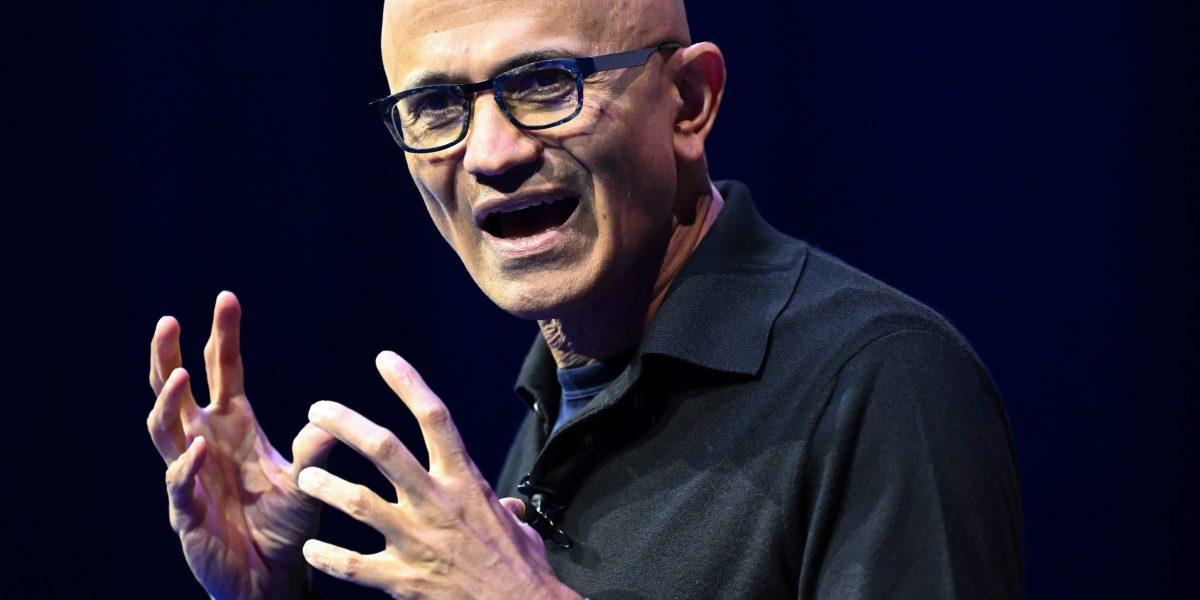


Get curated AI news from 200+ sources delivered daily to your inbox. Free to use.
Get Started FreeFree · takes 30 seconds · unsubscribe anytime
