What happened
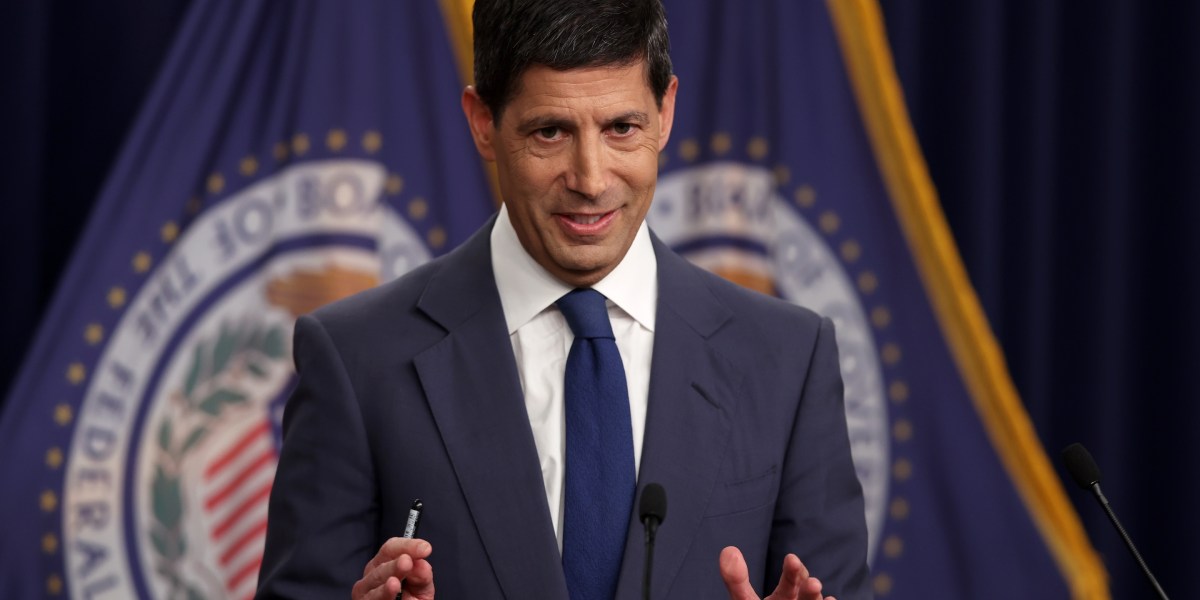
Federal Reserve Chairman Kevin Warsh called AI a potential "new factor of production" and asked whether customers will pay a premium for tokens from the most advanced models, even as prices for older models fall toward marginal cost.
Why it matters
Falling token prices could signal either genuine productivity gains or commoditization, raising questions about whether the enormous capital flowing into AI will generate strong returns. For CFOs, token prices are an input cost, but lower cost doesn't necessarily mean higher returns.
What to watch
Gregory Daco, chief economist at EY Parthenon, suggests token prices offer clues about competition, model quality, pricing strategies, and computing costs. Luke Lango, a technology analyst, says "pricing power at the frontier—not usage growth—is becoming the real scoreboard for whether AI is creating value or just consuming capital."
Summaries like this, in your inbox every morning.
The Federal Reserve's interest in AI token prices marks a shift in how central bankers view technological shifts. Warsh's comments at Jackson Hole suggest that the economics of AI will hinge on value creation and who captures it, a question that extends beyond monetary policy. For CFOs, the immediate concern is whether AI spending translates into measurable productivity gains, improved margins, or new revenue opportunities, as Daco notes. The challenge is that token price signals are ambiguous, and the same trend can reflect either healthy innovation or a race to the bottom. As Lango puts it, pricing power at the frontier is the real scoreboard, not usage growth. This means that while lower token costs might seem beneficial, they could also indicate a commoditized market where returns on AI investment are uncertain. The Fed's attention to these dynamics underscores their potential macroeconomic significance, but it remains to be seen if token prices will become a formal indicator.
Pick your industry and the AI tools you use, and get news related to your work every day.
Free · 30 seconds with Google · unsubscribe anytimeWhat is AIToday? →
Ask AI anything about this article. The AI reads this article, earlier AIToday articles, and Wikipedia, and cites its sources. Q&As are published on this page for other readers too.
In Q2, billionaires or their funds sold six 'Magnificent Seven' AI stocks
Nvidia was rising early Friday, even as the wider chip sector kept falling, Barron's reported
ElevenLabs completed a $300 million employee tender at a $22 billion valuation, and co-founder Mati Staniszews…

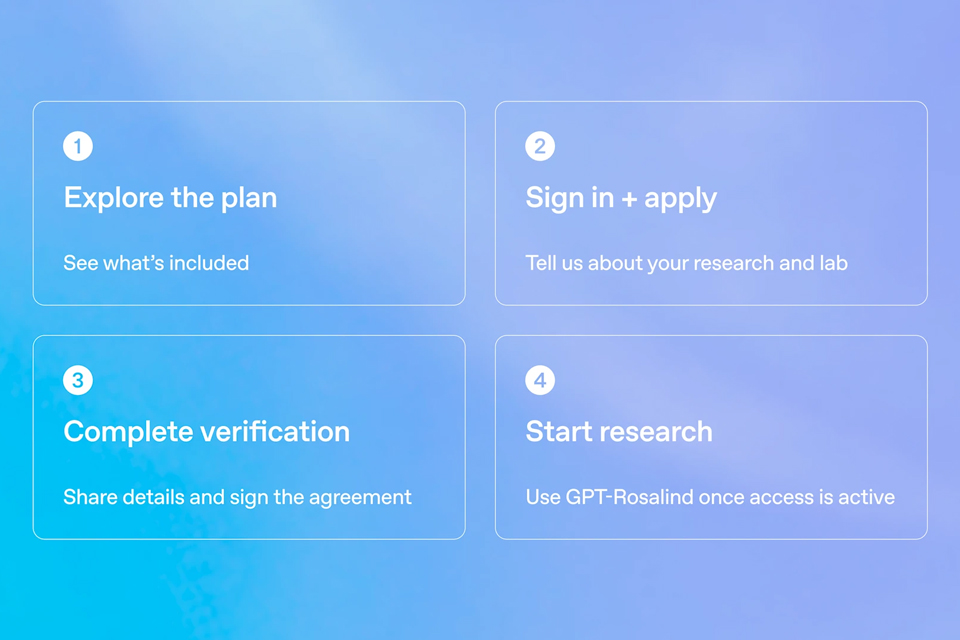
On October 15, OpenAI announced the Rosalind Academic Plan, giving approved US university labs free access to…
Neostellar Capital principal Evan Schlossman said CoreWeave's $103.7 billion in remaining performance obligati…
Supermicro Computer appointed Mark Long as chief financial officer, bringing an experienced technology finance…