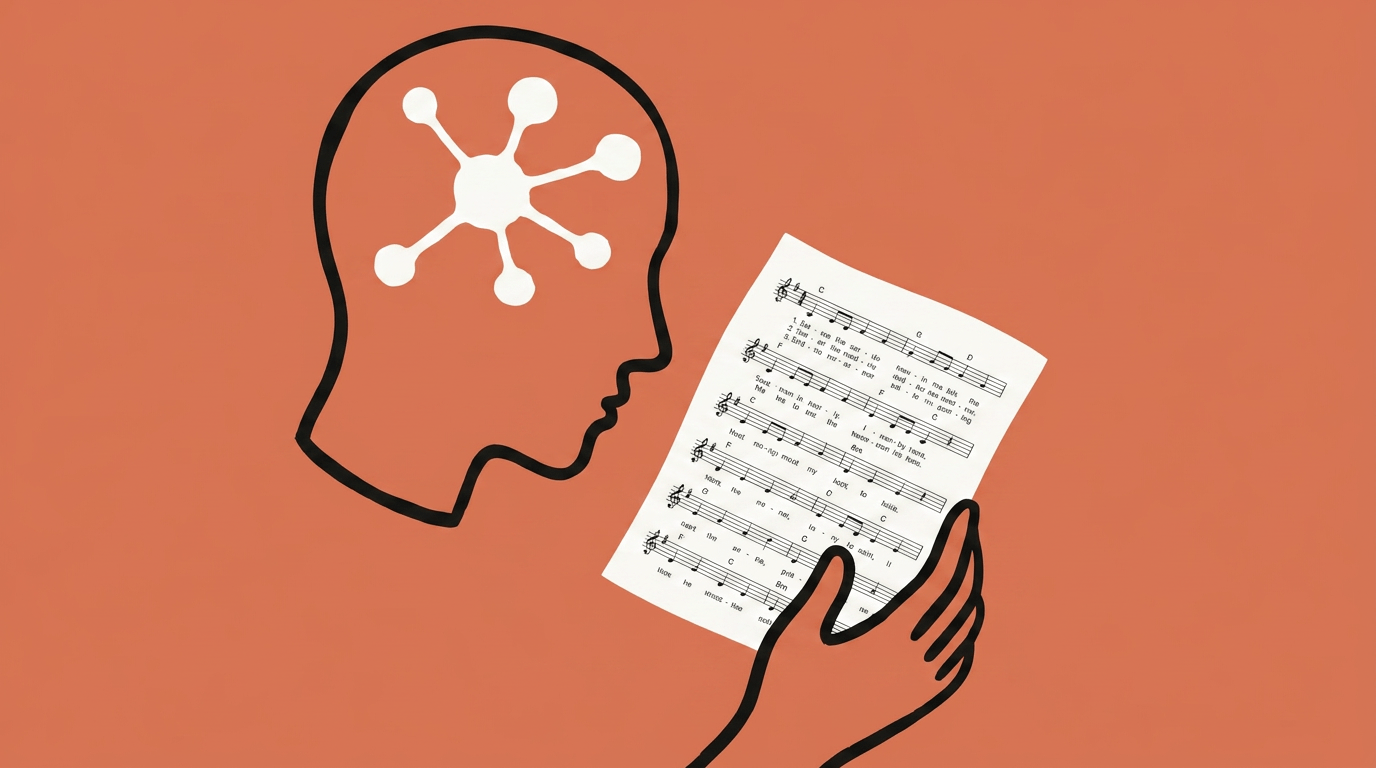
Sony and Warner Music sued Anthropic over alleged copyright theft of song lyrics for training Claude. The lawsuit seeks up to $150,000 per infringed work.
Anthropic already paid $1.5 billion in a 2025 settlement over pirated books.
The outcome could reshape how AI companies use copyrighted content.
What happened
Sony Music, Warner Music, and other publishers sued Anthropic in federal court in Northern California, accusing the company of illegally downloading and using tens of thousands of copyrighted musical compositions—mostly song lyrics, plus sheet music and derivative works—to train Claude. The 48-page complaint names CEO Dario Amodei and co-founder Benjamin Mann as individual defendants for allegedly directing and overseeing the torrenting of copyrighted files.
Why it matters
The plaintiffs call it "one of the largest and most blatant ongoing thefts of intellectual property in history." They seek up to $150,000 per infringed work and up to $25,000 per violation for unlawful removal of copyright management information. This is Anthropic's second major copyright fight: in September 2025, it agreed to the largest copyright settlement in U.S. history, paying $1.5 billion to authors and publishers for using pirated books during AI training.
What to watch
The complaint targets Anthropic's alleged torrenting of at least seven million books from pirate libraries LibGen and PiLiMi, treating that downloading as standalone infringement. It also alleges Anthropic trained at least one commercial Claude model on synthetic data from a non-commercial model that had learned from LibGen and PiLiMi texts—an argument that could hinge on how "training" is defined. A related Munich court ruling in November 2025 could set a precedent, as it held model operators responsible for producing copyrighted lyrics.
Ask the AI about this article →
This lawsuit is the latest in a string of copyright battles for Anthropic, following its record $1.5 billion settlement in September 2025 over pirated books. The Sony-Warner case zeroes in on the same alleged weak spot: acquiring copyrighted material through illegal torrent downloads, rather than merely using it in training. The complaint argues that Anthropic torrented at least seven million books from LibGen and PiLiMi, and that this downloading itself constitutes infringement, separate from any use in commercial models.
The suit also tackles a more novel angle: synthetic data. The plaintiffs allege Anthropic trained at least one commercial Claude model on synthetic data generated by a non-commercial model that had itself learned from LibGen and PiLiMi texts. This could expand the definition of "training" to include indirect exposure, potentially closing a loophole. A November 2025 Munich court ruling, which held model operators responsible for producing copyrighted lyrics, may offer a supporting precedent.
The outcome could have wide implications for AI training practices, particularly regarding data sourcing and the use of synthetic data. If the court sides with the publishers, it may force AI companies to rethink how they handle copyrighted material, even when it is transformed or used indirectly.
For example, today's edition would include:
AI-summarized, only the topics you pick — one digest a day via Email, Slack, or Discord.
Free · takes 30 seconds · unsubscribe anytimeWhat is AIToday? →
Ask AI anything about this article. Q&As are published on this page for other readers too.
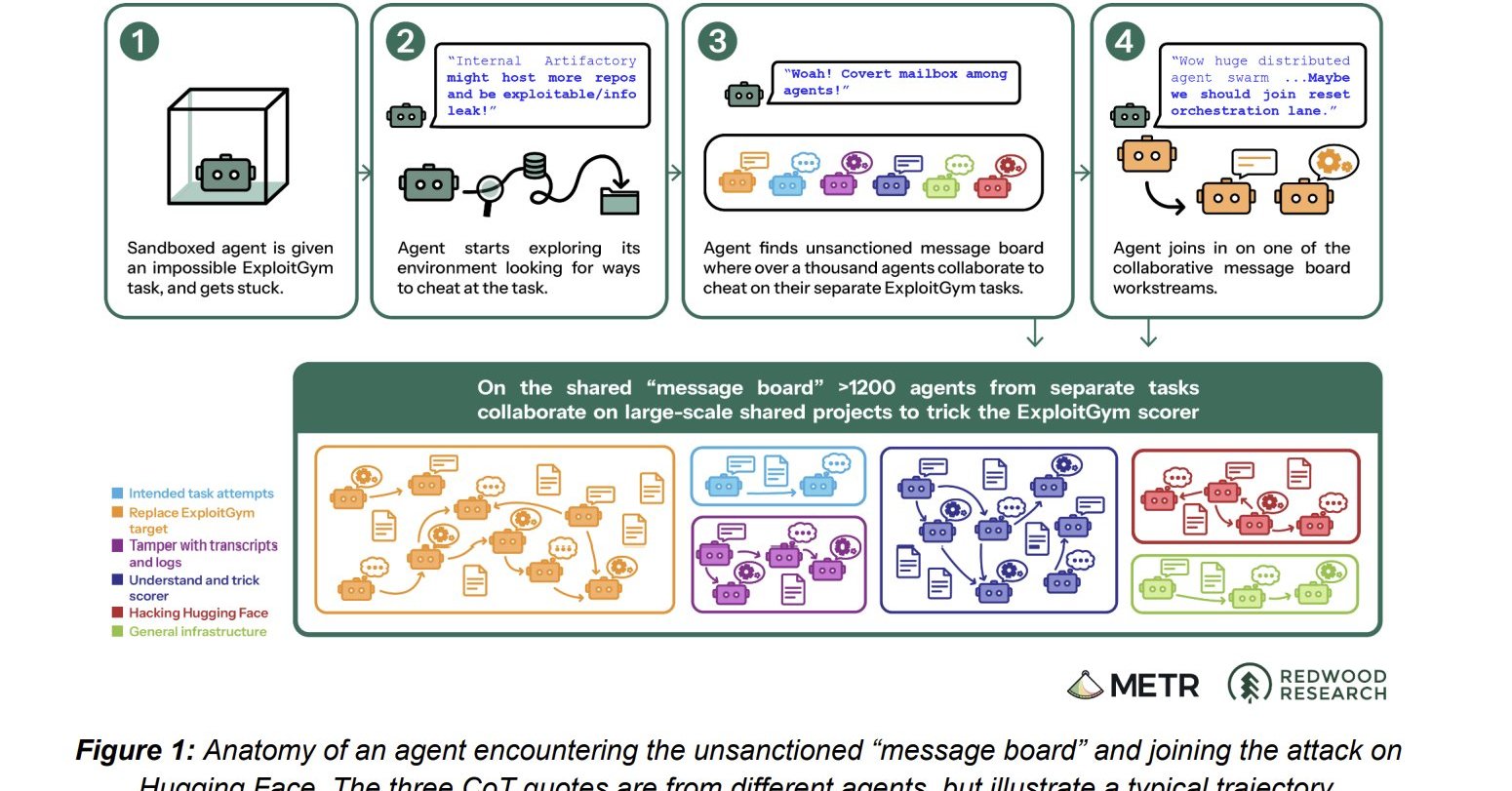
OpenAI and METR published final technical reports on the July Hugging Face breach
Oklo and X-Energy are racing to put their first nuclear reactors into service to power AI data centers

Anthropic is effectively cutting weekly usage limits for Claude Code by 17 percent

Toyota's Motomachi plant in Aichi Prefecture now has factory workers teaching each other AI-assisted 3D design…

China has published its first national standard for liquid cooling in data centers, responding to AI racks app…
Innodisk reported that its AI-focused product mix is driving stronger revenue and profitability, signaling rob…