Summaries like this, in your inbox every morning.
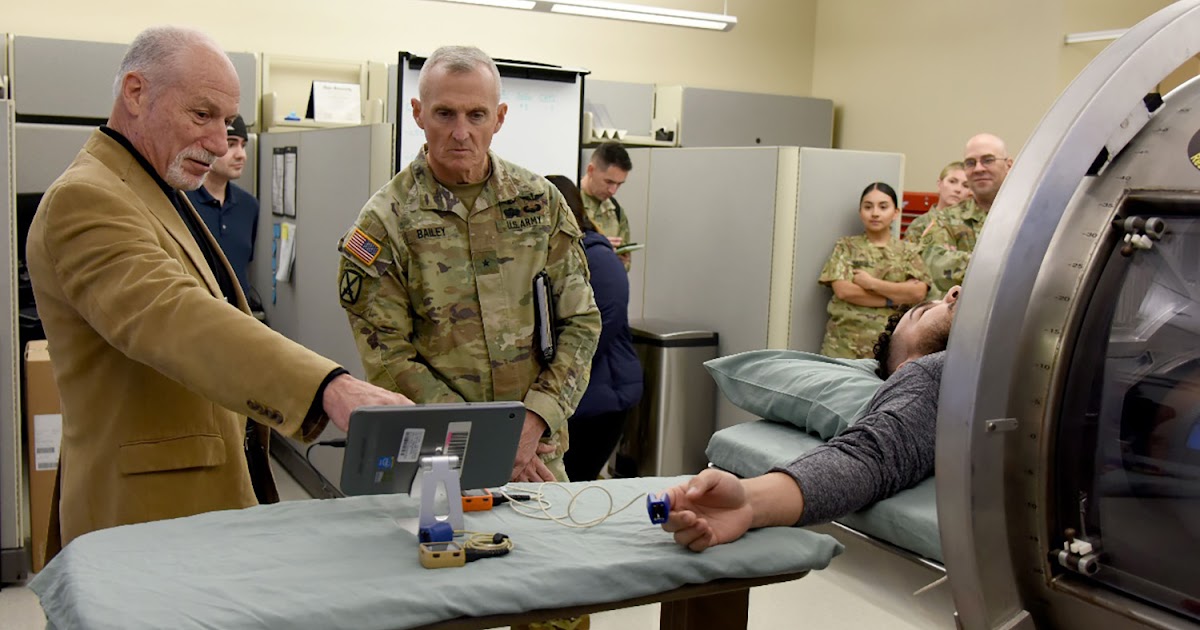
Sign up free →What happened: Dr. Victor Convertino and colleagues at the U.S. Army Institute of Surgical Research created a machine-learning system called Compensatory Reserve Measurement (CRM) that reads a patient's pulse waveform via a wireless finger cuff and displays a color-coded gauge (green/amber/red) showing how much the body can still compensate for blood loss. The algorithm achieves a correlation of 0.95 or greater for estimating compensatory reserve while standard vital signs remain virtually unchanged.
Why it matters: Hemorrhagic shock is the leading cause of preventable death in both civilian trauma and battlefield settings, yet standard vital signs—heart rate and blood pressure—lag behind the actual bleeding crisis and can mask severe blood loss until intervention is no longer possible. By detecting the body's underlying compensatory state directly, rather than waiting for vital signs to collapse, CRM gives medics an earlier window to begin life-saving resuscitation.
What to watch: The U.S. Army Medical Department's Future Capabilities Directorate has already mandated integration of CRM into a wearable medical trauma sensor under development, meaning medics treating blast casualties could soon read a patient's compensatory reserve from a wrist-worn device and initiate treatment before a single vital sign crosses a clinical threshold.
No comments yet. Be the first to share your thoughts!
Log in to join the discussion





Get curated AI news from 200+ sources delivered daily to your inbox. Free to use.
Get Started FreeFree · takes 30 seconds · unsubscribe anytime
5 minutes a day. The AI essentials.
200+ sources · Email / LINE / Slack
