What happened
The author proposes a five-check framework — next use, reuse scope, common vs. specific parts, verification method, and maintenance responsibility — for deciding which business knowledge to standardize, citing Palantir's FDE structure as an example.
Why it matters
Saved documents and answers do not raise reuse capability unless the organization also tracks versions, verifies results, and stops using retired definitions, the author argues.
Summaries like this, in your inbox every morning.
A familiar frustration: an AI-produced procedure or piece of code is saved, but the next person cannot use it because the premises are missing, and no one knows which documents to fix when a business rule changes. Storing outputs, it argues, is not the same as gaining the ability to reuse them. Its reference point is Palantir, which the author says describes a structure for returning field knowledge from forward-deployed engineers to shared product functions.
The proposed answer is to make the reusable unit smaller than a finished deliverable. In a fictional delivery-inquiry example, what transfers is not a saved reply but the definitions and judgments behind it — when to treat a shipment as delayed, what must not be concluded when records are missing, and who should receive the case. Such definitions need their target, official source, test examples, and consumers attached before another person or an AI can handle them reliably.
What keeps this from becoming a pile of documents is pairing registration with retirement. Definitions move through candidate, verified, adopted, suspended, and retired states, and changing an adopted definition means checking dependent processes, search targets, templates, and caches. The author stresses that the tables are a design proposal, not production operating procedures, and that no implementation or effect measurement has been carried out.
Pick your industry and the AI tools you use, and get news related to your work every day.
Free · 30 seconds with Google · unsubscribe anytimeWhat is AIToday? →
Ask AI anything about this article. The AI reads this article, earlier AIToday articles, and Wikipedia, and cites its sources. Q&As are published on this page for other readers too.
Infineon Technologies said on October 21 it is expanding work with Nvidia on 800-volt direct current power arc…
BloFin Research outlined three defensive moves for a potential 2027 AI correction: shift some S&P 500 exposure…

Shares fell 6.9% Thursday, extending the drop from the June 2 peak to 50%, with market capitalization at about…
Schneider Electric, Nvidia and HPE formed a strategic collaboration to launch Industrial AI Agents at the Edge…

Anthropic released Claude Duet, built on Claude Opus 5.5

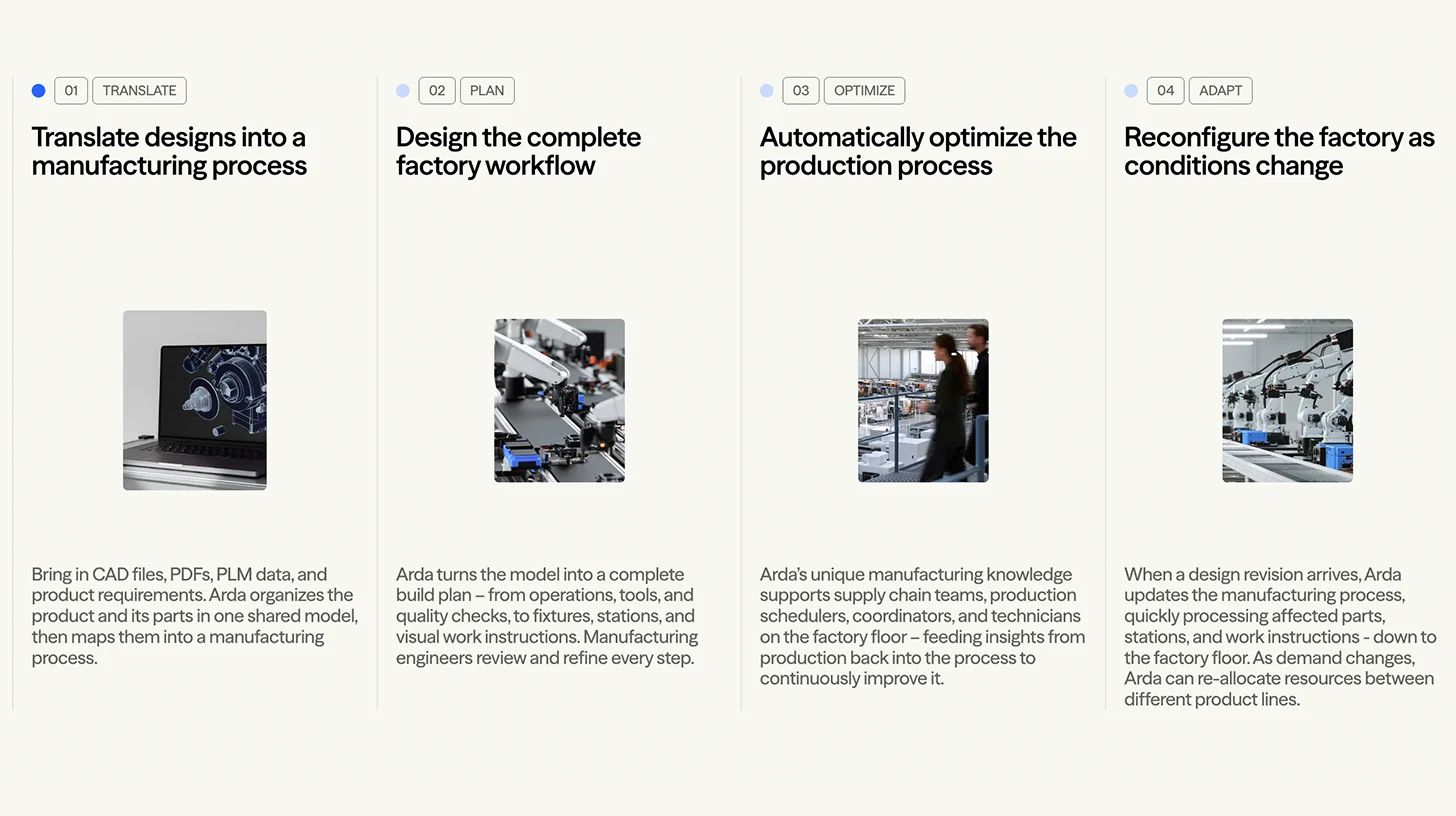
Bob McGrew's Arda launched Oct