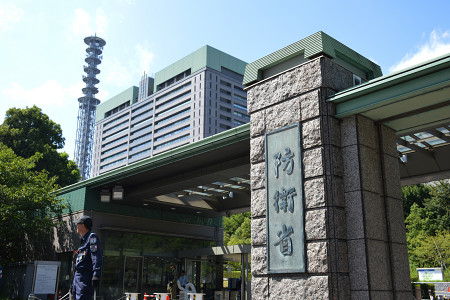
Japan's government is examining the integration of domestically produced AI into the Self-Defense Forces' command and control operations.
The policy is expected to be formally documented in three security-related documents that will be revised by year-end, marking a shift toward indigenous defense technology capabilities.
What happened
The Japanese government has begun examining the adoption of domestic AI for the Self-Defense Forces' command and control system, with plans to clarify this policy in three security-related documents to be revised by year-end.
Why it matters
Using domestically developed AI in military command infrastructure reduces reliance on foreign technology and strengthens Japan's strategic autonomy in defense operations.
What to watch
The government's formal policy statement in the revised security documents by the end of 2026, which will clarify the scope and timeline for deployment.
The Japanese government is undertaking a formal review of integrating domestic artificial intelligence into the Self-Defense Forces' command and control system. According to the announcement, the government will clarify its policy direction by year-end through revisions to three security-related documents. This initiative reflects Japan's commitment to developing and deploying indigenous technological solutions within its defense apparatus. The specific capabilities and timeline for full operational deployment have not yet been disclosed, though the government's decision to enshrine the policy in official security documents indicates a serious, institutionalized commitment to the transition.
Japan's decision to develop and deploy domestically produced AI within its military command structure reflects a broader strategy to strengthen technological sovereignty in defense. The timing of this policy announcement—to be formalized in revised security documents by year-end—suggests the government views AI-enabled command systems as central to future defense capabilities. By pursuing a homegrown solution rather than adopting foreign alternatives, Japan aims to maintain independent control over critical military infrastructure and reduce dependency on external suppliers, a consideration that has grown more urgent in global geopolitical competition.
AI-summarized, only the topics you pick — one digest a day via Email, Slack, or Discord.
Free · takes 30 seconds · unsubscribe anytime
Ask AI anything about this article. Q&As are published on this page for other readers too.
Bank of America flagged that Broadcom's chip-financing vehicle could reach $370 billion of senior debt by mid-…

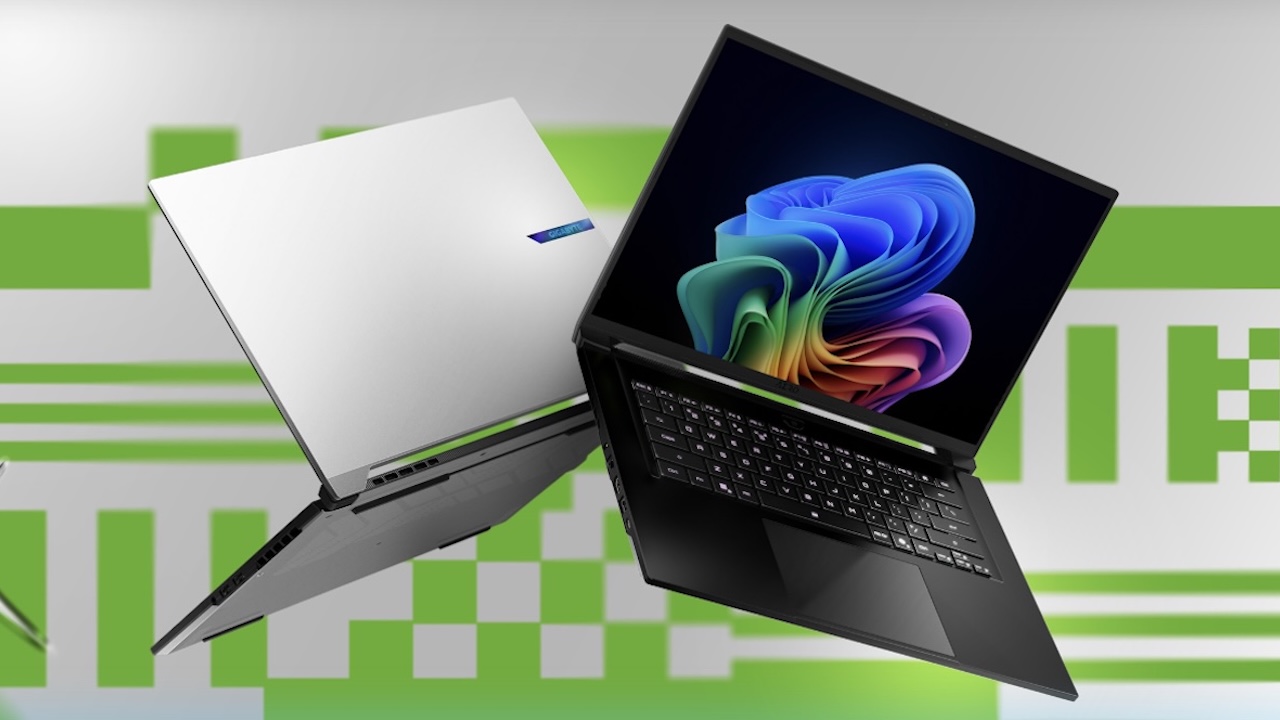
A GIGABYTE AERO X16 laptop is now priced at $1,099 on Walmart, down from $1,699.99
Nimrod Barak, who spent about nine years at Citi as managing director and head of its AI Center of Excellence…

Broadcom's stock price dropped 6% amid concerns about $370 billion in AI-related debt and its impact on the co…
Polen Capital Management highlighted GE Vernova (NYSE:GEV) as a new position in its Q2 2026 investor letter, c…

BigBear.ai, an AI software provider to U.S

The AI news that matters, in one minute each morning.
Sign up free