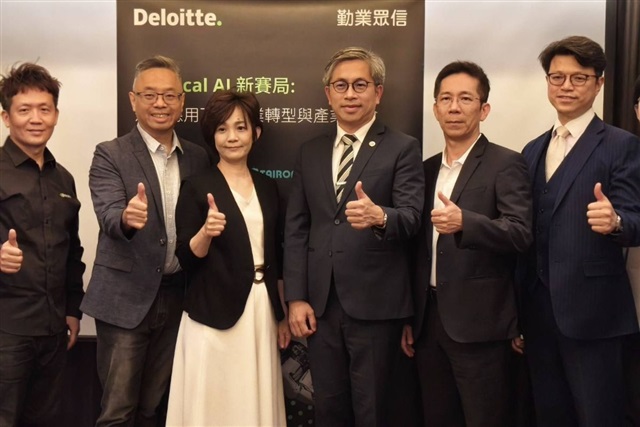
At a Deloitte Taiwan seminar in Taichung on September 15, industry and research leaders said Taiwan's next Physical AI opportunity may depend less on individual robot components than on integrating hardware, software, sensing and control into deployable industrial systems.
Summaries like this, in your inbox every morning.
For example, today's edition would include:
AI-summarized, only the topics you pick — one digest a day via Email, Slack, or Discord.
Free · 30 seconds with Google · unsubscribe anytimeWhat is AIToday? →
Ask AI anything about this article. Q&As are published on this page for other readers too.
Vertex Ventures is investing in early-stage deep tech companies building robotics, smart devices and frontier…
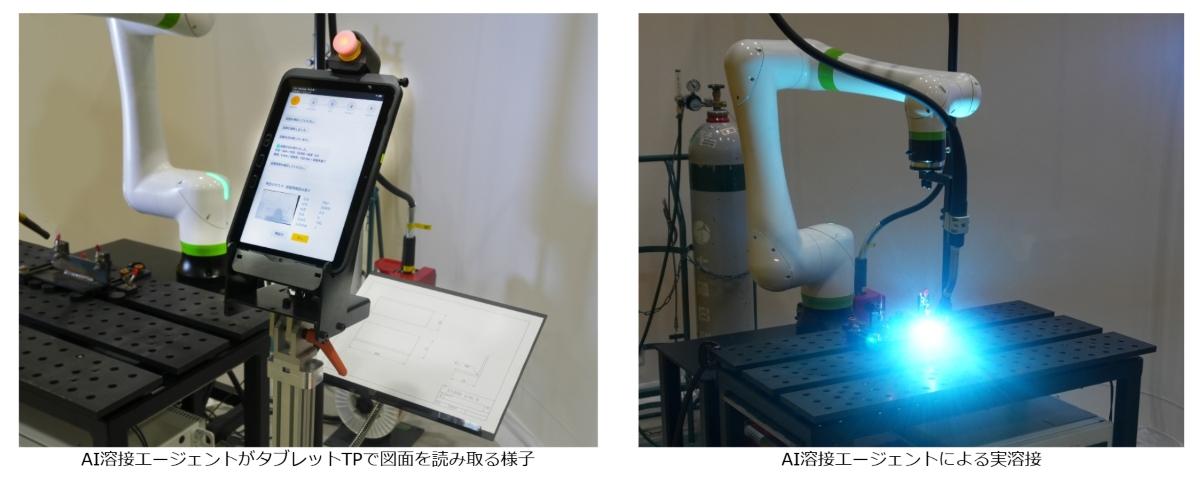
FANUC said on September 11 it developed an AI welding agent with Google Cloud's Gemini Enterprise, which reads…
VicOne highlights NeurIPS 2025's BadVLA, which caused conditional deviations in a Vision-Language-Action robot…
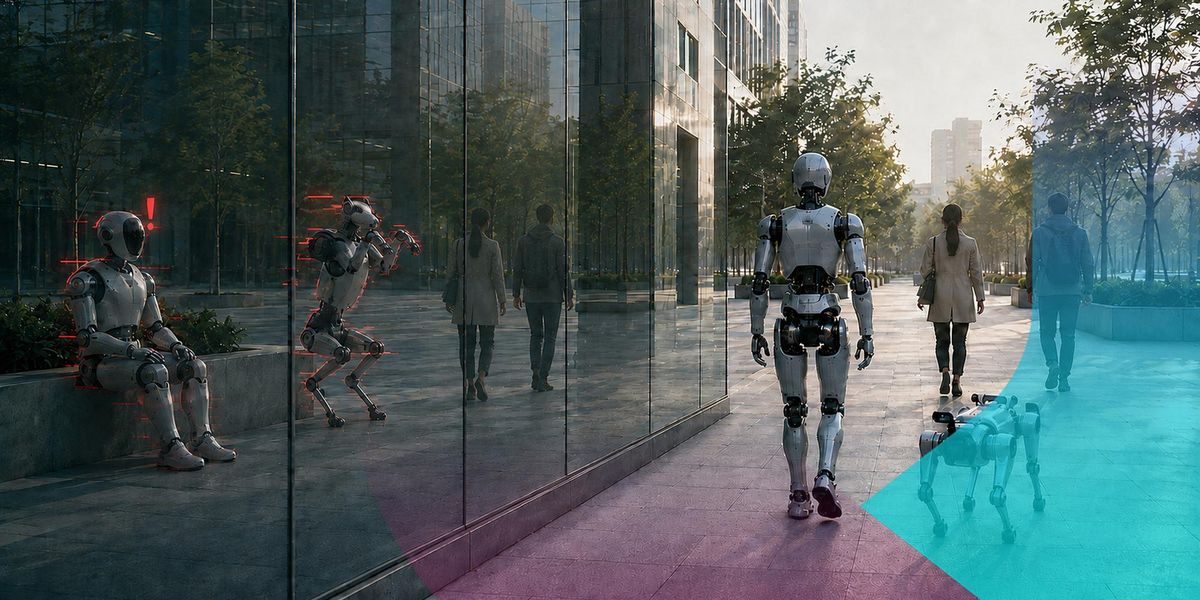
Nvidia Inception's Global Head of Physical AI, Les Karpas, will explain at TechCrunch Disrupt 2026 why general…

Flytrex introduced a rooftop docking system and AI-based fleet positioning in Dallas-Fort Worth and more than…

AIVE AI Systems demoed Atlas GEO Cloud and Atlas GEO QGIS at INTERGEO 2026 in Munich — tools that build georef…