What happened
Inscribe built an AI system using Amazon Bedrock that detects tampered, fabricated, and AI-generated financial documents in under 90 seconds—a 20x improvement over traditional manual review, which takes 30 minutes per application.
Why it matters
Financial institutions processing thousands of loan and credit applications daily face fraud in 1 of every 16 documents, with AI-generated forgeries growing 5x from April to December 2025. Manual review cannot keep pace with volume or detect sophisticated deepfakes and coordinated fraud rings, leaving institutions exposed to millions in losses and regulatory risk.
What to watch
Inscribe uses multiple models from Amazon Bedrock matched to specific tasks—Claude Haiku 4.5 for routine document parsing (40% cost reduction vs. Claude Sonnet), Meta Llama models for transaction analysis, and Claude Sonnet 4 and 4.5 for cross-document fraud pattern detection and audit-ready reporting.
Summaries like this, in your inbox every morning.
Pick your industry and the AI tools you use, and get news related to your work every day.
Free · 30 seconds with Google · unsubscribe anytimeWhat is AIToday? →
Ask AI anything about this article. The AI reads this article, earlier AIToday articles, and Wikipedia, and cites its sources. Q&As are published on this page for other readers too.
Amazon introduced Bee Frontier, a wearable personal AI, for $74.99 in Onyx, Lavender and Sage, and Bee Eclipse…

Citi has become the latest US bank to restrict AI agents from accessing accounts, per the Financial Times

Dell says its AI Data Platform uses a four-engine architecture and a Unified Semantic Layer to connect siloed…
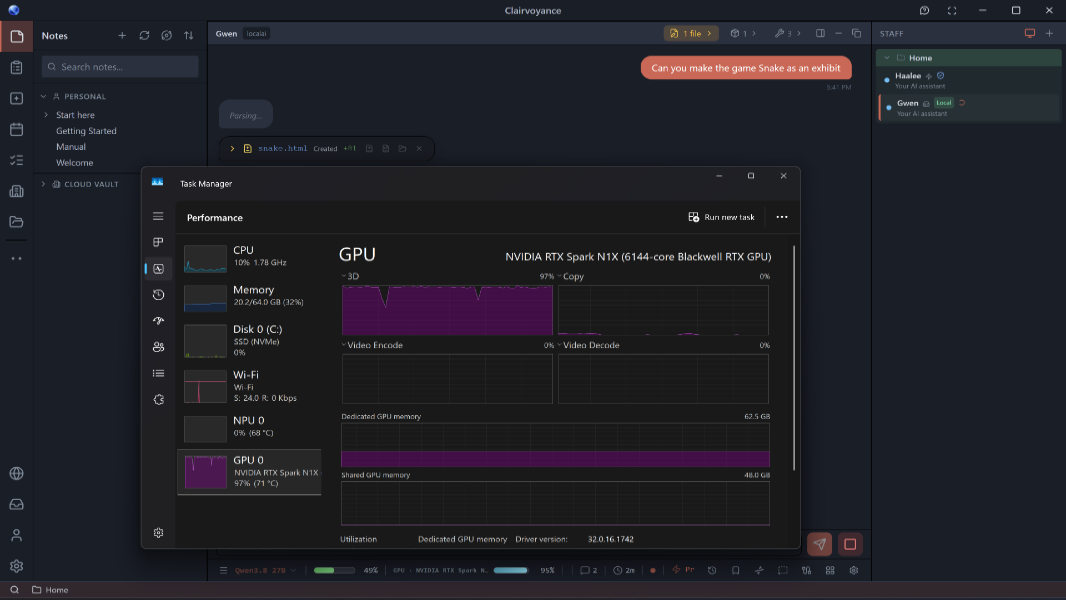
Microsoft and Nvidia are promoting RTX Spark, a new class of Windows PCs for local AI, with a top configuratio…
Microsoft AI CEO Mustafa Suleyman told employees that MAI-Base-2, announced Thursday, is a stronger pre-traine…
Humans First released an "America First AI Policy" platform on Friday, proposing tighter export controls on Ch…