What happened
AT&T has nearly 500 agentic AI workflows in production, handles over 1 million transactions monthly, and processes about 45 billion AI tokens daily, per Luke Corbin.
Why it matters
AT&T says production AI investments are achieving fivefold returns within a year, and it has halved provisioning time for dedicated internet connections where fiber is already installed.
WHO IT HITSEnterprise IT and operations teams at large, legacy-heavy companies are the clearest audience: AT&T's account shows how agentic automation can cut manual handoffs in mainframe and provisioning work, though customer-facing workflows still require security and compliance review.
Summaries like this, every morning.
AT&T's push into agentic AI builds on a practical problem: as a 151-year-old company that has been using computers since they were invented, it carries a heavy load of legacy processes and applications. Corbin frames the cost of maintaining those applications, training employees and ongoing maintenance as very high, and says simpler generative workflows can offset some of that, creating a business case that is built for itself. The company's approach differs from building many independent, specialized agents. Instead, it keeps a relatively small set of agents that execute workflows using centrally managed business logic stored in context or in memory, with retrieval agents identifying applicable knowledge and planning agents determining the actions, tools and data needed.
Governance is a central part of the design. Employees can create personal productivity agents independently, but workflows that affect customers must pass through the Business Agent Foundry and undergo security, privacy and compliance reviews. Corbin said AT&T has democratized agents for personal productivity but not to the point where they drive business workflows that could touch customers or materially affect the business. Early initiatives show where this lands in practice: automating interactions with mainframe computers for customer fiber installation orders, and halving the time to provision dedicated internet connections in buildings where fiber is already installed.
Scaling further requires more than models. AT&T has had to consolidate fragmented data and provide reliable connectivity across data centers, cloud infrastructure and mobile workers, a challenge Corbin links to the company's history of mergers and acquisitions. Encouraging employees to propose agent use cases has helped limit resistance from those who worry AI could replace them, as has the chance to replace inefficient processes. Corbin said AT&T is now shifting focus from improving existing processes toward using agents to launch services, enter markets and support new sales channels, and he expects responsibility for AI-driven transformation to eventually be distributed throughout the organization rather than concentrated in his team.
Pick your industry and the AI tools you use, and get news related to your work every day.
Free · 30 seconds with Google · unsubscribe anytimeWhat is AIToday? →
Ask AI anything about this article. The AI reads this article, earlier AIToday articles, and Wikipedia, and cites its sources. Q&As are published on this page for other readers too.
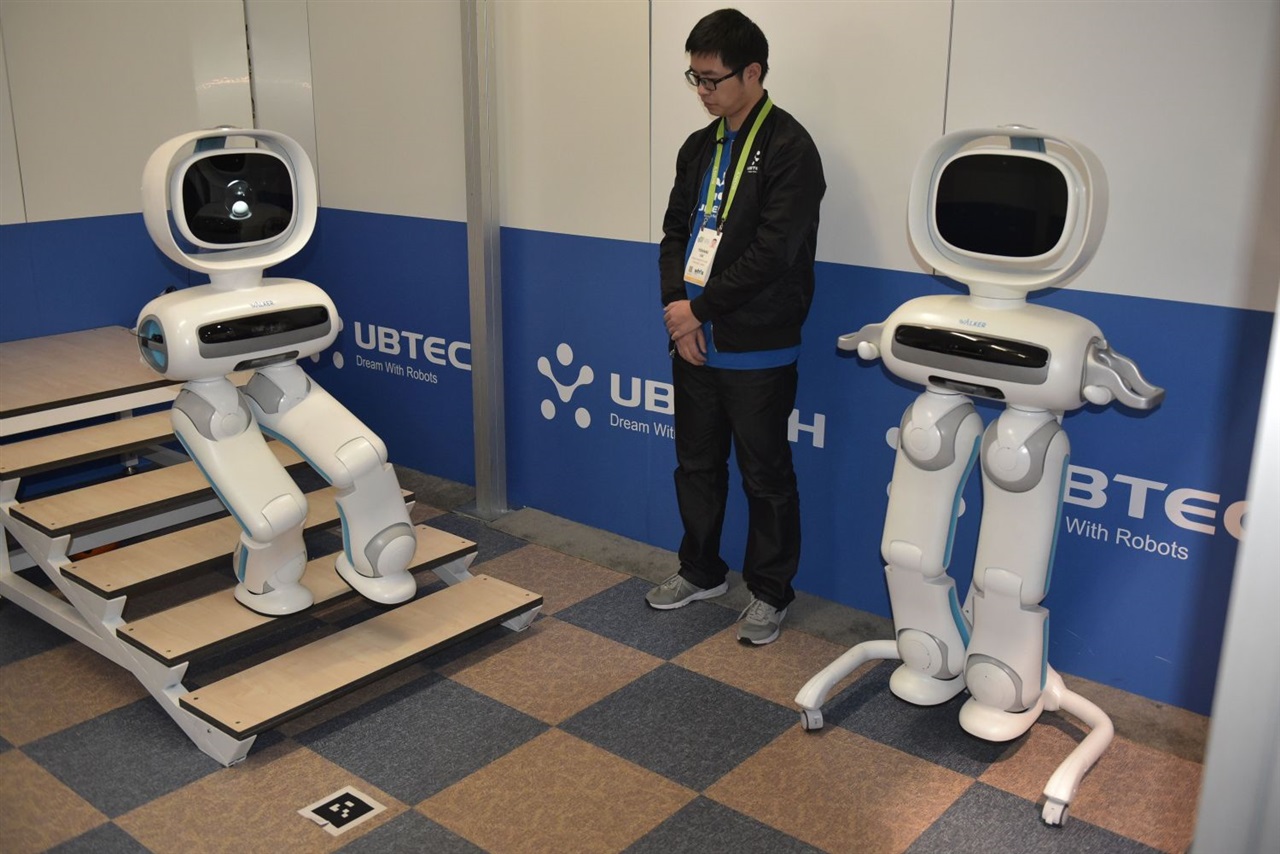
Xilect, a robot-chip venture set up by GPU designer MetaX and humanoid robot maker UBTech Robotics, completed…
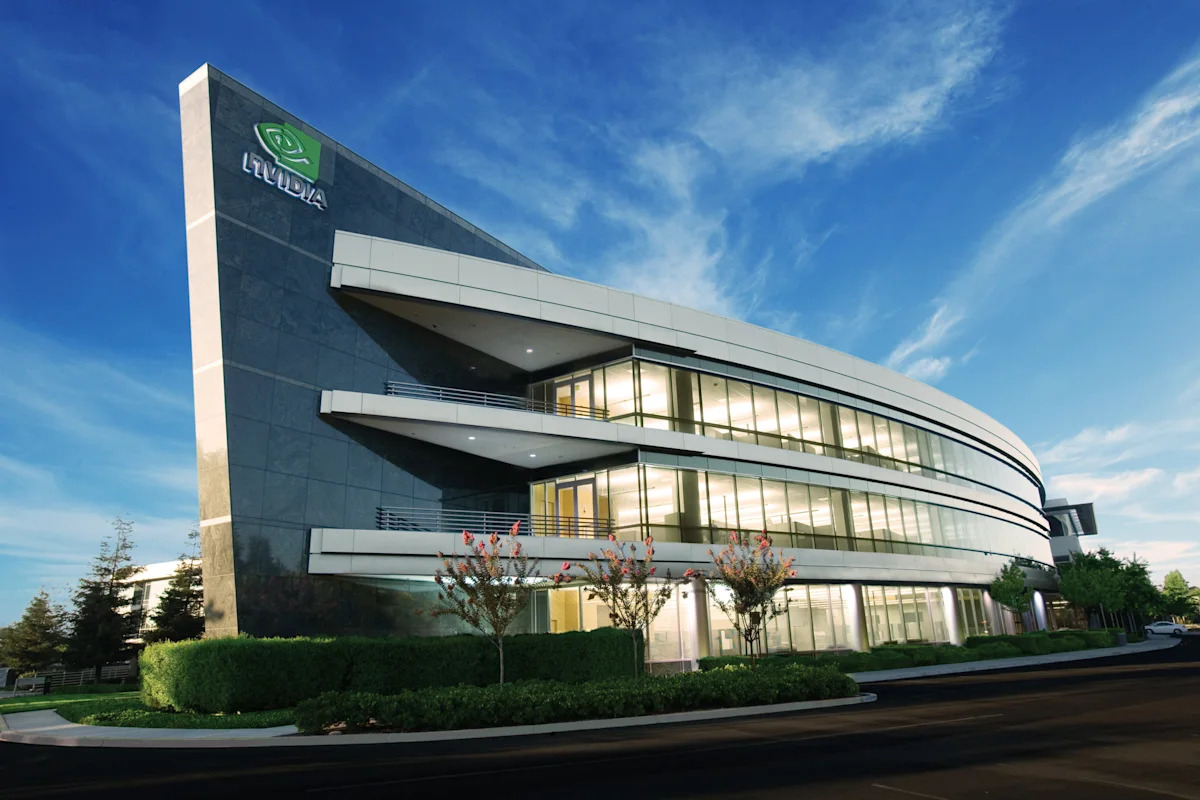
NVIDIA Corporation (NASDAQ:NVDA) placed 10th on a list of AI infrastructure stocks to watch after CoreWeave's…
The Motley Fool's analyst chose Astera Labs over Arm for 2027, citing revenue growth of approximately 115.2% t…
At a JPMorgan Chase investor event, Anthropic CEO Dario Amodei said compute is "the deepest business dilemma"…

Anthropic has hired 33 employees for counterintelligence functions so far this year, up from 14 last year and…

Dell Technologies and the University of Alabama announced a high performance computing center for statewide re…